


Adhesive-Backed Magnets: Design, Tape Selection and Quotation
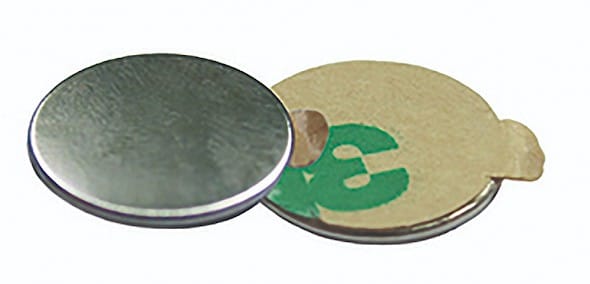
An adhesive-backed magnet combines a permanent magnet with pressure-sensitive tape on one face. It can be mounted to a nonmagnetic surface while leaving the magnetic face available to hold a mating part. The magnet, coating, tape and mounting surface all affect performance; magnetic pull force alone does not describe the strength of the adhesive joint.
For a custom quotation, send us the magnet dimensions, material or required holding force, mounting surface, operating temperature, quantity and a drawing if available. Tell us if you need matched north/south pairs. We will review the construction and confirm the available tape, minimum order quantity and lead time in the quotation.
Table of Contents
What Are 3M Adhesive-Backed Magnets?
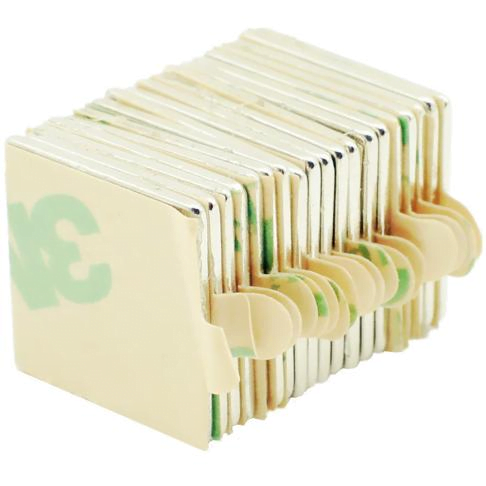
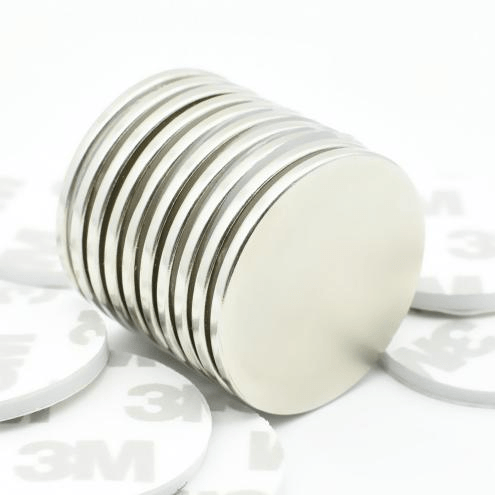
An adhesive-backed magnet is a magnet with pressure-sensitive tape applied to one face. The liner is removed when the part is mounted to a suitable surface. The exposed magnetic face can then attract a steel component or another magnet, depending on the design.
The tape joint and magnetic interface must be assessed separately. A strong magnet does not compensate for unsuitable tape, a poorly prepared mounting surface or peel loading. If you require a specific 3M tape, provide its grade so the exact product can be reviewed.
What to Specify for a Custom Quote
Adhesive-backed magnets combine a magnet with pressure-sensitive tape on one face. The magnet and tape are separate parts of the joint: a magnetic pull-force value does not predict how well the tape will hold on your mounting surface.
For a custom quotation, share the details below. We can then review a suitable construction and confirm the exact tape manufacturer and grade where applicable.
| Design input | Why it matters |
|---|---|
| Drawing, magnet shape and dimensions | Sets the available bonding area and the required magnetic fit. |
| Magnet material and coating | The tape must bond to the actual coated surface, not bare magnetic material. |
| Mounting substrate and surface finish | Adhesion can differ on painted metal, plastic, glass and textured surfaces. |
| Load direction and expected holding force | Shear, peel and vibration put different demands on the joint. |
| Operating temperature and environment | Tape selection depends on the grade and exposure to heat, moisture or chemicals. |
| Quantity and required polarity | Tell us whether matched north/south pairs are needed. |
There is no single size, temperature limit or installation method that applies to every adhesive-backed magnet. Check the data sheet for the specified tape and test the finished assembly on the actual mounting surface before approving it for production. For surface preparation and pressure guidance, see 3M’s tape application guide.
Versatile Applications Across Industries
3M adhesive-backed magnets have found applications in a multitude of industries thanks to their flexibility and ease of use. Let’s explore some of the key sectors that benefit from these innovative products.
1. Industrial Applications
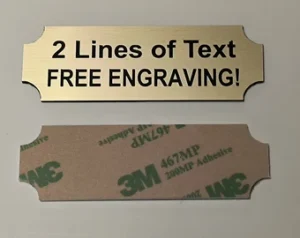 For machinery labels and removable holders, check both interfaces: the tape bond to the label or fixture and the magnetic contact with the steel panel. A published magnetic pull force does not describe the tape bond.
- Equipment labels: Specify label weight, steel thickness, temperature and any vibration. A safety or warning label needs separate retention validation.
- Tool organization: Match the holder to the tool weight, load direction and mounting surface; test the complete assembly before use.
2. Retail and Commercial Displays
Retail environments thrive on visual appeal and flexibility. 3M adhesive-backed magnets play a significant role in creating dynamic displays:
- Promotional Signage: Retailers use magnetic strips and discs with adhesive to create changeable product displays. This flexibility allows for quick updates and seasonal promotions.
- Visual Merchandising: The sleek design of 3M adhesive magnet tape and 3M sticky magnets ensures that displays look clean and professional without unsightly hardware.
3. Office and Educational Settings
For office or classroom displays, distinguish the reusable magnetic connection from the adhesive bond that remains on the mounting surface.
- Whiteboards and panels: Confirm that the magnetic side has a suitable steel surface and that the tape suits the coated board or fixture.
- Reconfigurable displays: A display may be moved at the magnetic interface. Removing the adhesive-backed mount can damage the tape or finish, so test removal on the actual surface.
4. Creative and DIY Projects
For artists and hobbyists, 3M adhesive-backed magnets open up a world of creative possibilities:
- Interactive Installations: Art installations and exhibits often incorporate magnets to allow for modular designs that can be rearranged as needed.
- Home Organization: DIY enthusiasts use magnetic strips and discs to organize household items such as tools, recipes, and photos, blending functionality with style.
5. Validation for Demanding Environments
For assemblies exposed to vibration, repeated handling or elevated temperature, evaluate both the magnetic connection and the adhesive joint. Request the data sheet for the exact tape grade and test the bonded magnet on the intended surface.
Any automotive, aircraft or safety-critical application needs the buyer’s own qualification and approval. This page does not establish suitability for those uses.
6. Custom Solutions and Branding
Businesses looking for bespoke solutions often turn to 3M adhesive-backed magnets for their customizability:
- Promotional Items: Custom-shaped magnets can be used as unique branding tools on products, packaging, or at events.
- Corporate Signage: Companies incorporate these magnets into office decor and signage, reinforcing brand identity in a modern, understated manner.
Installation and Best Practices

Installation depends on the specified tape grade and the actual substrate. Use the tape manufacturer’s instructions for preparation, application pressure and time before loading; test the bonded magnet in its final orientation and environment.
Surface Preparation
- Clean and Dry: Always clean the surface thoroughly to remove dust, oil, and moisture. A clean surface allows the adhesive to bond more effectively.
- Smooth Surface: For maximum adhesion, choose smooth, non-porous surfaces. In cases where the surface is rough, a primer or additional cleaning agent may be necessary.
Application Process
- Check the tape grade: Follow the application instructions and data sheet for the exact tape specified in your quotation. Surface preparation, pressure and time before loading vary by product and substrate.
- Prepare the real mounting surface: Make sure it is clean, dry and compatible with the chosen adhesive. Evaluate paint, texture and any release agents on the production part.
- Validate the assembled joint: Test the magnet on the actual substrate under expected load direction, temperature and environment before releasing the design.
Environmental Considerations
- Temperature: Check the limits of both the magnet material and the specified tape. No single temperature rating applies to every adhesive-backed magnet.
- Moisture and chemicals: Ask for the tape data sheet and assess the coated magnet and adhesive together. Test the assembled joint if it will be used outdoors, cleaned with chemicals or exposed to condensation.
Maintenance and Care
- Keep the magnetic contact clean: Remove debris that could increase the gap or scratch the mating surface. Cleaning the visible face does not restore a failed tape bond.
- Inspect the joint: Check for peeling, movement, corrosion or a changed load after repeated use. Follow the tape maker’s inspection and replacement guidance for the selected grade.
For a load-bearing or frequently handled fixture, set inspection and replacement criteria during the buyer’s application validation. Routine care alone cannot guarantee service life.
Detailed FAQ Section
What should I send for a quotation?
Send a drawing, magnet dimensions and material if known, the mounting surface, expected load direction, operating environment, quantity and whether you need matched north/south pairs.
Is every adhesive-backed magnet made with the same 3M tape?
No. Ask us to confirm the exact tape manufacturer and grade for the proposed construction. If your specification requires a particular 3M tape, include its part number or data sheet with your inquiry.
Does a magnet pull-force rating tell me how much the adhesive joint will hold?
No. Magnetic attraction and tape adhesion are different measurements. Joint performance also depends on surface preparation, bond area, peel or shear loading and the environment.
Can I use the assembly outdoors or at elevated temperature?
That depends on the selected magnet, coating, tape and substrate. State the full temperature range and exposure conditions so the proposal can be checked against the relevant data sheets.
How should the tape be installed, and when can the joint be loaded?
Follow the instructions for the exact tape grade. Pressure, application temperature and time to develop bond strength vary; there is no universal 30-second or 24-hour rule for all products.
Can I reposition or reuse it?
Removing a bonded magnet can damage the tape or mounting surface. Plan the placement and test any rework process on the actual parts.
Application examples
Industrial equipment labels
An adhesive-backed magnet can hold a removable label or nameplate against a steel panel. For equipment exposed to vibration, verify both the magnetic holding force and the adhesive bond to the label substrate under the actual loads and temperature.
Retail displays
For a changeable retail display, an adhesive-backed magnet can be mounted to a sign or fixture and paired with a steel plate or another magnet. Check alignment, surface preparation and the expected removal force before production.
Creative displays
Adhesive-backed magnets can make lightweight display elements repositionable. Prototype the assembly first: the backing tape is generally intended to stay on its mounting surface, even when the magnetic connection is repeatedly opened.
Advantages of 3M Adhesive-Backed Magnets
An adhesive-backed magnet can simplify assembly where drilling is undesirable and the substrate is suitable for a pressure-sensitive tape. The magnetic face can then be used for a removable mating part.
The benefits depend on the specific construction. Confirm the tape grade, coated magnet, bond area and operating conditions before relying on the joint. We recommend testing the finished assembly on the actual mounting surface.
Conclusion
An adhesive-backed magnet is a small assembly with two separate interfaces to evaluate: magnetic attraction at the mating face and adhesion at the mounting face. The right choice depends on the drawing, substrate, load and operating environment.
Send us your magnet dimensions, coating or material requirement, mounting surface, expected load, temperature range and quantity. If the project specifies 3M tape, include its grade or data sheet. We will review the requirements and identify what can be confirmed in a quotation.