46e4b6d9-3862-4652-a5a2-4dc8c5f0146b

Micro Magnets

high-precision-micro-tiny-magnets

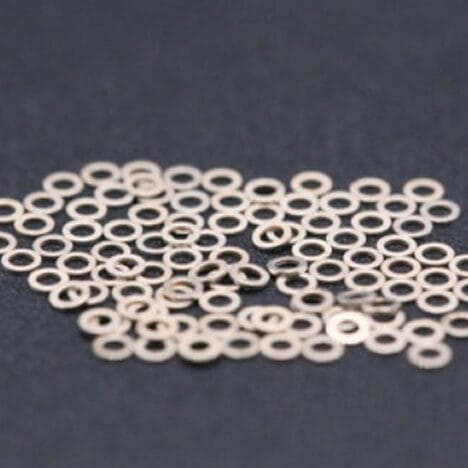
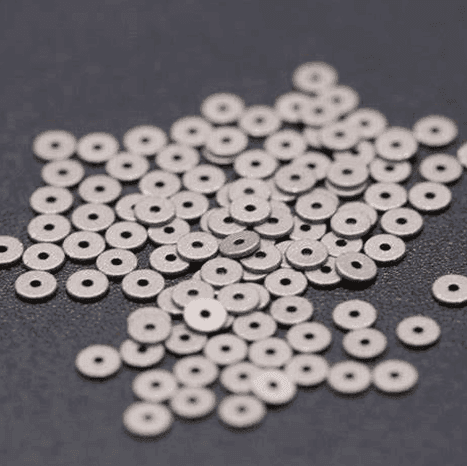
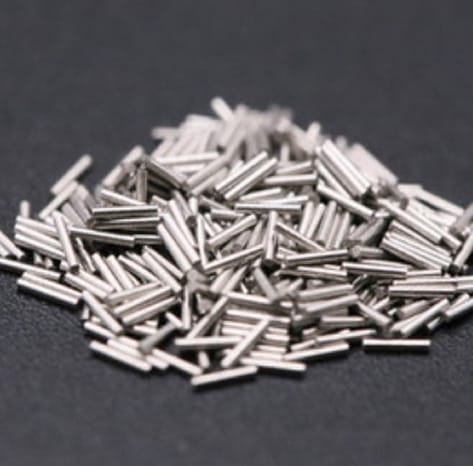
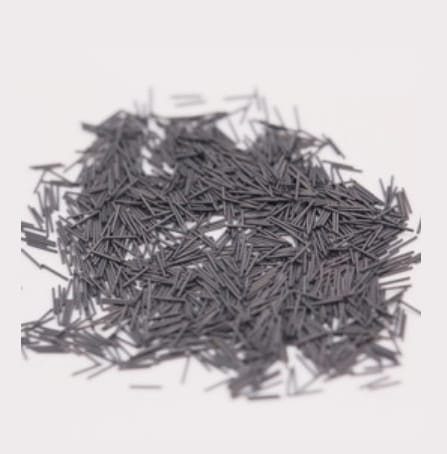
Micro magnets are small permanent magnets used where space is limited and the magnetic field must be controlled at a defined position. Magnetstek reviews custom NdFeB and SmCo micro magnet requests against the finished geometry, operating conditions and inspection requirements.

For a useful quotation, send a drawing with dimensions and tolerances, material or grade if known, magnetization direction, coating, operating temperature and required quantity. For a sensor application, include the working gap and target field at the sensing position; surface gauss alone may not describe the assembled result.

Send your drawing for review. Feasibility, minimum order and lead time are confirmed for each specification.

Description

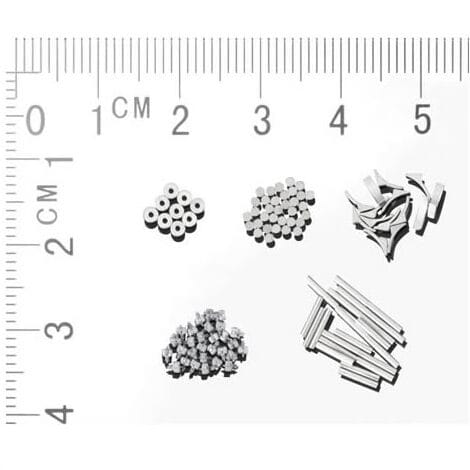
At micro scale, a workable drawing needs more than an overall diameter. Specify finished dimensions after any coating, a tolerance scheme, edge condition and magnetization direction. For a ring magnet, include inner diameter and wall thickness; for a disc, include thickness and the active face.

Coating thickness, handling and inspection can affect feasibility. State whether the parts require polarity identification, inspection records or packaging for automated assembly.

We review each request individually. Available materials, achievable tolerances, coating, sample quantity, minimum order and lead time are confirmed in the quotation. Request a micro magnet review.

Custom Micro Magnets Considerations

tiny_magnets2
  • Material: NdFeB and SmCo are common starting points. Selection depends on the field requirement, temperature, environment and available space.
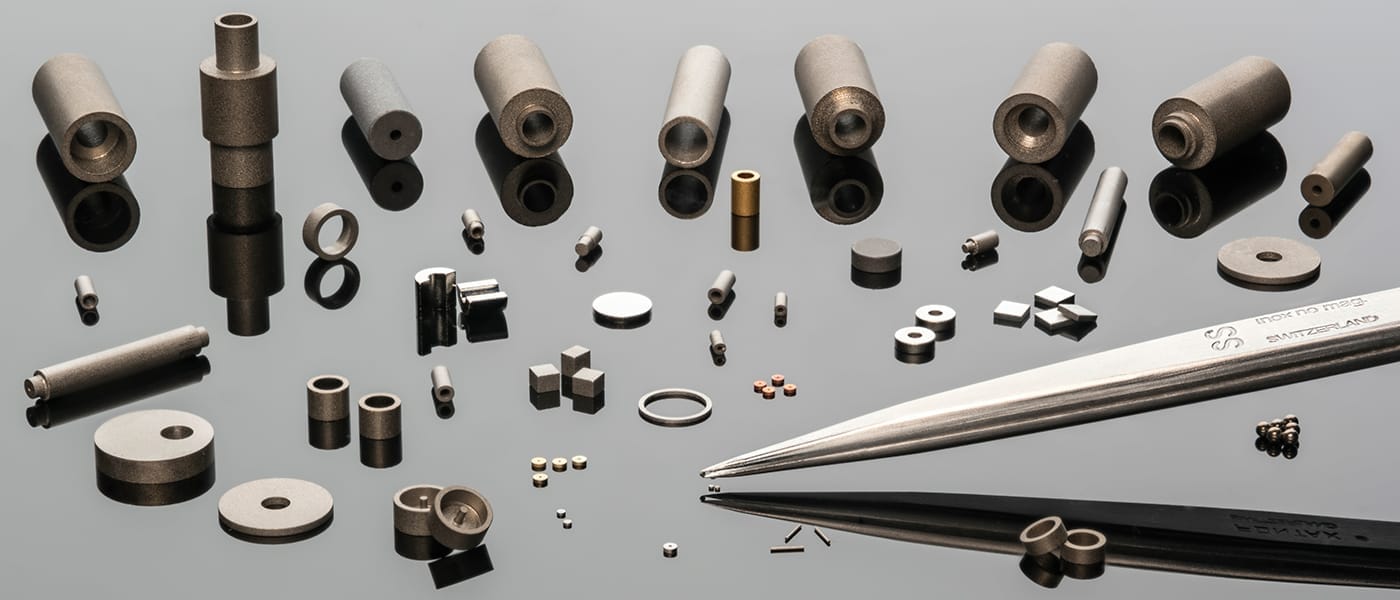
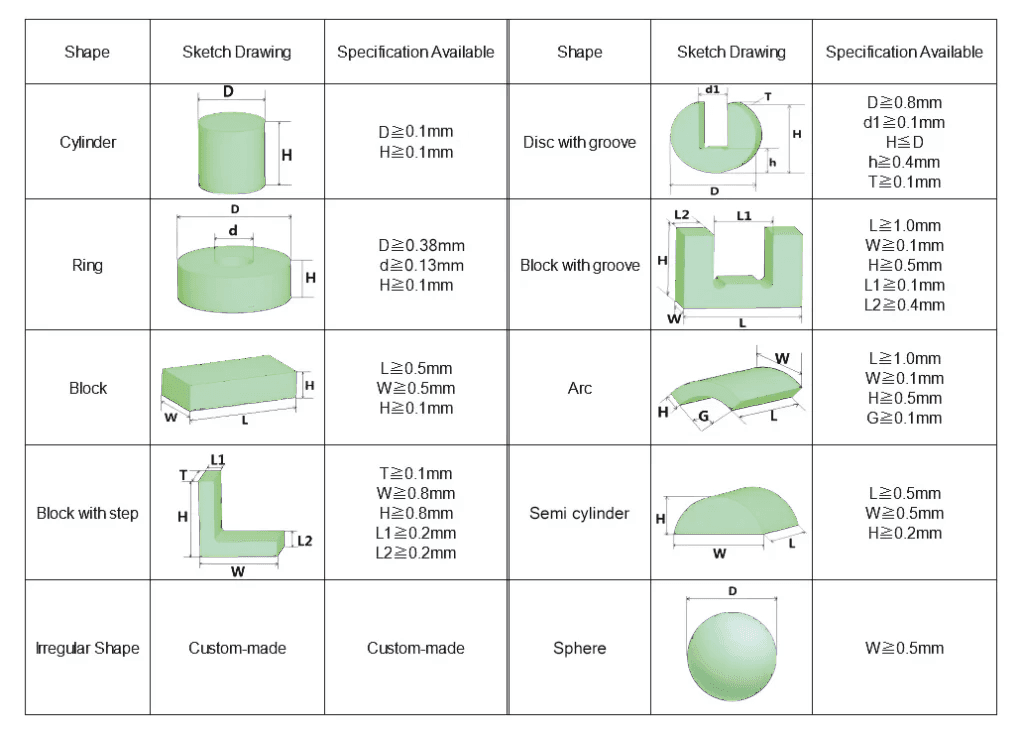
  • Geometry: State the finished shape and every critical dimension. Disc, ring, cylinder and block designs have different handling and inspection challenges at small scale.
  • Magnetization: Mark the pole faces or direction on the drawing. A sensor design should also specify the working gap and field requirement.
  • Coating: Specify the environment and any coating requirement. Confirm dimensions after coating and whether exposed edges are acceptable.
  • Validation: Identify critical tolerances, inspection method and any first article documentation needed before production.

For a fuller checklist, see our custom magnet drawing and RFQ guide.

Micro Magnets Applications

Micro magnets are considered for compact sensors, miniature motors, optical instruments and other assemblies with tight space constraints. The useful specification depends on what the magnet must do in the assembled device.

Sensor assemblies: Define the field at the sensor, working gap, orientation and allowable variation. Our sensor magnet guide explains why a surface measurement alone is insufficient.

Miniature motors and actuators: Provide the rotor or stator geometry, magnetization pattern, operating temperature and assembly clearances. Include the drawing for any housing or adhesive interface.

Precision assemblies: Identify the datum surfaces, finish, edge condition and inspection points that affect placement. Our first article checklist covers checks before repeat production.

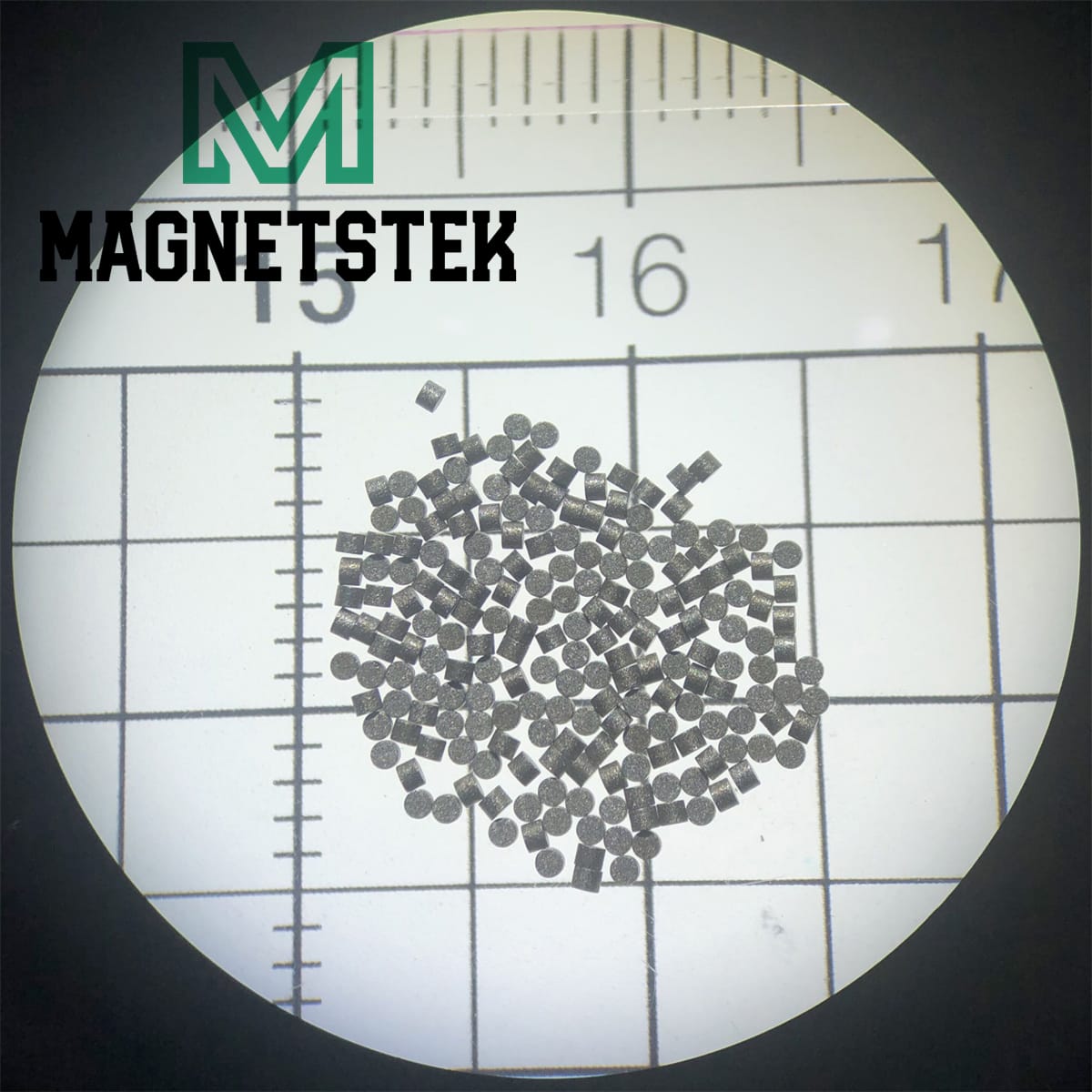
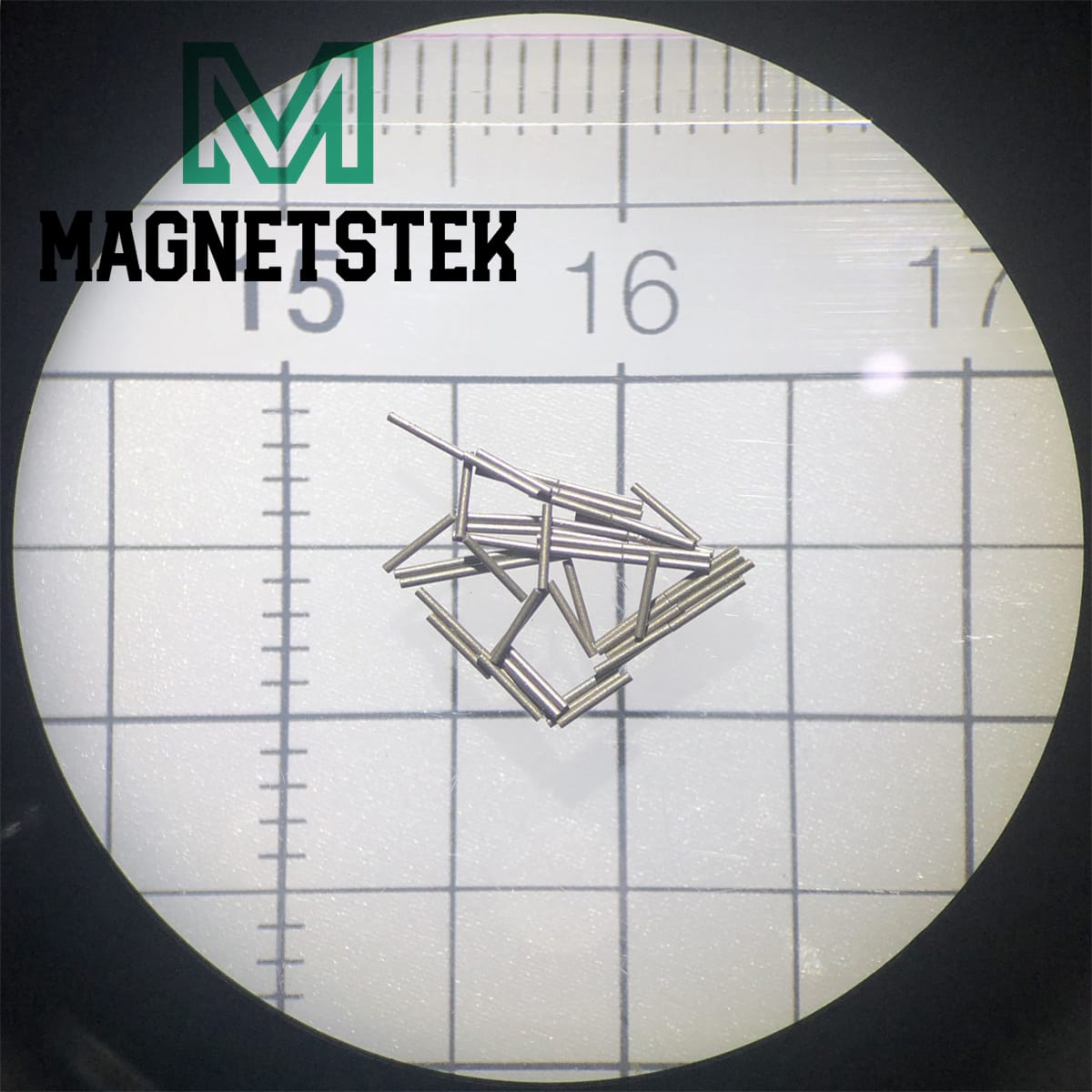
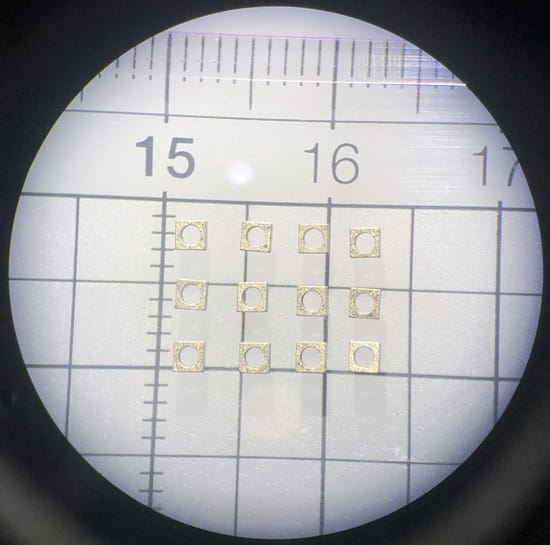
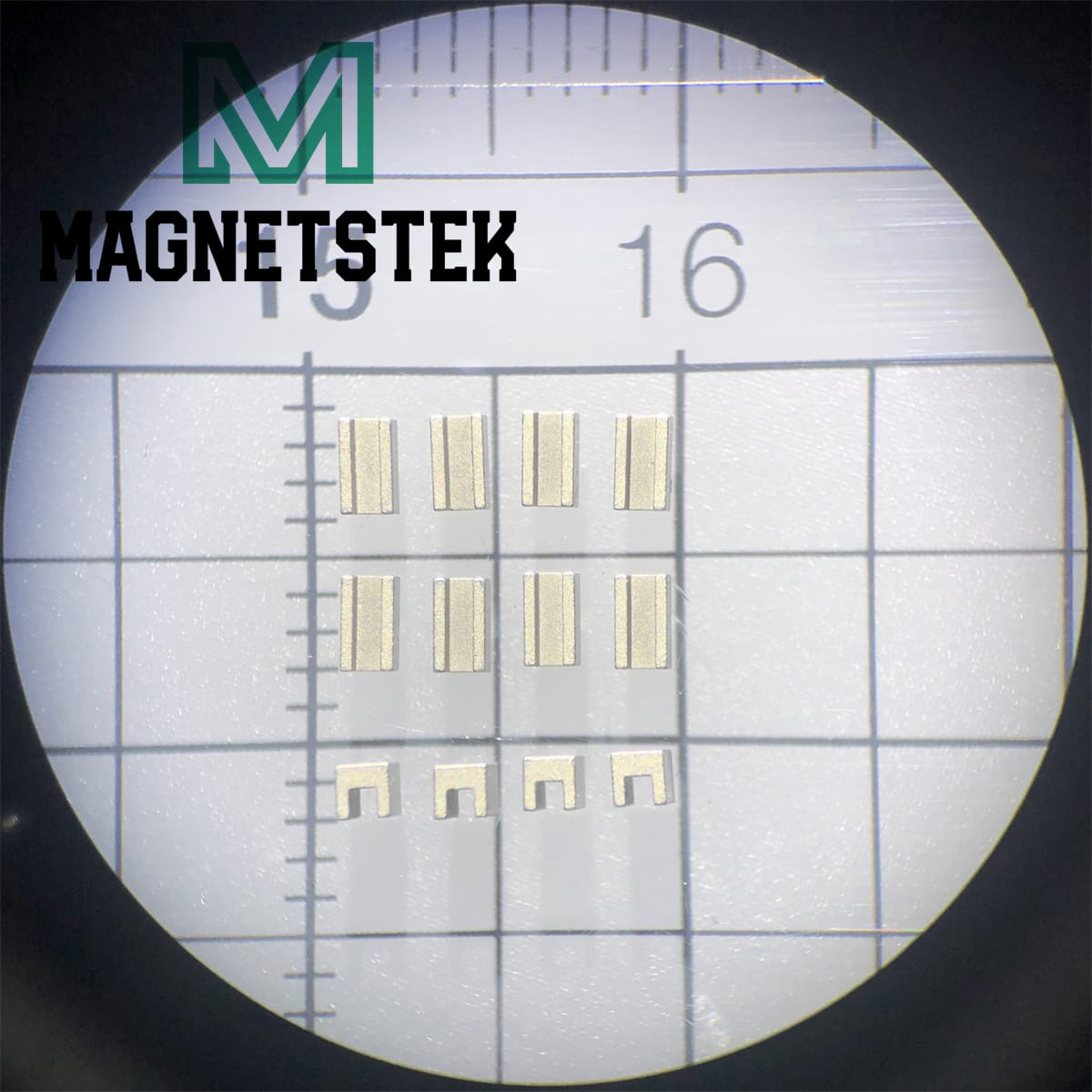
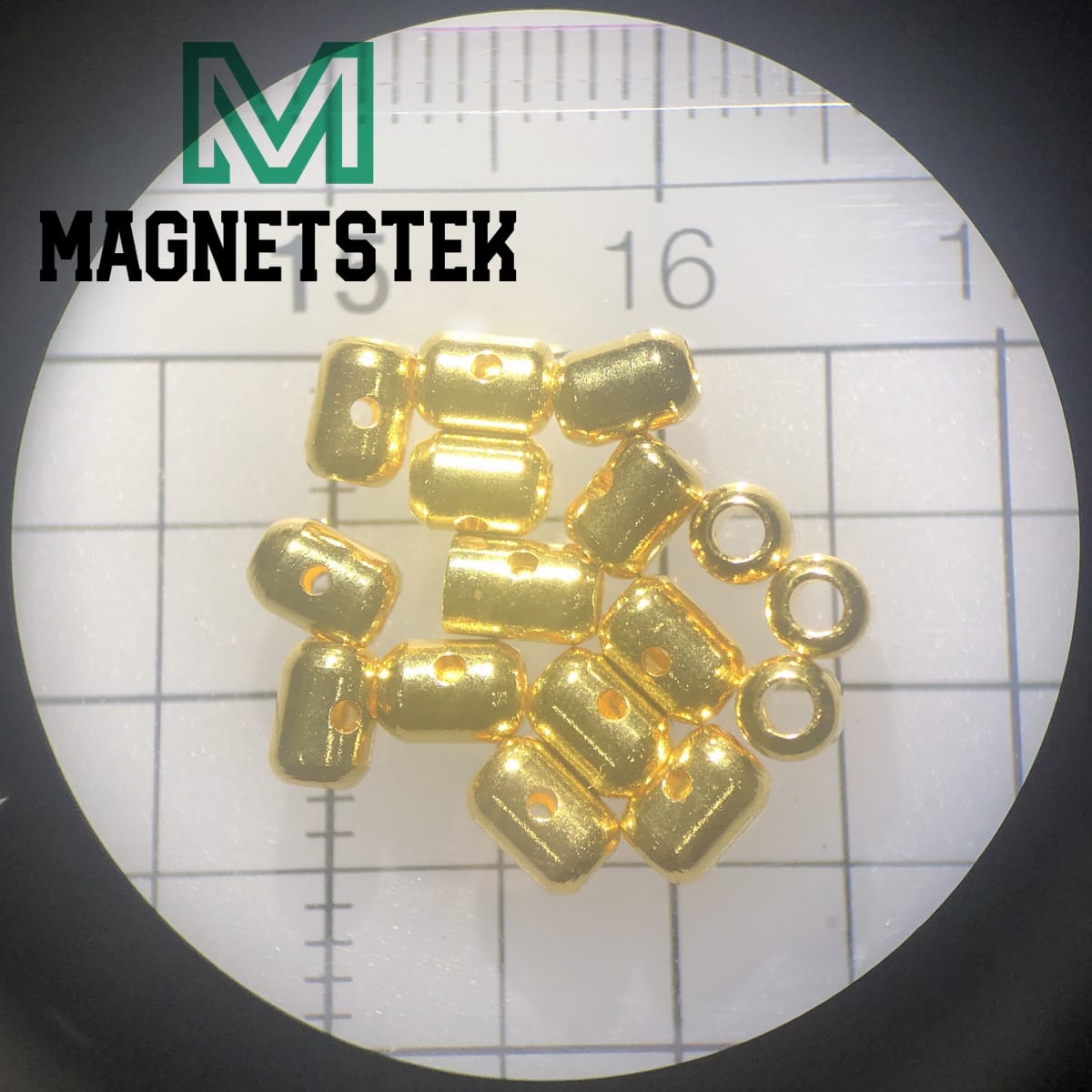
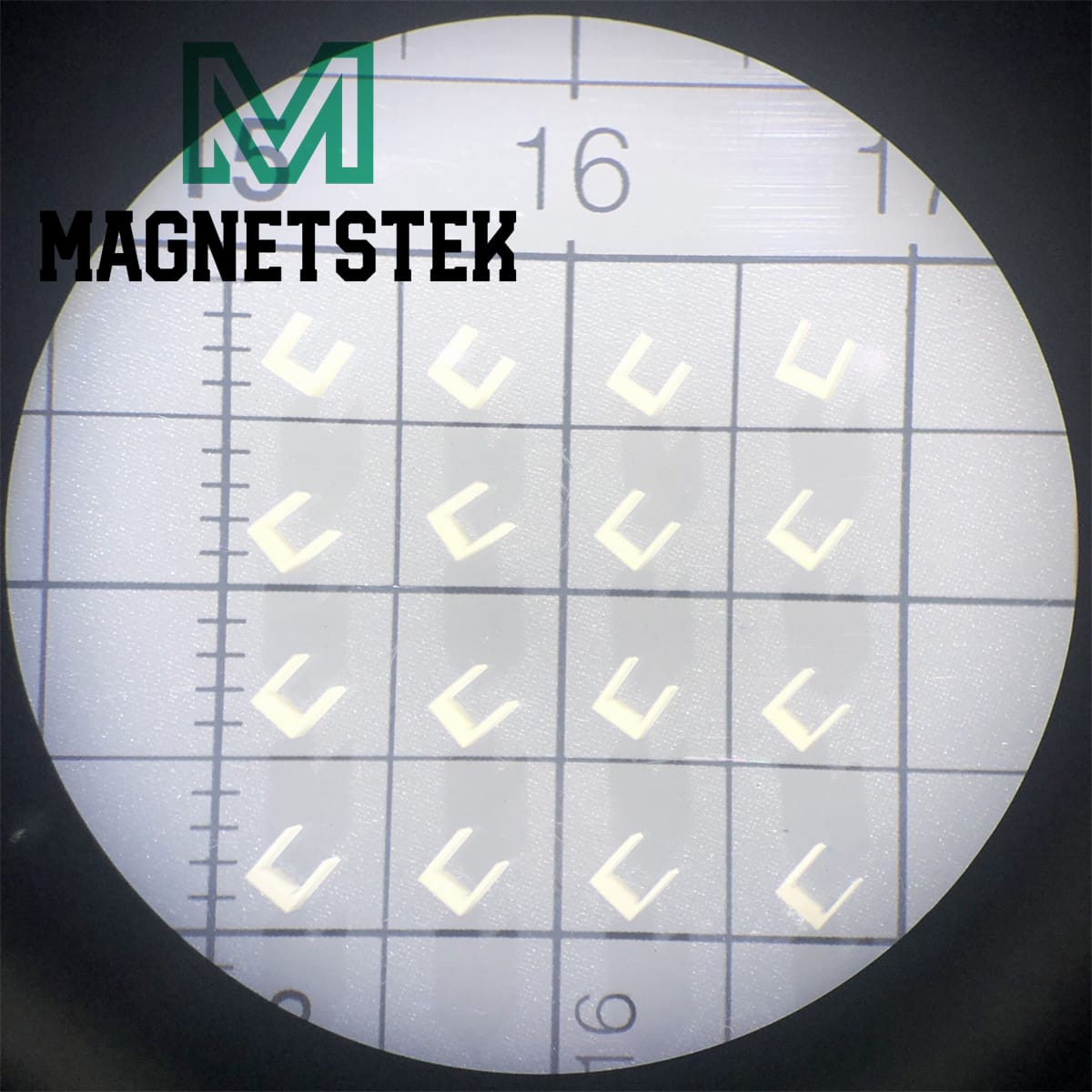
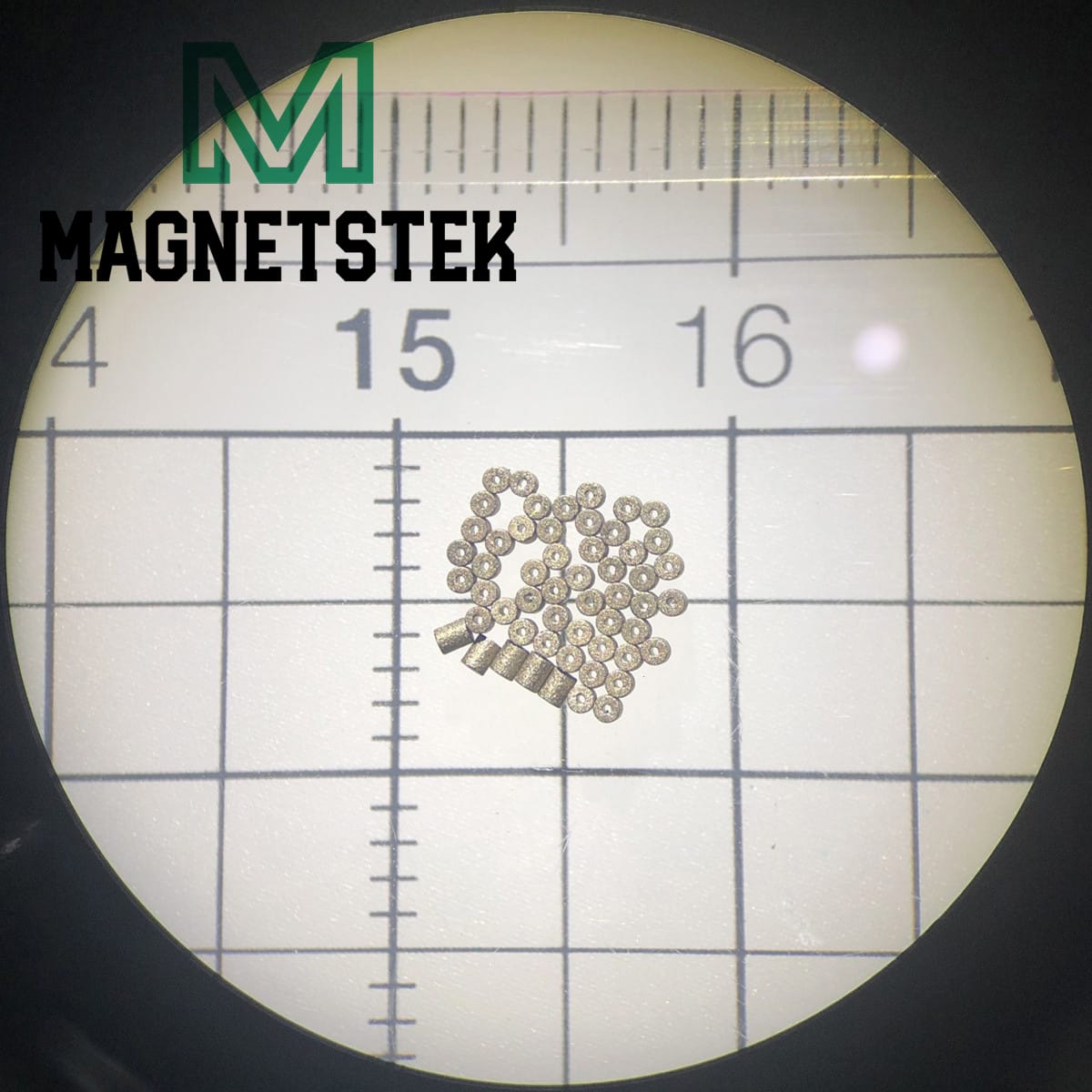
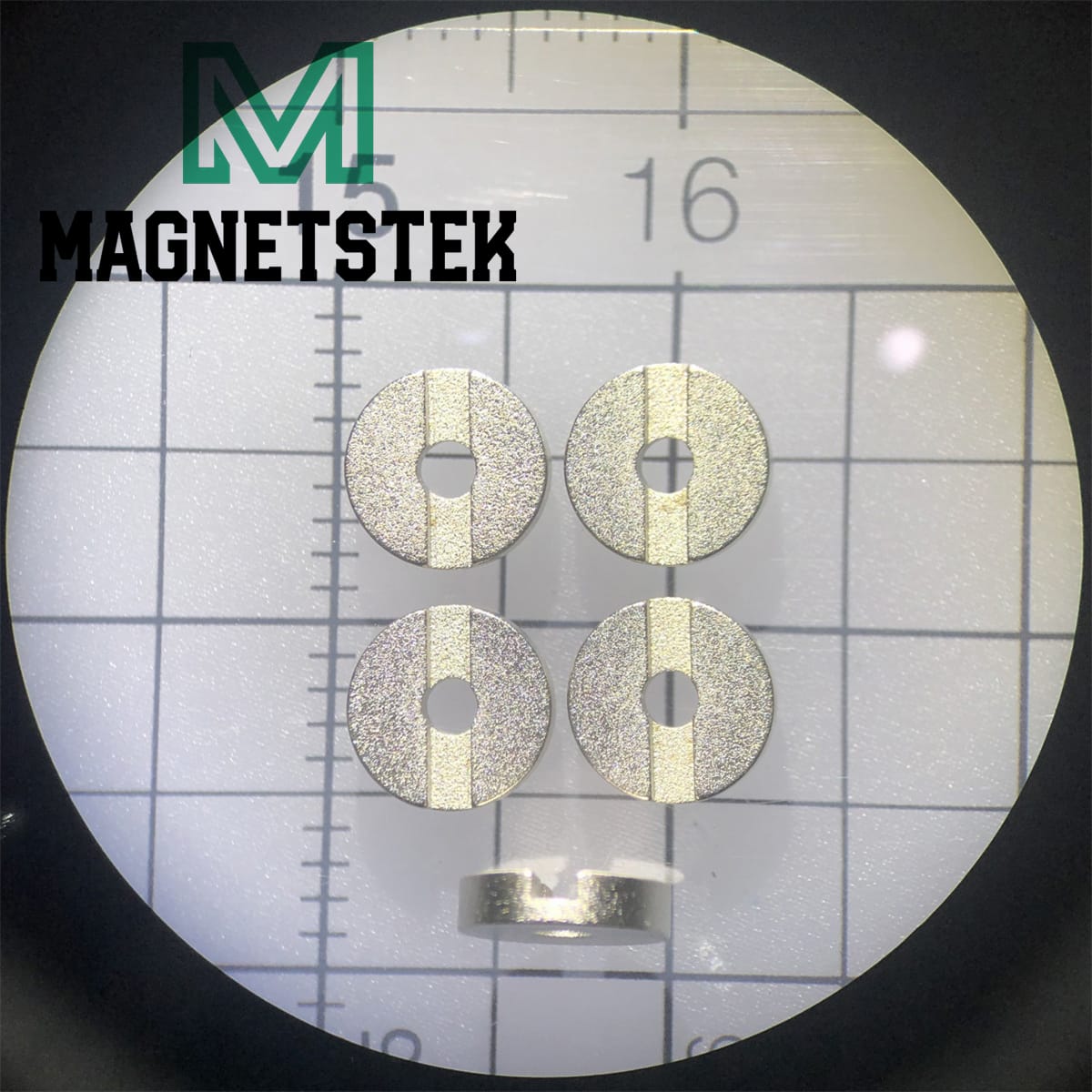
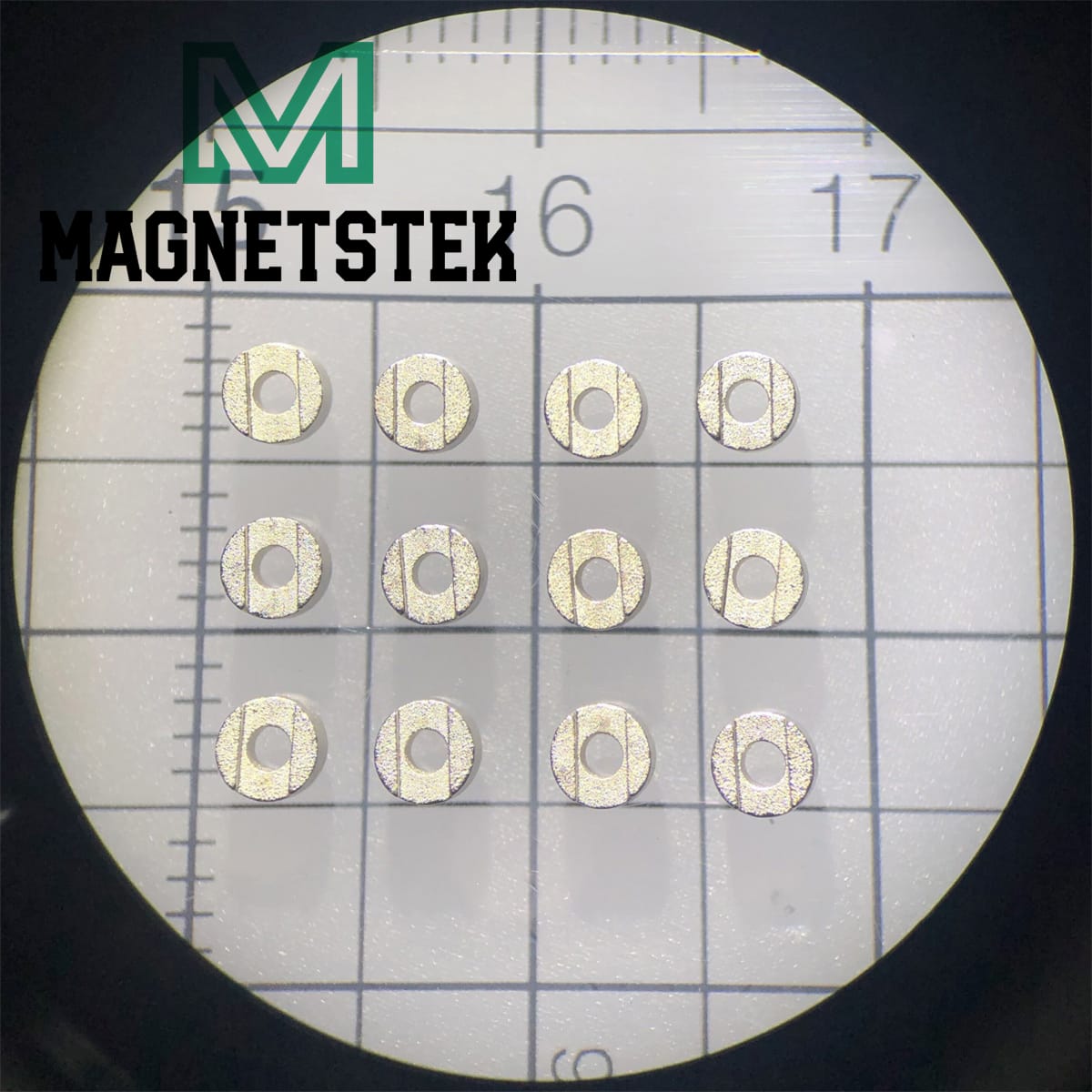
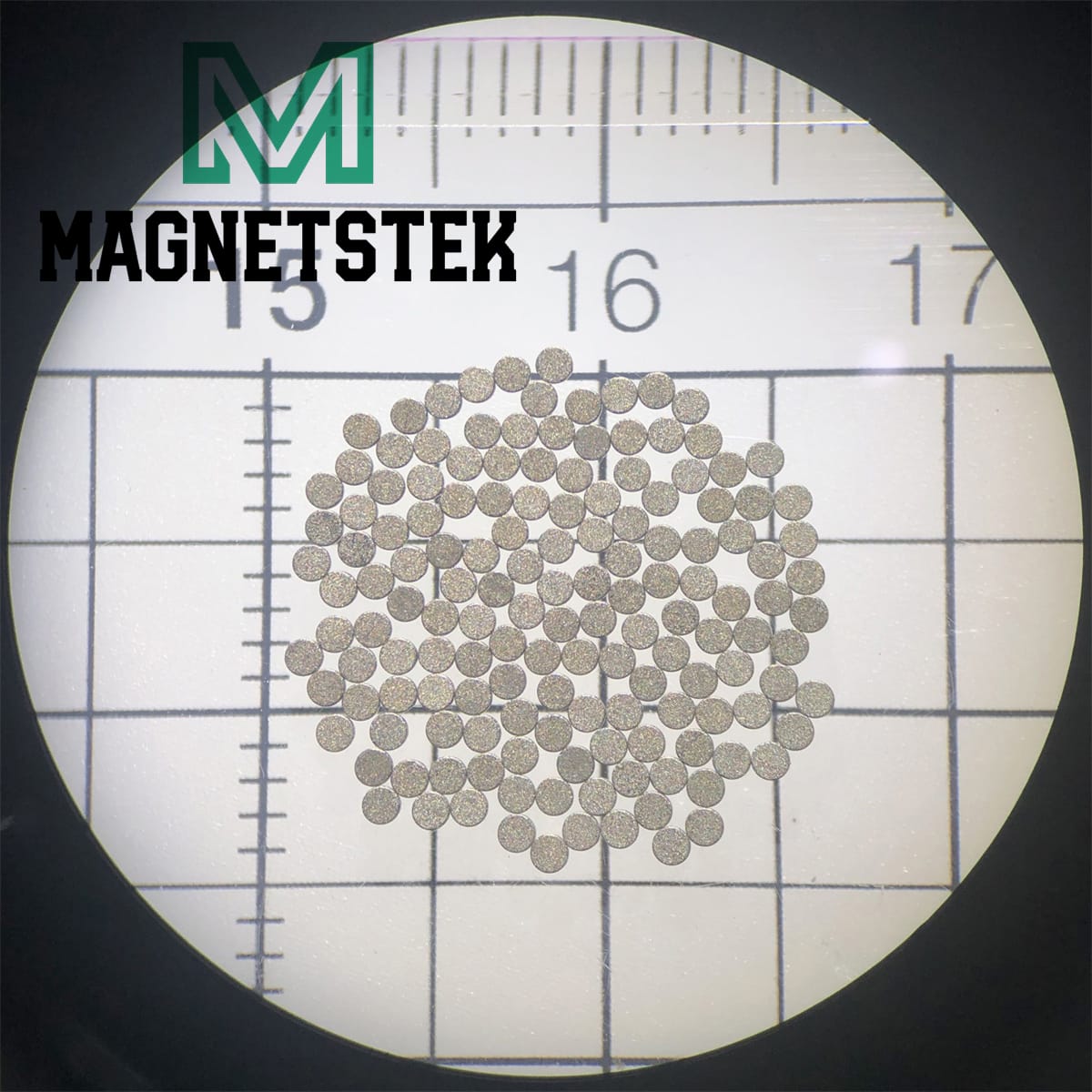
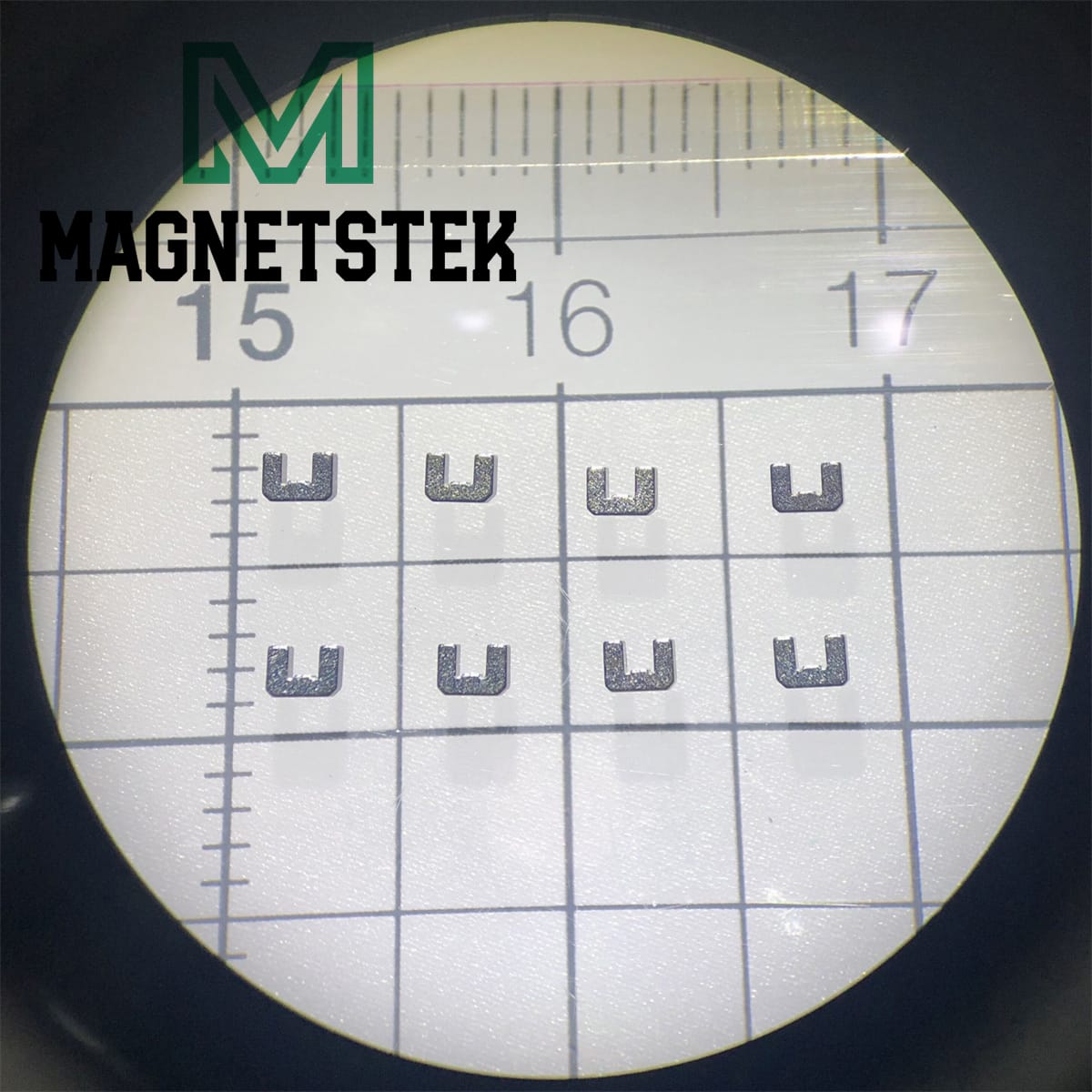
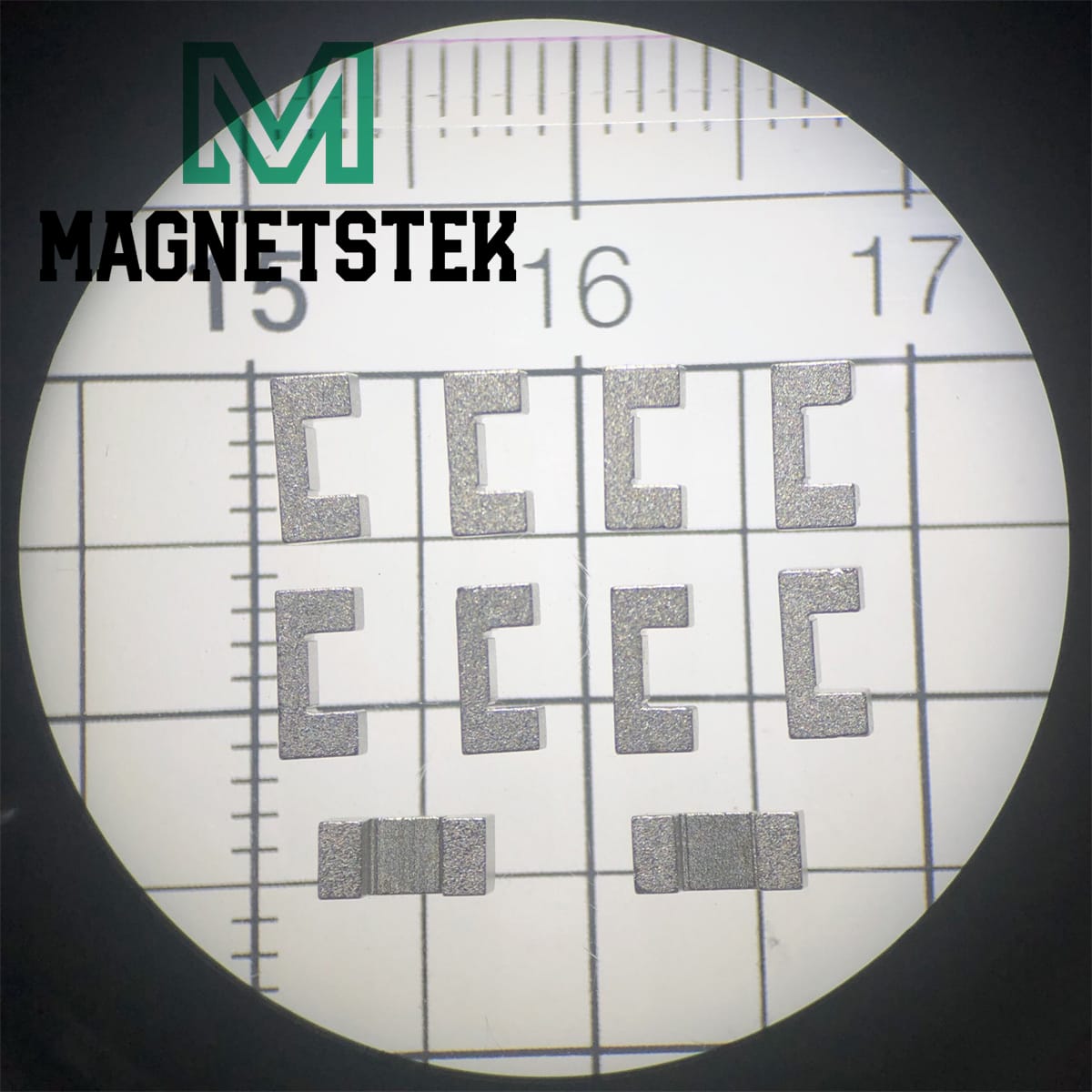
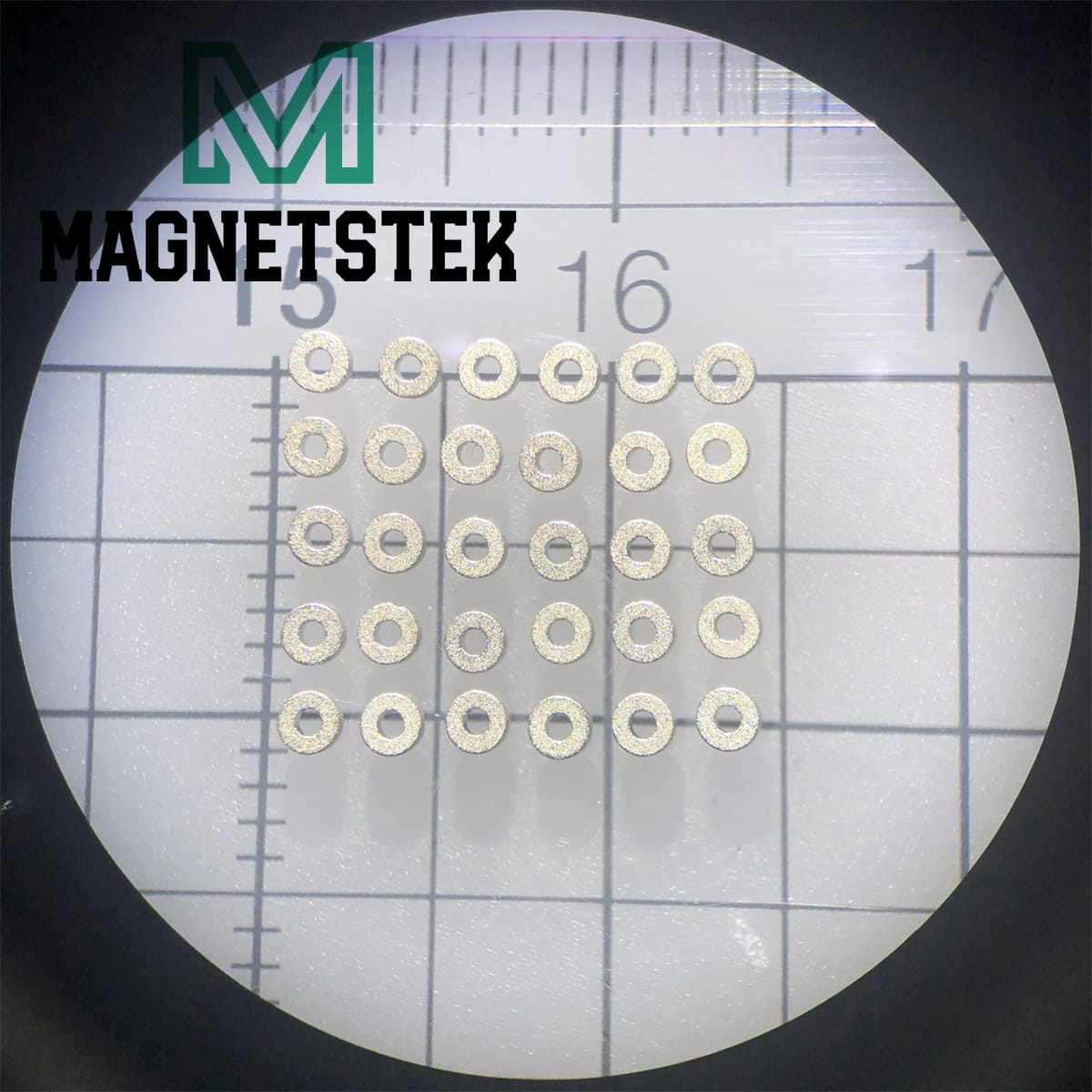
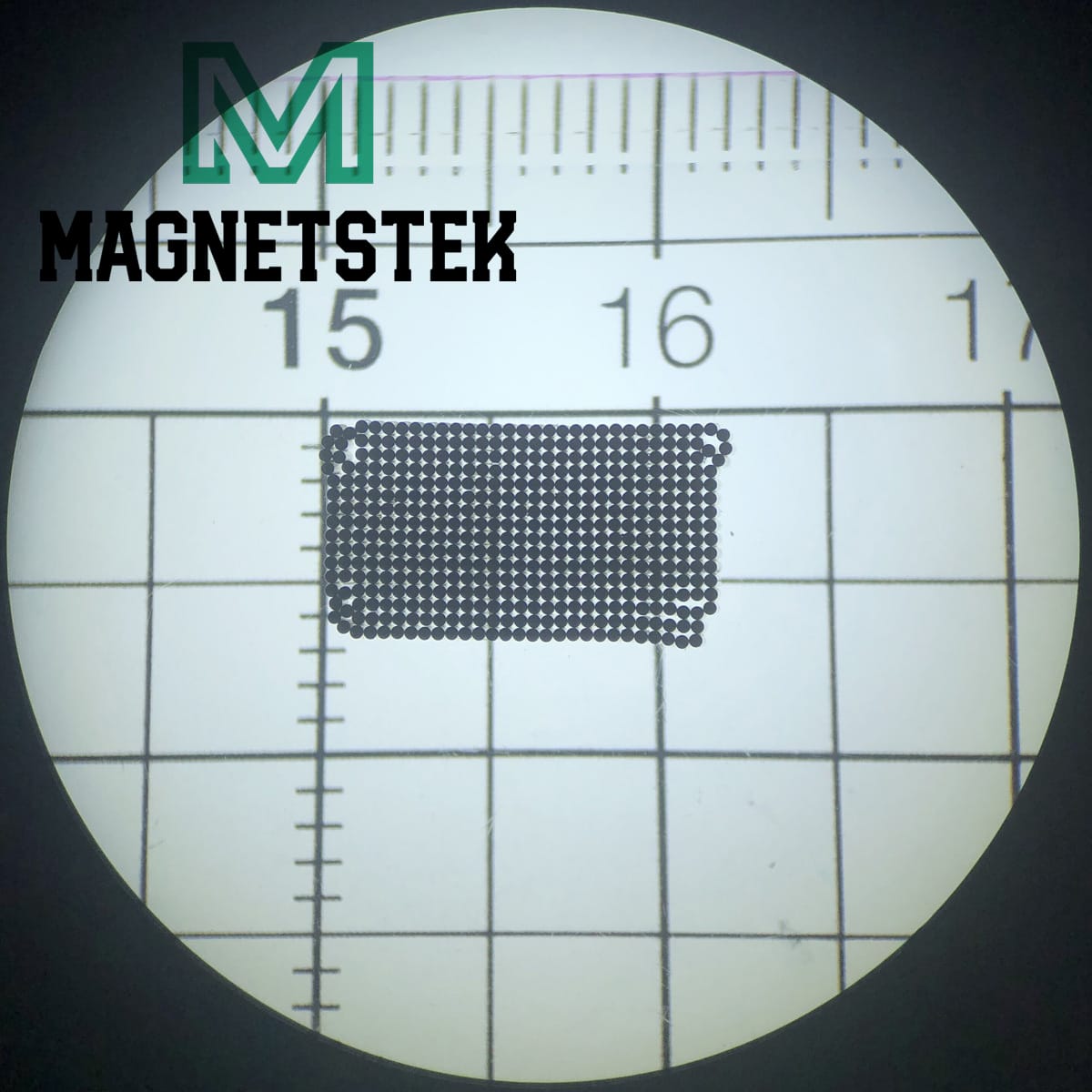
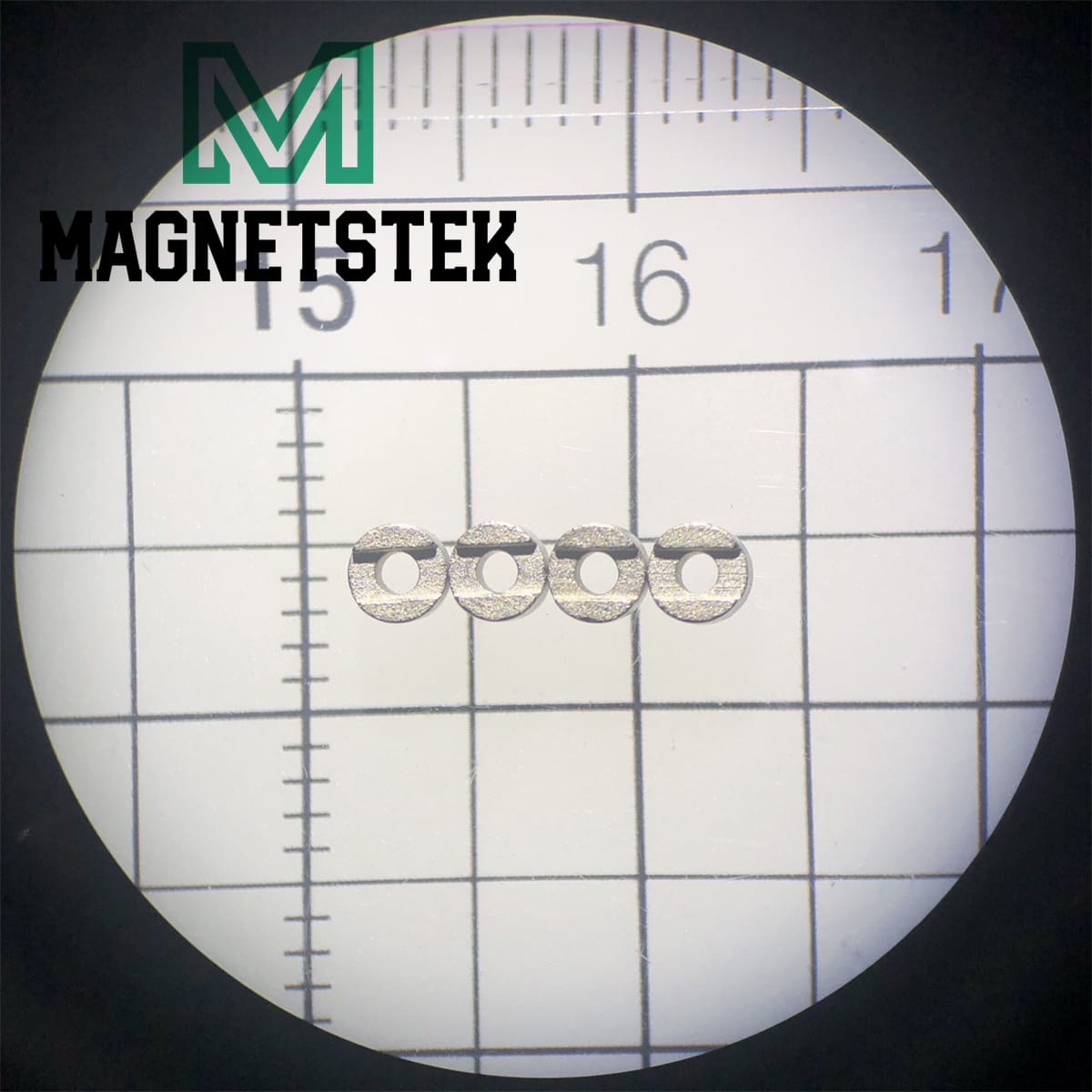
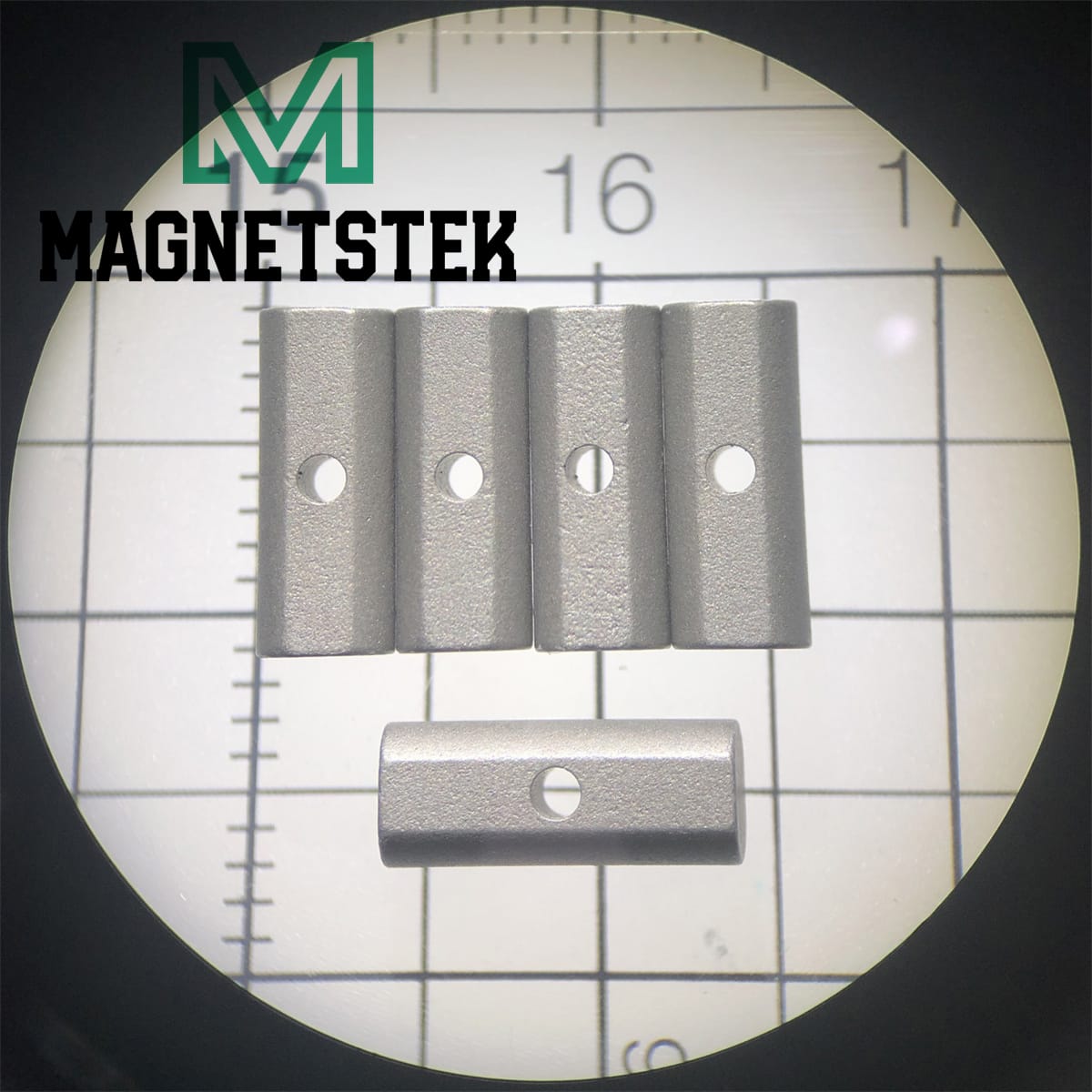
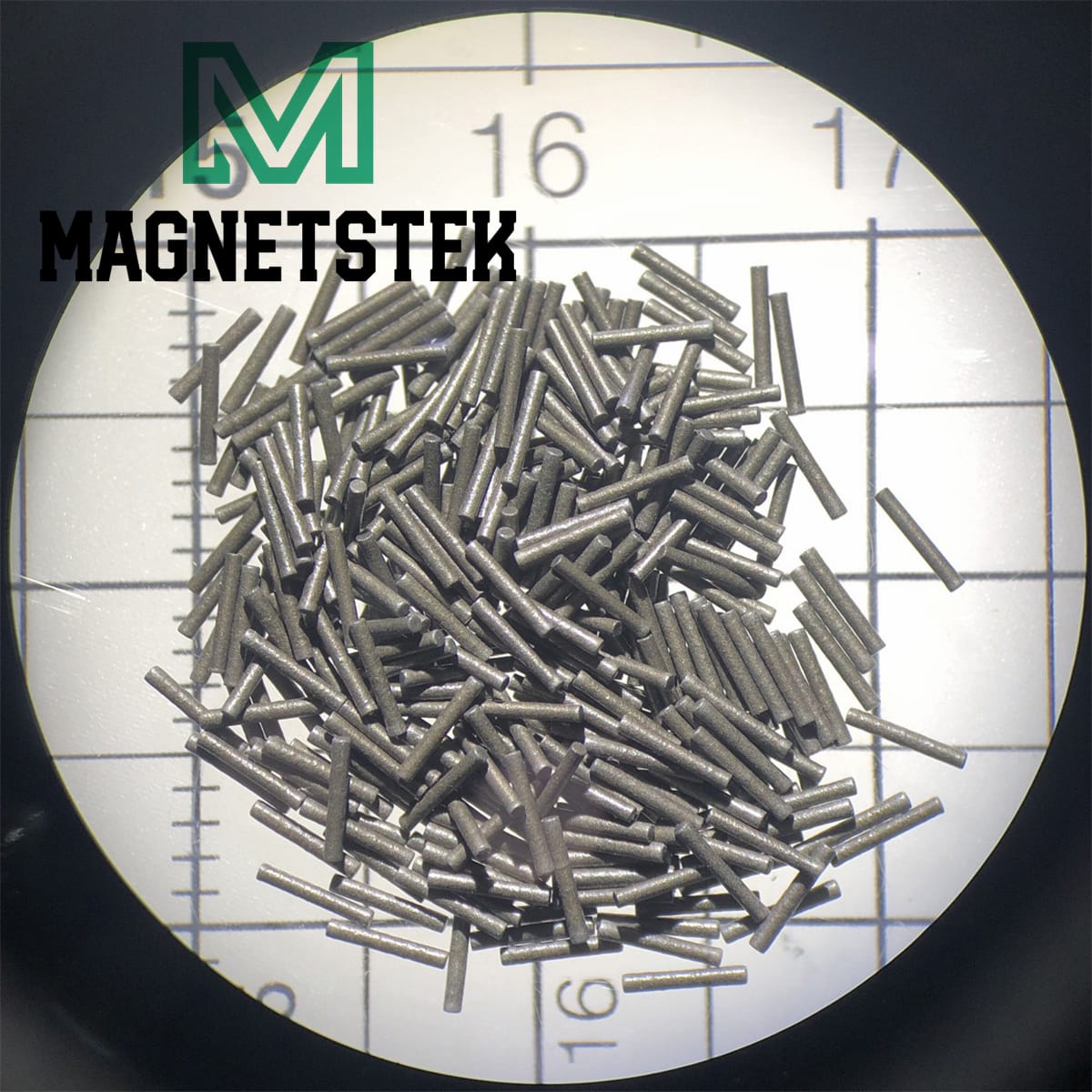
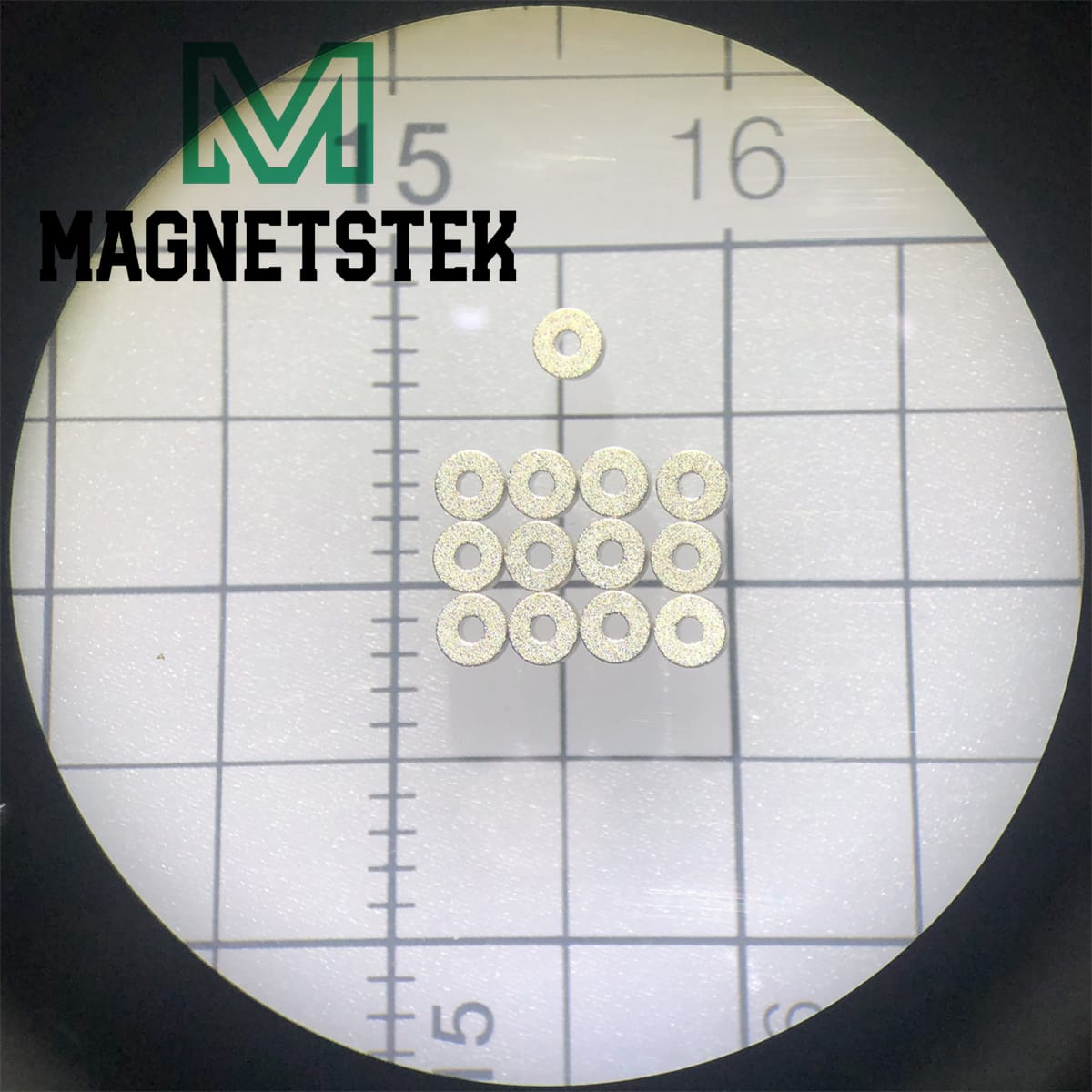
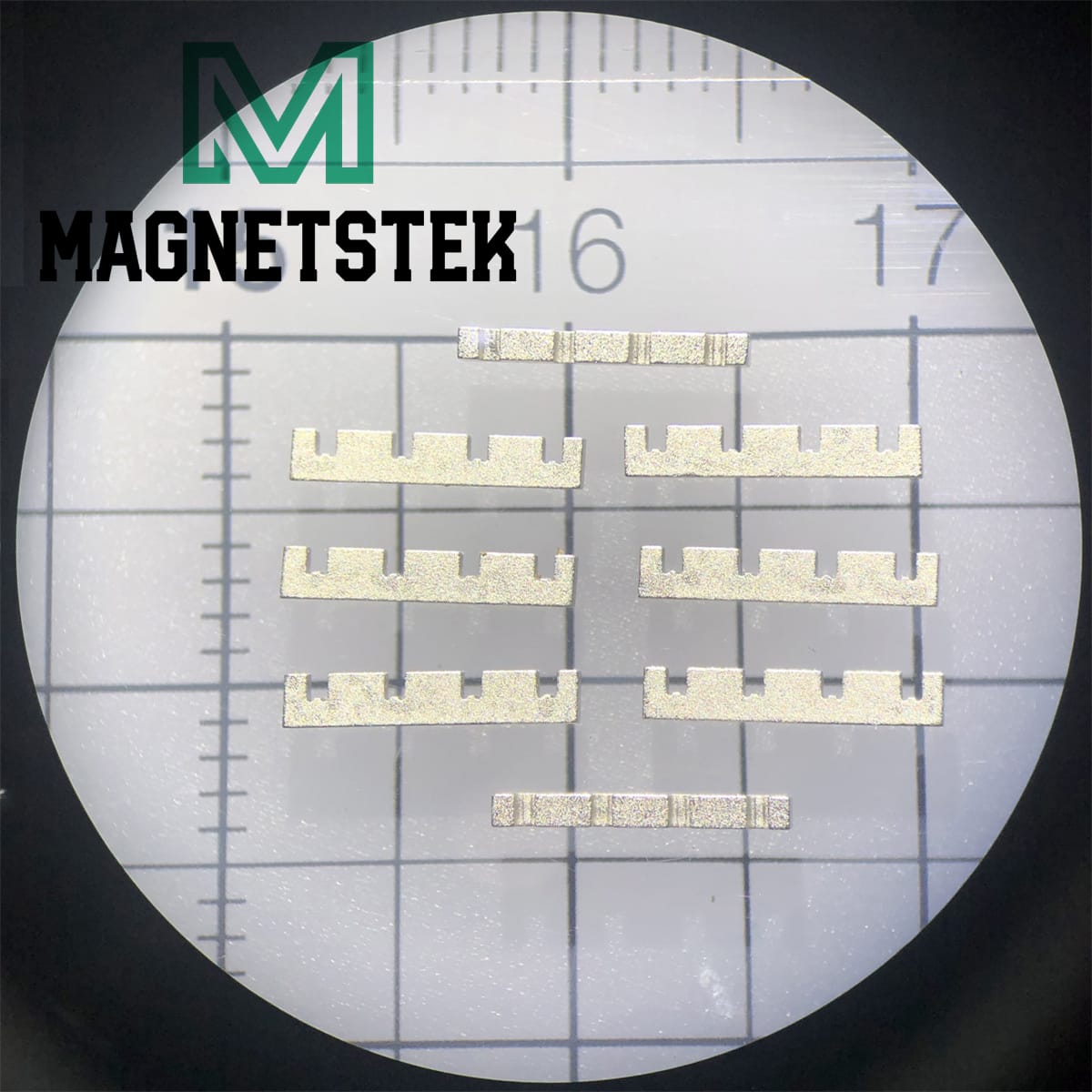
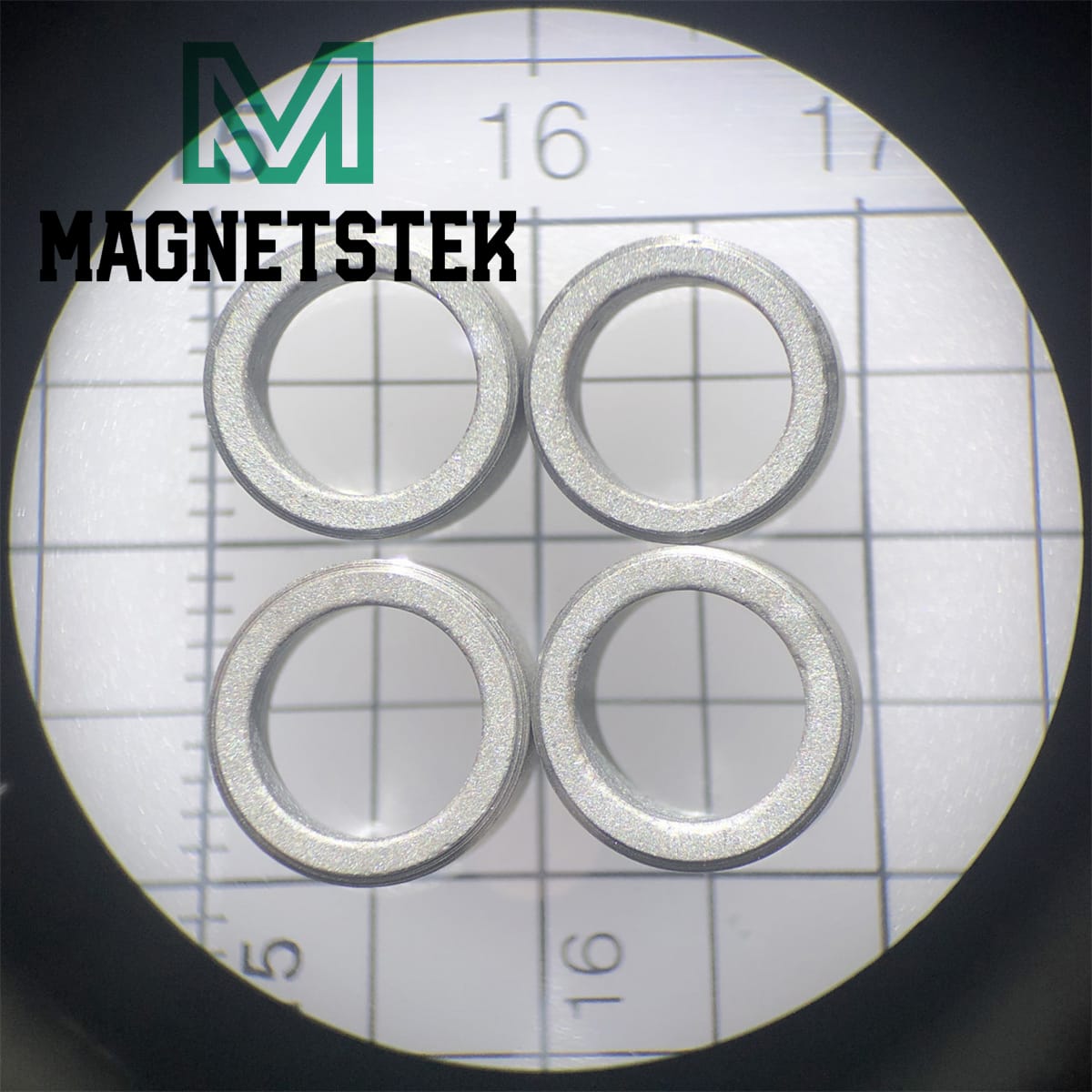
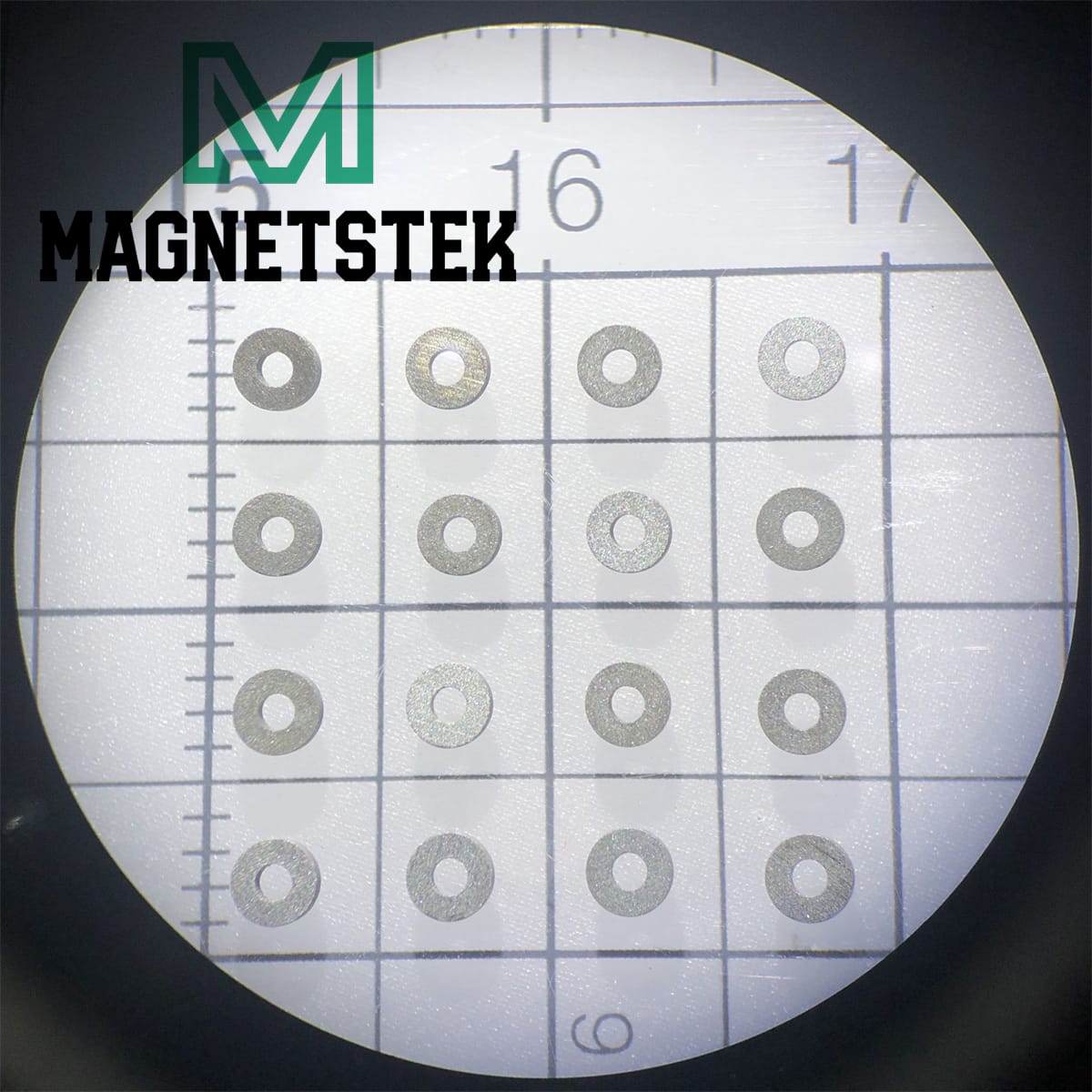
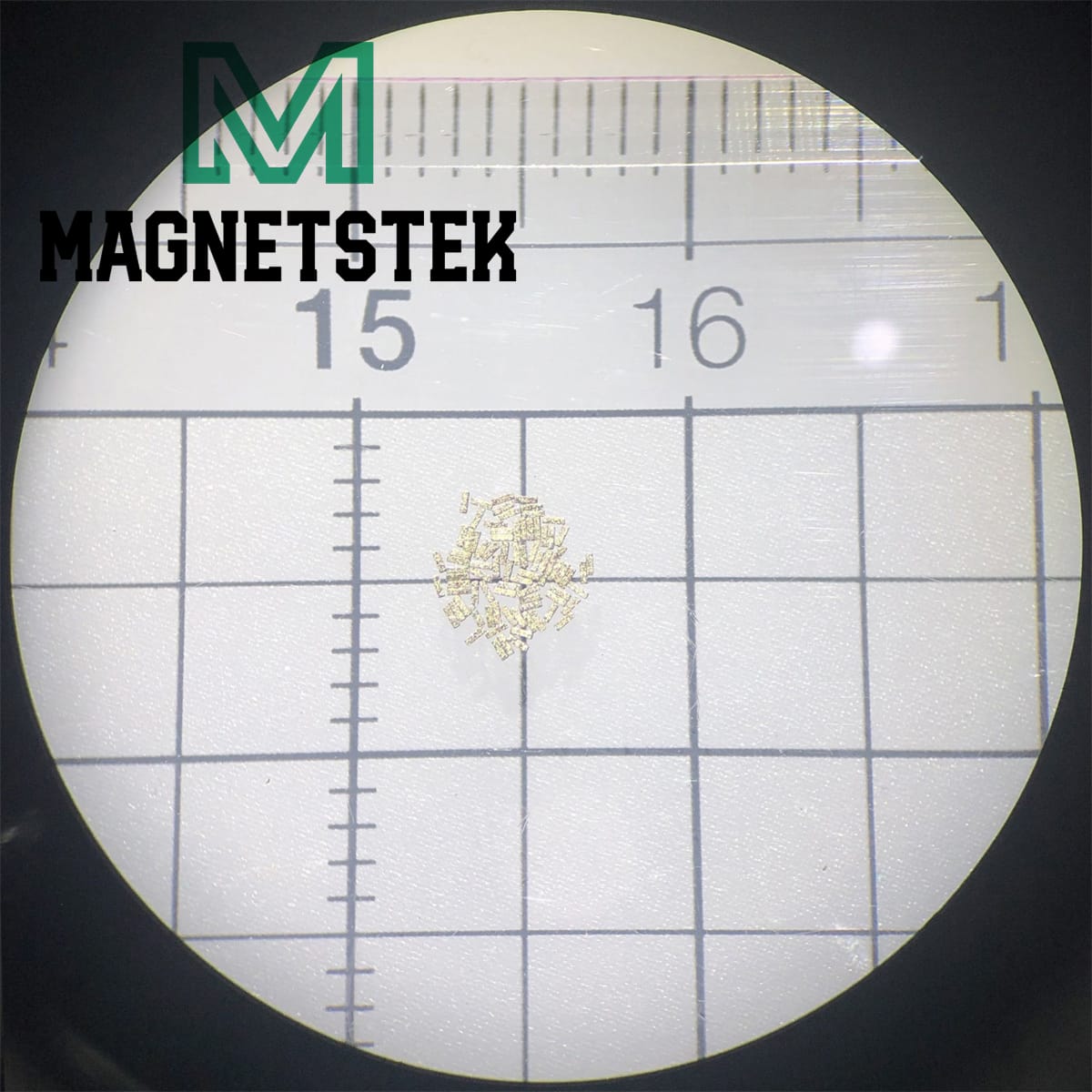
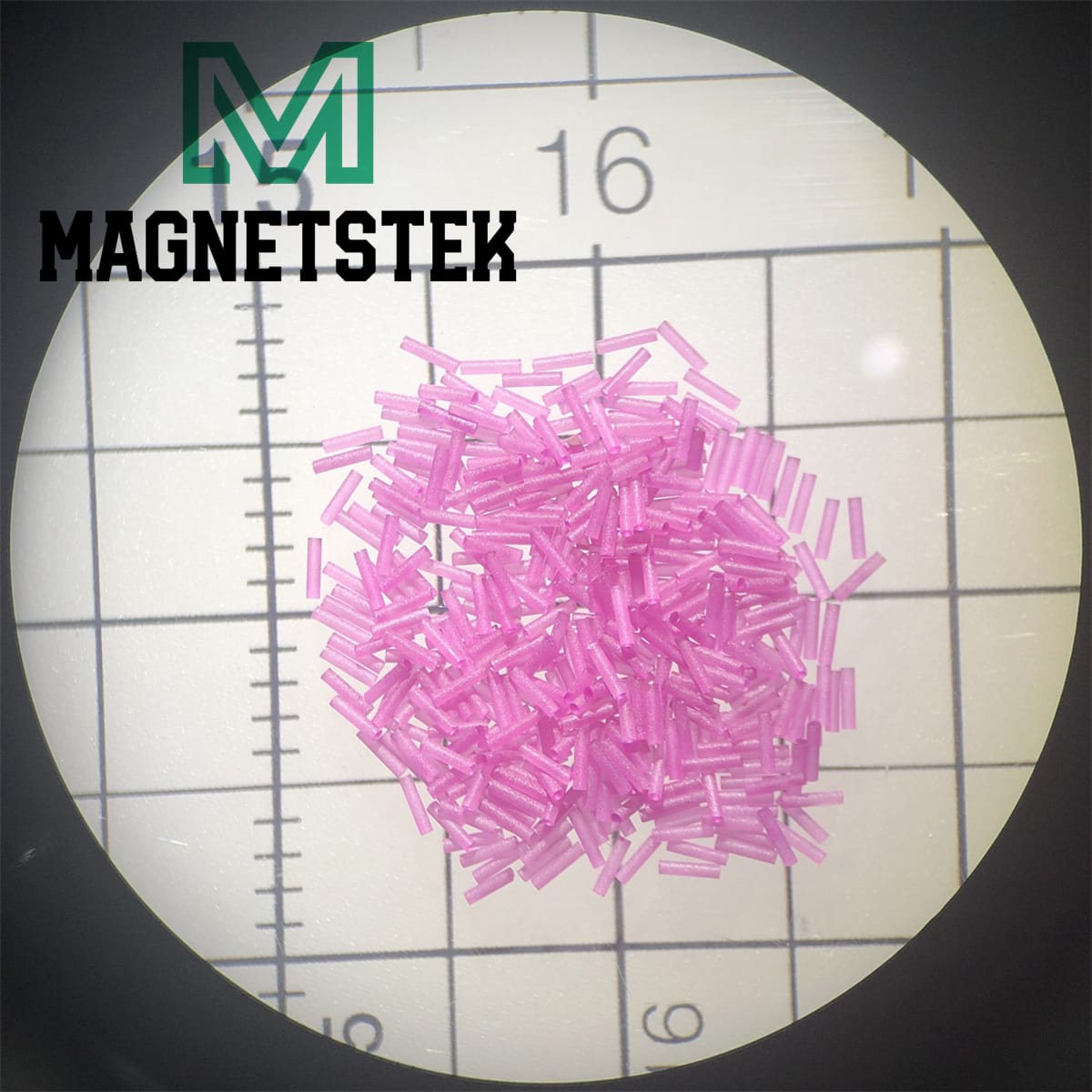
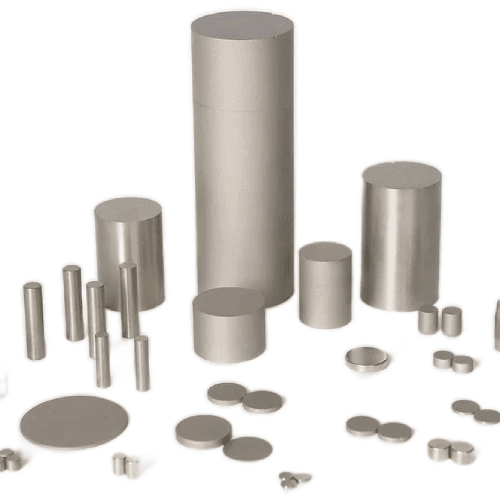
Micro Magnets Pictures

Micro Magnet Design Notes for Engineering RFQs

A micro magnet is specified by the field it must provide inside a small assembly, not by its size alone. Finished dimensions, orientation, coating and the position of the mating component all affect the result. A short drawing with these details is more useful for quoting than a request for the “strongest” grade.

What should a micro magnet drawing show?

Mark the finished dimensions and critical tolerances, datum surfaces, edge condition, pole faces and magnetization direction. For rings, include inner and outer diameter and thickness. For sensor applications, add the sensor position, working gap and required field or switching threshold. Note whether the dimensions are before or after coating.

Which material should you start with?

NdFeB is a common choice where a strong field is needed in limited space. SmCo may be considered when temperature stability or the operating environment calls for it. The final grade and coating should be reviewed against the actual working temperature, field requirement and assembly geometry. See our custom NdFeB and custom SmCo pages for the material options.

How should the first sample be checked?

Inspection should match the drawing: critical finished dimensions, coating condition, polarity, magnetization direction and the magnetic measurement at a specified location. If the magnet is installed in a holder or sensor assembly, test the assembled gap as well as the loose magnet. The first article inspection checklist gives a starting point.

How do MOQ and lead time work?

Minimum order, sampling and lead time depend on geometry, material, quantity and inspection requirements. Share the target quantity and drawing so Magnetstek can review feasibility and quote the specific part. Send a micro magnet RFQ.

Related Products

neodymium-magnets-magnetstek-engineering
Custom Neodymium Magnets
custom-smco-magnet-discs-cylinders-rods
Custom SmCo Magnets
mri-magnets-packed
MRI Levitation Magnets
magnet assemblies form Magnetstek Engineering
Magnetic Assemblies

What We Review Before Quoting

Share your drawing, magnetic requirements and operating conditions. Magnetstek reviews grade, coating, magnetization and inspection options for each custom part.

Request A Quote
*Company e-mail address is preferred.