- Custom Magnets
- Standard Magnets
- Mounting Magnets
- Magnetic Assemblies
- About Us
- Knowledge


Menu
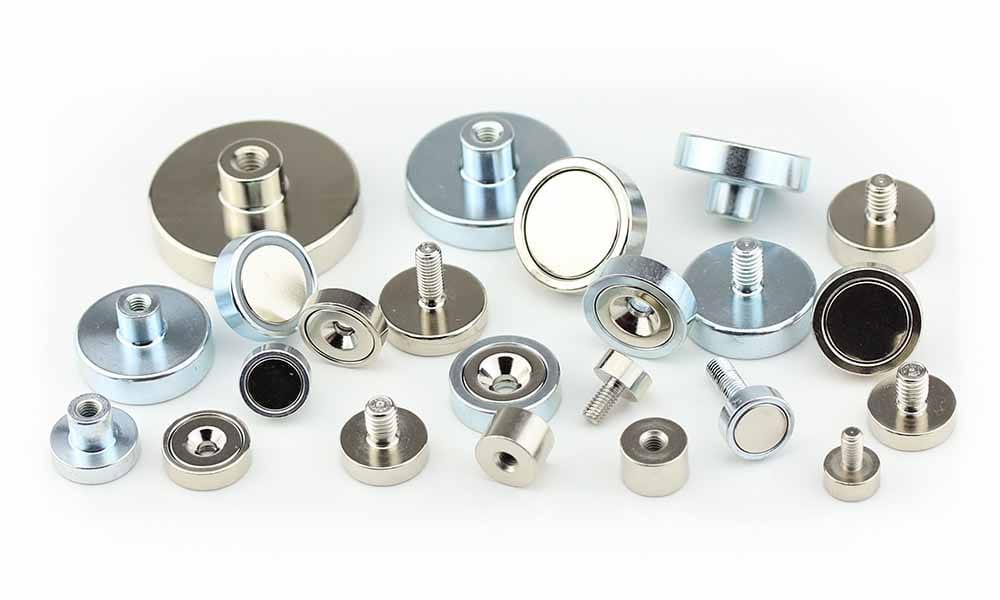
Mounting magnets combine a magnetic circuit with a mounting feature. Explore pot, hook, rubber-coated and other holders below. For a part-specific review, share the mounting geometry, mating surface, working gap, load direction, operating environment and quantity. Availability and lead time are confirmed for the requested design.
A mounting magnet holds against a ferromagnetic surface through a magnetic circuit. Pot magnets, hooks, threaded mounts and rubber-coated holders differ in how they attach to the load and how the force is measured. A rated pull force on thick, clean steel may not predict the force on a thin, painted or uneven surface.
For a mounting design, specify the mating surface, coating or air gap, load direction, required holding force, fastening method and operating environment. NdFeB and ferrite are common material options; the grade, cup geometry and coating should be reviewed for the actual assembly. Send a drawing or an existing part for a design-specific quote.
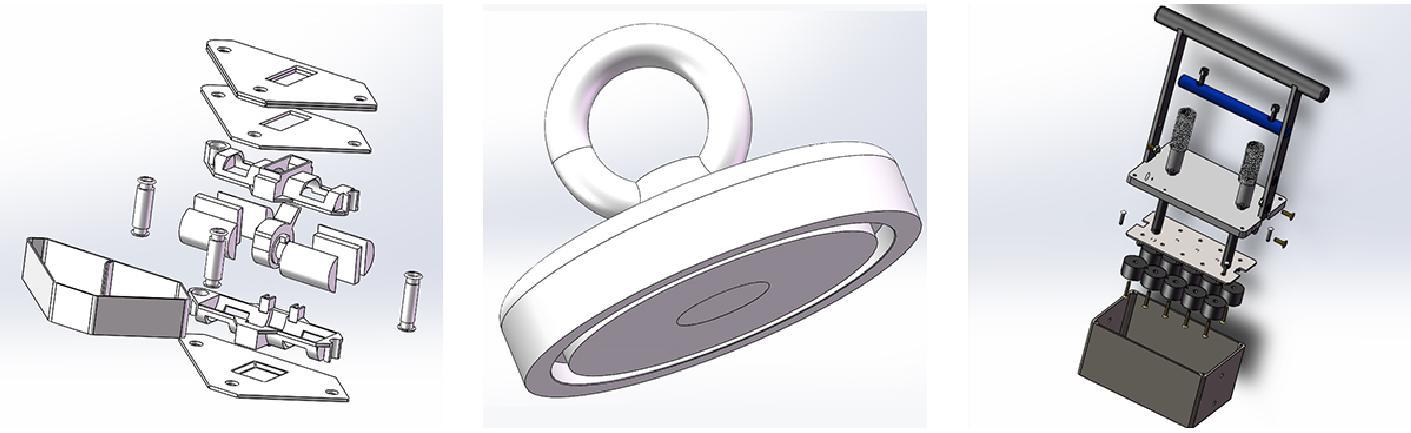
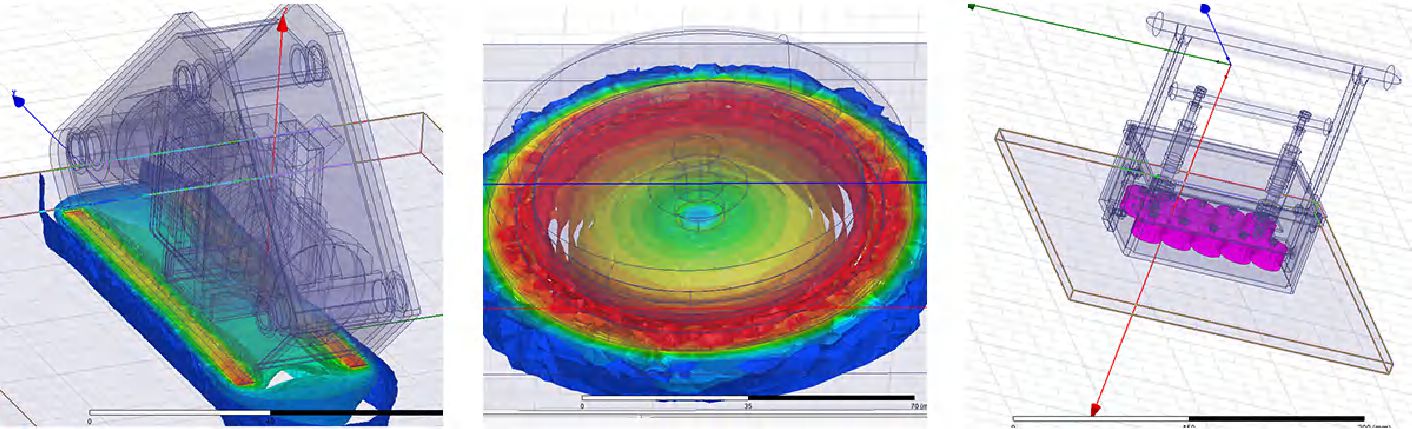
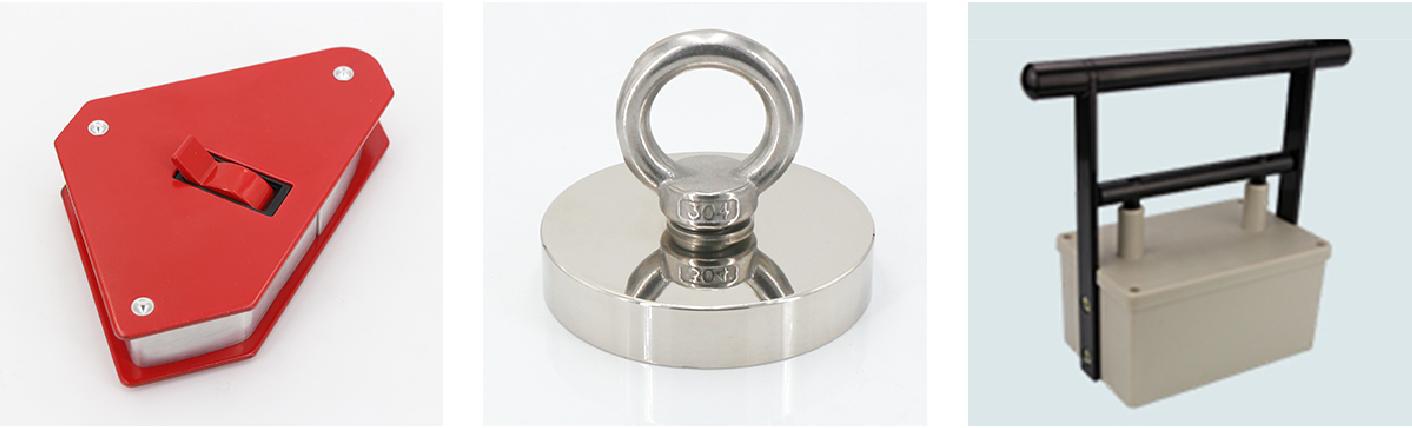

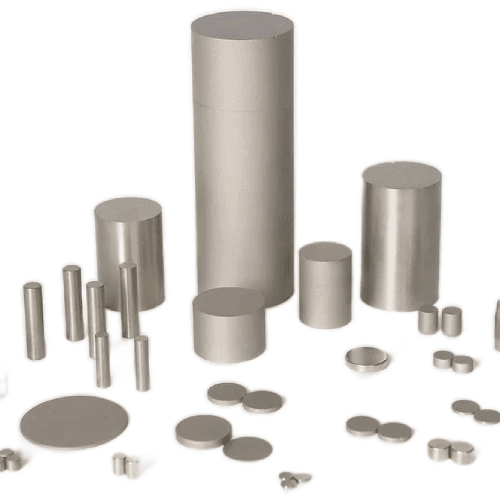

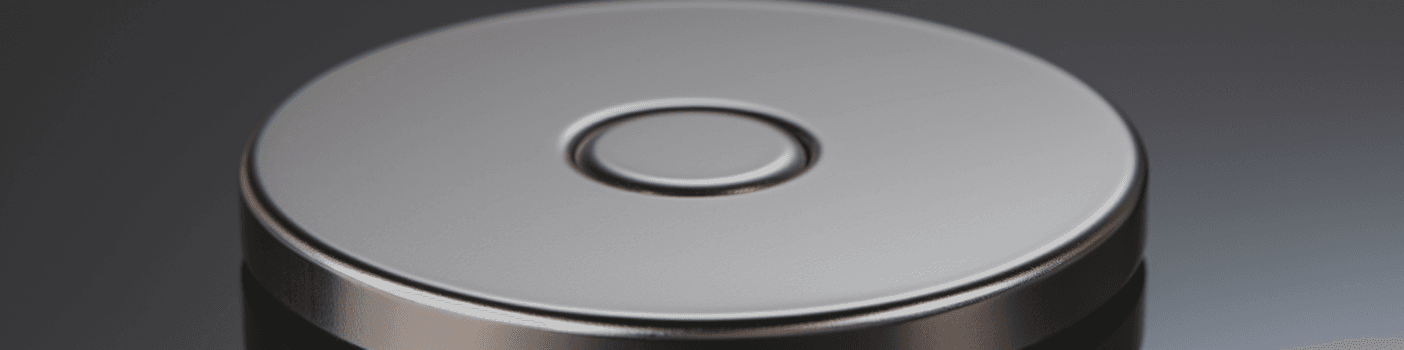
Mounting magnets are selected around a surface, a load and a fastening method. Pot magnets concentrate flux toward a steel contact face; hooks, threaded studs, countersunk holes and rubber coverings change how the assembly is installed and how its load should be checked. This guide compares common formats and the information needed for a useful quote.
Start with the required force at the real contact surface. Include any paint, coating or air gap, whether the load pulls away from the surface or slides along it, and the temperature or corrosion exposure. A catalogue pull-force number measured on thick, clean steel is a test condition, not a promise for every installation.
A mounting magnet is a magnet or magnetic assembly supplied with a feature for attaching a load, such as a hook, threaded stud, countersunk hole, rubber covering or adhesive backing. It usually holds to steel or another ferromagnetic mating surface. The useful force depends on the contact area, steel thickness, air gap, load direction and operating conditions.
Some designs use screws or adhesives on the load side, so installation method and surface protection must be specified rather than assumed. Compare each option against a measured force requirement at the actual installation surface.
Common formats include pot magnets, adhesive-backed pads, channel assemblies and compact neodymium mounts. Each has a different fastening interface and contact geometry. Compare the formats against the required load and mating surface rather than assuming one is strongest in every installation.
Pot magnets place a magnet inside a steel cup that directs much of the useful flux toward the open face. Versions may use a countersunk hole, internal thread, external stud or hook. Compare rated pull force only when the test steel, contact gap and load direction are stated. A cup can improve holding on a suitable steel surface, but its rating does not automatically apply to thin sheet, paint or shear loading.
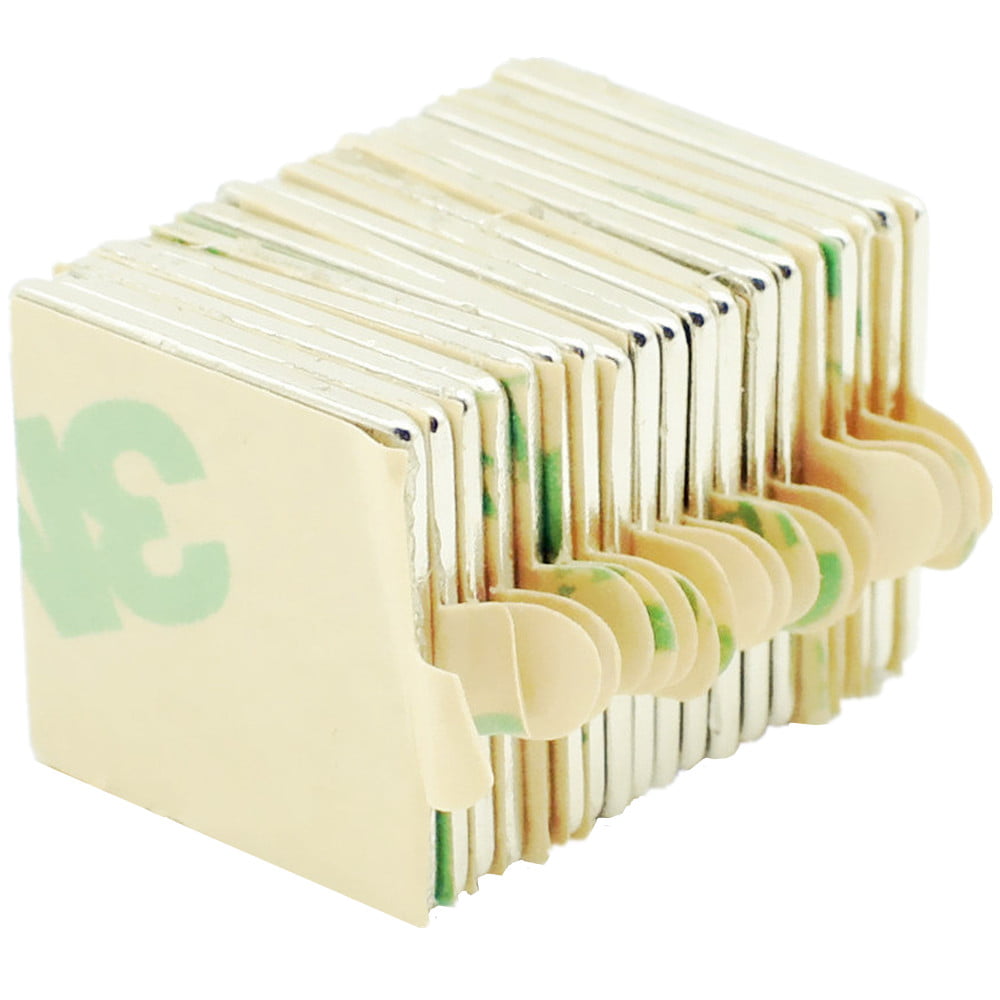
Adhesive-backed magnetic mounts use an adhesive layer to attach the mount to a nonmagnetic substrate while the magnet holds to a suitable steel counterpart. Bond performance depends on the adhesive specification, substrate, surface preparation, temperature, moisture, load direction and cure. The magnet itself does not adhere magnetically to wood, glass or plastic.
Specify whether the bond is temporary or permanent and test it on the real surface before use. For load-bearing or vibration exposure, review a mechanical backup and the adhesive maker’s application instructions.
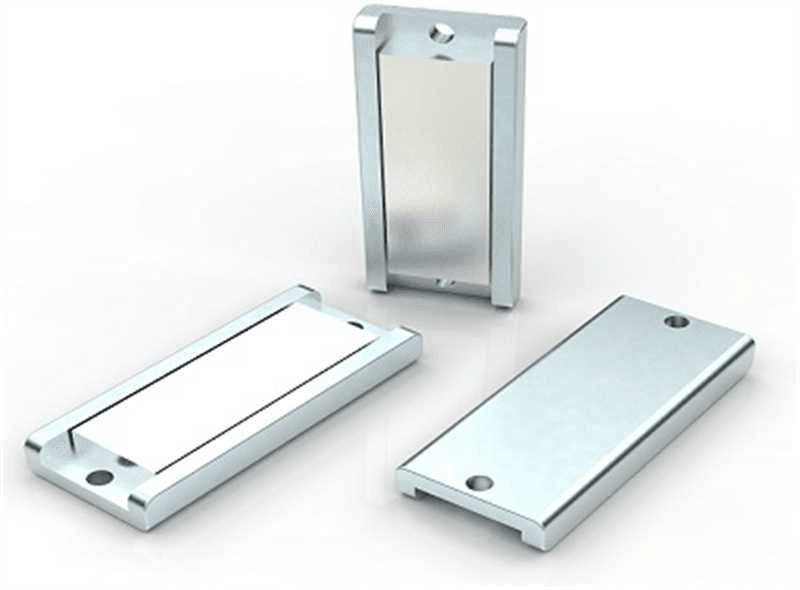
Channel magnets use a steel channel around the magnet and can offer a mounting surface or fastening points for an assembly. The channel geometry, magnet material and mating steel affect the measured pull force. A catalog pull rating should be checked against the actual gap, steel thickness and load direction.
If the mount will see vibration, impact or repeated handling, share those conditions during selection and validate the complete assembly. The channel alone does not establish a vibration or impact rating.
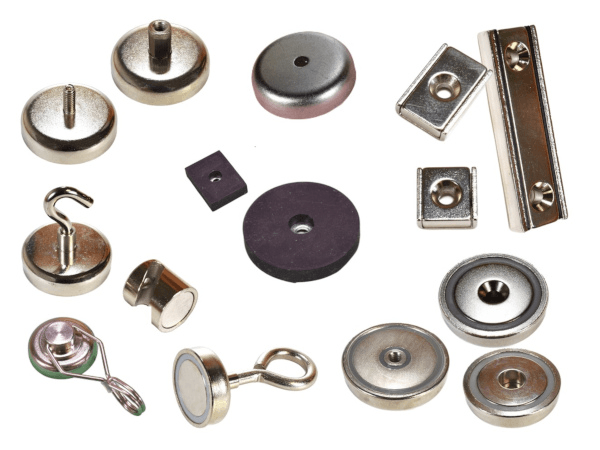
Neodymium mounting magnets can provide high holding force in a compact assembly when the magnetic circuit and mating surface are designed for the job. A published pull-force value usually describes a specific test setup; force can change with steel thickness, coating, air gap and the direction of loading. Grade selection also depends on operating temperature and the required corrosion protection.
For an application-specific quote, send the available envelope, fastening method, mating material, working gap, load direction and expected environment. We can review the magnet and holder as an assembly against those requirements.

In industrial settings, mounting magnets can be considered for removable signs, tool holding and temporary positioning where the load is known and the contact surface can be checked.
Suspended loads and lifting operations need purpose-designed, rated equipment and a separate safety review; catalogue holding magnets should not be treated as lifting devices.
For home or office use, check the load, the available steel surface and whether the fixing may scratch a finish. A magnet will not hold directly to wood, glass or plastic; these installations need a suitable steel counterpart or a separately specified adhesive system.
Commercial environments benefit greatly from the flexibility of mounting magnets:
Mounting magnets may be used in workshop fixtures and removable vehicle accessories when the installation has been checked for vibration, temperature, corrosion and the actual load path.
Vehicle and safety-critical installations require application-specific validation; a general mounting magnet description is not an approval for automotive use.
Use the category links above to compare pot, hook and rubber-coated mounting options. For a specific part, send a drawing or product reference with the mounting interface, mating surface, target load, load direction, working gap, environment and quantity. We can then check a suitable configuration and confirm availability and commercial terms for that request.
For a nonmagnetic substrate, an adhesive or mechanical fixing may attach the mount to that substrate; the magnetic holding side still needs a suitable ferromagnetic counterpart.
For heavy-duty applications or when mechanical fastening is necessary:

For a seamless, modern appearance:
Check the installation surface and operating conditions before choosing a holder:
Choose a mounting magnet by the installed load and contact conditions, then compare the available geometry and fastening options. A pull-force figure is meaningful only with its test surface and direction; a painted sheet, an air gap or a sliding load can change the result substantially. Adhesive selection and curing should follow the adhesive maker’s instructions and the actual substrate.
For a quote, send the drawing or reference part, target force at the real surface, load direction, working gap, temperature, corrosion exposure and quantity. Magnetstek can review the specification and confirm feasible options, availability and commercial terms for that part. Send your mounting magnet requirements.
The mounting method depends on the substrate, load direction and service conditions.
Stacking can change the field and holding force, but the result is not proportional to the number of magnets. Magnet orientation, geometry, backing steel, contact gap and load direction all matter. Measure the assembled holding force on the intended mating surface before using a stack to carry a load.
No adhesive type is best for every magnet-to-metal joint. Select a product using its manufacturer’s technical data for the magnet coating, metal substrate, load direction, temperature, moisture exposure, surface preparation and cure. Epoxy, cyanoacrylate and silicone systems have different limits; test the finished joint under the intended conditions and consider mechanical retention where release could cause harm.
Magnets can hold to suitable ferromagnetic surfaces such as steel. Contact area, steel thickness, coatings and load direction affect the force. Wood, glass and plastic require a suitable steel counterpart or a separately specified adhesive or mechanical mounting method. Verify the complete installed assembly on the actual surface.
A mounting magnet is a specially engineered magnetic device designed to securely attach objects to ferromagnetic surfaces without the need for drilling or permanent fixtures. At Magnetstek, our mounting magnets are optimized for reliable, damage-free installations.
Our product range includes several types:
Mounting magnets utilize magnetic fields to adhere to ferromagnetic surfaces such as steel or iron. Some models combine magnetic force with adhesives or mechanical fasteners for enhanced security, ensuring that your mounted items remain stable and secure.
They naturally adhere to ferromagnetic materials like steel, iron, nickel, and cobalt. For non-magnetic surfaces such as wood, plastic, or glass, our adhesive-backed mounting magnets or the use of a thin metal interface ensures a reliable bond.
The optimal installation method depends on your application:
Yes, stacking magnets can increase the overall magnetic force if they are aligned properly. However, there are diminishing returns beyond a certain point, so using a single high-quality magnet (such as our neodymium mounting magnets) is often more effective.
Secure installation is achieved by:
Yes, many of our mounting magnets are designed for outdoor applications. When used outdoors, it’s important to select products and adhesives that are weather-resistant and can withstand temperature fluctuations, UV exposure, and moisture.
Neodymium mounting magnets are made from rare-earth materials and provide a significantly higher strength-to-size ratio compared to standard magnets. This means you can achieve a stronger hold with a smaller magnet, making them ideal for high-load or space-constrained applications.
For bonding magnets to metal, high-strength adhesives such as epoxy, cyanoacrylate (super glue), or silicone adhesives are recommended. The choice depends on the load requirements and environmental conditions. Magnetstek products come with installation guidelines to help you select the ideal adhesive.
While Gorilla Glue can sometimes work for bonding magnets, its expanding nature during curing may affect alignment. For precise and durable results, it is best to use adhesives specifically recommended for mounting magnets, as outlined in Magnetstek’s installation guidelines.
Magnetstek is your exclusive source for top-quality mounting magnets. All our products—including displate mounting magnets, strong mounting magnets, wall mounting magnets, altronix mounting magnets, and neodymium mounting magnets—are available directly from our website. When you need reliable, high-performance mounting solutions, choose Magnetstek.


