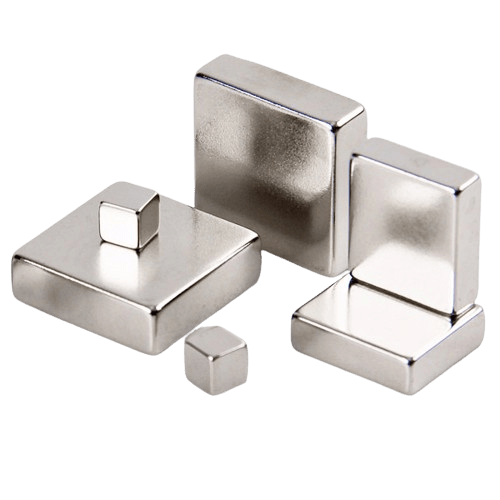
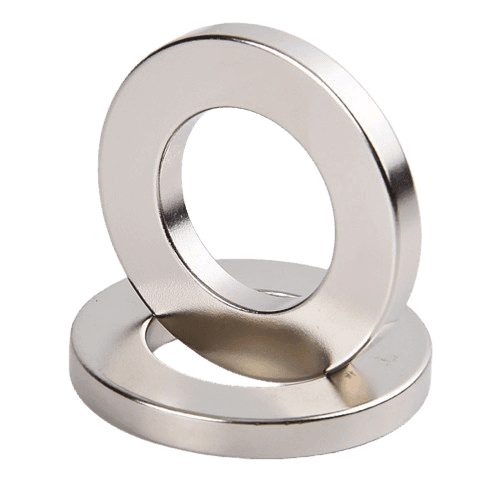
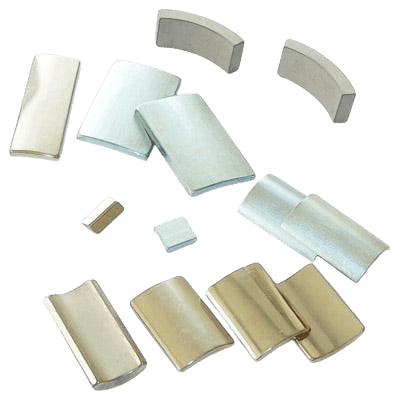
- Custom Magnets
- Standard Magnets
- Mounting Magnets
- Magnetic Assemblies
- About Us
- Knowledge


Menu
For a custom NdFeB magnet, share the finished shape and dimensions, grade or target field, coating, magnetization direction, operating temperature and quantity. Magnetstek reviews the drawing for feasibility and provides a part-specific quotation. Send your drawing for review. Minimum order and lead time are confirmed with the quote.
Specify the required field or pull force at the working gap and the maximum operating temperature. These inputs guide grade selection.
Neodymium magnets are available in various shapes and sizes, including discs, blocks, rings, and custom shapes.
Neodymium magnets are commonly coated to protect them from corrosion and to improve their durability.
Magnetizing directions refer to the orientation of the magnetic field within a magnet. The direction influences magnet's performance and application.
Report normal and peak temperatures and any thermal cycling. Check the selected grade under the assembly’s worst-case magnetic conditions.
Neodymium-iron-boron (NdFeB) is a sintered rare-earth magnet material often considered when high magnetic output is needed in limited space. The field in an assembly also depends on geometry, operating temperature and the surrounding magnetic circuit.
Magnetstek reviews custom shapes, finished dimensions, coating and magnetization direction from customer drawings. Available grades, tolerances, sizes and inspection options are confirmed for each design. See the drawing and RFQ checklist before sending a request.
Magnetstek Engineering has been supplying Neodymium Magnets for over 20 years. We manufacture strong Neodymium magnets according to our customers’ requirements and offer competitive prices. Our NdFeB Magnet Grades ranged from N35 to N56 and N to NTH. NdFeB magnets are graded based on their magnetic properties and performance characteristics. The “NdFeB Magnet Grades” is a standardized way to communicate the material’s maximum energy product, a crucial indicator of its strength.
The standard notation for NdFeB Magnet Grades consists of the following format: Nxx, where “N” stands for Neodymium and “xx” represents a two-digit number. The higher the number, the higher the maximum energy product and, consequently, the stronger the magnet. Additionally, some grades may include additional specifications ending with one or two letters, such as “H”, “M”, and “UH”. This gives information on the maximum working temperature resistance.
Magnetstek Engineering achieved exceptional NdFeB Magnet Grades of N54 and N56, which are even stronger than N52. We have also pushed the industry’s maximum operation temperature to 250°C/482°F (Grade NxxTH).
Here are the NdFeB Magnet Grades:
These are among the lower grades, with N35 being less powerful and N52 being stronger within this range. The maximum operating temperature is 80°C/176°F while 70°C/158°F for N50 and N52.
The “M” in these grades indicates a medium temperature rating. These magnets are suitable for applications where elevated temperatures are a consideration. The maximum operating temperature is 100°C/212°F.
The “H” denotes a high-temperature rating, making these magnets more suitable for applications where heat resistance is essential. The maximum operating temperature is 120°C/248°F.
The “SH” signifies a super high-temperature rating, suitable for applications with even higher operating temperatures. The maximum operating temperature is 150°C/302°F.
The “UH” indicates an ultra-high-temperature rating, making these magnets suitable for extremely high-temperature environments. The maximum operating temperature is 180°C/356°F.
The “EH” represents an extra high-temperature rating, suitable for applications requiring a balance of high strength and temperature resistance. The maximum operating temperature is 200°C/392°F.
The maximum operating temperature is 230°C/446°F.
8. N30TH, N33TH, N35TH
The maximum operating temperature is 250°C/482°F.
| Grade | Remanence Induction/Br. | Coercive Force/HcB | Intrinsic Coercive Force/HcJ | Maximum Energy Product/(BH)max | Max Working Temp. | Curie Temp. | ||||
|---|---|---|---|---|---|---|---|---|---|---|
| T | KGs | KA/m | KOe | KA/m | KOe | KJ/m³ | MGOe | °C/°F | °C/°F | |
N35 | 1.17-1.21 | 11.7-12.1 | ≥876 | ≥11 | ≥955 | ≥12 | 263-279 | 33-35 | 80/176 | 310/590 |
N38 | 1.23-1.30 | 12.3-13.0 | ≥876 | ≥11 | ≥955 | ≥12 | 287-318 | 36-40 | 80/176 | 310/590 |
N40 | 1.26-1.32 | 12.6-13.2 | ≥876 | ≥11 | ≥955 | ≥12 | 302-334 | 38-42 | 80/176 | 310/590 |
N42 | 1.29-1.35 | 12.9-13.5 | ≥876 | ≥11 | ≥955 | ≥12 | 318-350 | 40-44 | 80/176 | 310/590 |
N45 | 1.32-1.38 | 13.2-13.8 | ≥876 | ≥11 | ≥955 | ≥12 | 334-366 | 42-46 | 80/176 | 310/590 |
N48 | 1.37-1.43 | 13.7-14.3 | ≥876 | ≥11 | ≥955 | ≥12 | 358-390 | 45-49 | 80/176 | 310/590 |
N50 | 1.40-1.45 | 14.0-14.5 | ≥876 | ≥11 | ≥955 | ≥12 | 374-406 | 47-51 | 70/158 | 310/590 |
N52 | 1.42-1.48 | 14.2-14.8 | ≥836 | ≥10.5 | ≥876 | ≥11 | 390-422 | 49-53 | 70/158 | 310/590 |
N54 | 1.45-1.49 | 14.5-14.9 | ≥836 | ≥10.5 | ≥955 | ≥11 | 406-437 | 51-55 | 80/176 | 310/590 |
N56 | 1.47-1.51 | 14.7-15.1 | ≥836 | ≥10.5 | ≥876 | ≥12 | 414-454 | 52-57 | 80/176 | 310/590 |
N35M | 1.17-1.21 | 11.7-12.1 | ≥892 | ≥11.2 | ≥1114 | ≥14 | 263-279 | 33-35 | 100/212 | 340/644 |
N38M | 1.23-1.30 | 12.3-13.0 | ≥915 | ≥11.5 | ≥1114 | ≥14 | 287-318 | 36-40 | 100/212 | 340/644 |
N40M | 1.26-1.32 | 12.6-13.2 | ≥939 | ≥11.8 | ≥1114 | ≥14 | 302-334 | 38-42 | 100/212 | 340/644 |
N42M | 1.29-1.35 | 12.9-13.5 | ≥963 | ≥12.1 | ≥1114 | ≥14 | 318-350 | 40-44 | 100/212 | 340/644 |
N45M | 1.32-1.38 | 13.2-13.8 | ≥987 | ≥12.4 | ≥1114 | ≥14 | 334-366 | 42-46 | 100/212 | 340/644 |
N48M | 1.37-1.43 | 13.7-14.3 | ≥1019 | ≥12.8 | ≥1114 | ≥14 | 358-390 | 45-49 | 100/212 | 340/644 |
N50M | 1.40-1.45 | 14.0-14.5 | ≥1043 | ≥13.1 | ≥1114 | ≥14 | 374-406 | 47-51 | 100/212 | 340/644 |
N52M | 1.42-1.48 | 14.2-14.8 | ≥1059 | ≥13.3 | ≥1114 | ≥14 | 390-422 | 49-53 | 100/212 | 340/644 |
N33H | 1.14-1.17 | 11.4-11.7 | ≥820 | ≥10.3 | ≥1353 | ≥17 | 247-263 | 31-33 | 120/248 | 340/644 |
N35H | 1.17-1.24 | 11.7-12.4 | ≥876 | ≥11.0 | ≥1353 | ≥17 | 263-295 | 33-37 | 120/248 | 340/644 |
N38H | 1.23-1.30 | 12.3-13.0 | ≥915 | ≥11.5 | ≥1353 | ≥17 | 286-318 | 36-40 | 120/248 | 340/644 |
N40H | 1.26-1.32 | 12.6-13.2 | ≥939 | ≥11.8 | ≥1353 | ≥17 | 302-334 | 38-42 | 120/248 | 340/644 |
N42H | 1.29-1.35 | 12.9-13.5 | ≥963 | ≥12.1 | ≥1353 | ≥17 | 318-350 | 40-44 | 120/248 | 340/644 |
N45H | 1.32-1.38 | 13.2-13.8 | ≥987 | ≥12.4 | ≥1353 | ≥17 | 334-366 | 42-46 | 120/248 | 340/644 |
N48H | 1.37-1.43 | 13.7-14.3 | ≥1011 | ≥12.7 | ≥1353 | ≥17 | 358-390 | 45-49 | 120/248 | 340/644 |
N50H | 1.40-1.45 | 14.0-14.5 | ≥1027 | ≥12.9 | ≥1353 | ≥17 | 374-406 | 47-51 | 120/248 | 340/644 |
N30SH | 1.08-1.12 | 10.8-11.2 | ≥804 | ≥10.1 | ≥1592 | ≥20 | 223-239 | 28-30 | 150/302 | 340/644 |
N33SH | 1.14-1.21 | 11.4-12.1 | ≥852 | ≥10.7 | ≥1592 | ≥20 | 247-279 | 31-35 | 150/302 | 340/644 |
N35SH | 1.17-1.24 | 11.7-12.4 | ≥876 | ≥11.0 | ≥1592 | ≥20 | 263-295 | 33-37 | 150/302 | 340/644 |
N38SH | 1.23-1.29 | 12.3-12.9 | ≥915 | ≥11.5 | ≥1592 | ≥20 | 287-318 | 36-40 | 150/302 | 340/644 |
N40SH | 1.26-1.32 | 12.6-13.2 | ≥939 | ≥11.8 | ≥1592 | ≥20 | 302-334 | 38-42 | 150/302 | 340/644 |
N42SH | 1.29-1.35 | 12.9-13.5 | ≥963 | ≥12.1 | ≥1592 | ≥20 | 318-350 | 40-44 | 150/302 | 340/644 |
N45SH | 1.32-1.38 | 13.2-13.8 | ≥987 | ≥12.4 | ≥1592 | ≥20 | 334-366 | 42-46 | 150/302 | 340/644 |
N48SH | 1.37-1.43 | 13.7-14.3 | ≥1011 | ≥12.7 | ≥1592 | ≥20 | 358-390 | 45-49 | 150/302 | 340/644 |
N50SH | 1.40-1.45 | 14.0-14.5 | ≥1027 | ≥12.9 | ≥1592 | ≥20 | 374-406 | 47-51 | 150/302 | 340/644 |
N28UH | 1.04-1.08 | 10.4-10.8 | ≥780 | ≥9.8 | ≥1990 | ≥25 | 207-223 | 26-28 | 180/356 | 350/662 |
N30UH | 1.08-1.13 | 10.8-11.3 | ≥796 | ≥10.0 | ≥1990 | ≥25 | 223-255 | 28-31 | 180/356 | 350/662 |
N33UH | 1.14-1.18 | 11.4-11.8 | ≥852 | ≥10.5 | ≥1990 | ≥25 | 247-279 | 31-35 | 180/356 | 350/662 |
N35UH | 1.17-1.24 | 11.7-12.4 | ≥876 | ≥11.0 | ≥1990 | ≥25 | 263-295 | 33-37 | 180/356 | 350/662 |
N38UH | 1.23-1.29 | 12.3-12.9 | ≥915 | ≥11.5 | ≥1990 | ≥25 | 287-318 | 36-40 | 180/356 | 350/662 |
N40UH | 1.26-1.32 | 12.6-13.2 | ≥939 | ≥11.8 | ≥1990 | ≥25 | 302-334 | 38-42 | 180/356 | 350/662 |
N42UH | 1.28-1.35 | 12.8-13.5 | ≥963 | ≥12.1 | ≥1990 | ≥25 | 310-350 | 39-44 | 180/356 | 350/662 |
N45UH | 1.32-1.38 | 13.2-13.8 | ≥987 | ≥12.4 | ≥1990 | ≥25 | 334-366 | 42-46 | 180/356 | 350/662 |
N48UH | 1.37-1.42 | 13.7-14.2 | ≥1019 | ≥12.8 | ≥1910 | ≥24 | 358-390 | 45-49 | 180/356 | 350/662 |
N30EH | 1.08-1.15 | 10.8-11.5 | ≥812 | ≥10.2 | ≥2388 | ≥30 | 223-255 | 28-32 | 200/392 | 350/662 |
N33EH | 1.14-1.21 | 11.4-12.1 | ≥851 | ≥10.7 | ≥2388 | ≥30 | 247-279 | 31-35 | 200/392 | 350/662 |
N35EH | 1.17-1.24 | 11.7-12.4 | ≥876 | ≥11.0 | ≥2388 | ≥30 | 263-295 | 33-37 | 200/392 | 350/662 |
N38EH | 1.23-1.29 | 12.3-12.9 | ≥915 | ≥11.5 | ≥2388 | ≥30 | 287-318 | 36-40 | 200/392 | 350/662 |
N40EH | 1.26-1.32 | 12.6-13.2 | ≥939 | ≥11.8 | ≥2388 | ≥30 | 302-334 | 38-42 | 200/392 | 350/662 |
N42EH | 1.28-1.35 | 12.8-13.5 | ≥963 | ≥12.1 | ≥2388 | ≥30 | 310-350 | 39-44 | 200/392 | 350/662 |
N45EH | 1.33-1.38 | 13.3-13.8 | ≥995 | ≥12.5 | ≥2308 | ≥29 | 334-366 | 42-46 | 200/392 | 350/662 |
N28AH | 1.04-1.12 | 10.4-11.2 | ≥772 | ≥9.7 | ≥2786 | ≥35 | 207-239 | 26-30 | 230/446 | 350/662 |
N30AH | 1.08-1.15 | 10.8-11.5 | ≥812 | ≥10.2 | ≥2786 | ≥35 | 223-255 | 28-32 | 230/446 | 350/662 |
N33AH | 1.14-1.21 | 11.4-12.1 | ≥852 | ≥10.7 | ≥2786 | ≥35 | 247-279 | 31-35 | 230/446 | 350/662 |
N35AH | 1.17-1.24 | 11.7-12.4 | ≥876 | ≥11.0 | ≥2786 | ≥35 | 263-295 | 33-37 | 230/446 | 350/662 |
N38AH | 1.23-1.27 | 12.3-12.7 | ≥923 | ≥11.6 | ≥2786 | ≥35 | 287-318 | 36-40 | 230/446 | 350/662 |
N40AH | 1.26-1.31 | 12.6-13.1 | ≥939 | ≥11.8 | ≥2628 | ≥33 | 302-334 | 38-42 | 230/446 | 350/662 |
N30TH | 1.08-1.13 | 10.8-11.3 | 820 | 10.3 | ≥3182 | ≥40 | 223-247 | 28-31 | 250/482 | 350/662 |
N33TH | 1.11-1.17 | 11.1-11.7 | 851 | 10.7 | ≥3182 | ≥40 | 239-271 | 31-34 | 250/482 | 350/662 |
N35TH | 1.17-1.22 | 11.7-12.2 | 867 | 10.9 | ≥3182 | ≥40 | 263-287 | 33-36 | 250/482 | 350/662 |
Specify the required field and maximum working temperature before selecting an NdFeB grade. Remanence, coercivity and the demagnetization curve should be checked for the finished shape and magnetic circuit. Any elevated-temperature option is reviewed against the actual operating conditions.
Neodymium magnets can be produced in various shapes. Generally, there are Rounds, Blocks, Rings, Arcs, Spheres, and Irregular shapes.
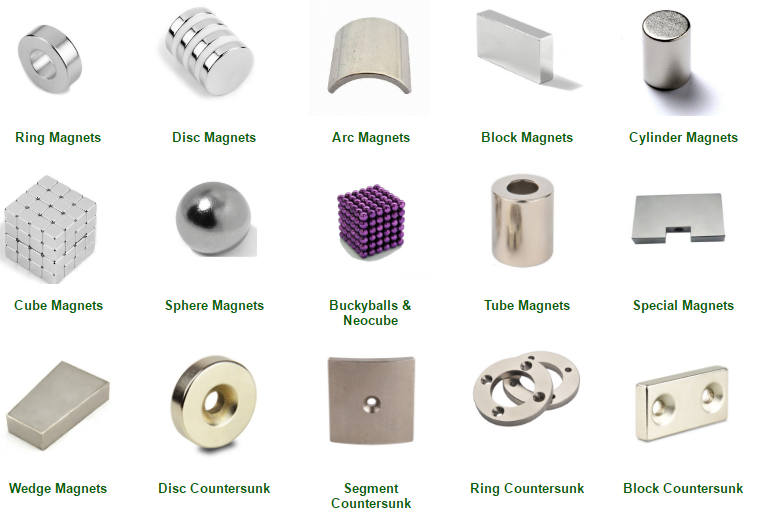
The size of neodymium magnets can be varied. The size range is from 0.1 mm to 300 mm now. The tolerance can be as small as +/-0.005mm for micron magnets and +/-0.03mm for regular magnets.
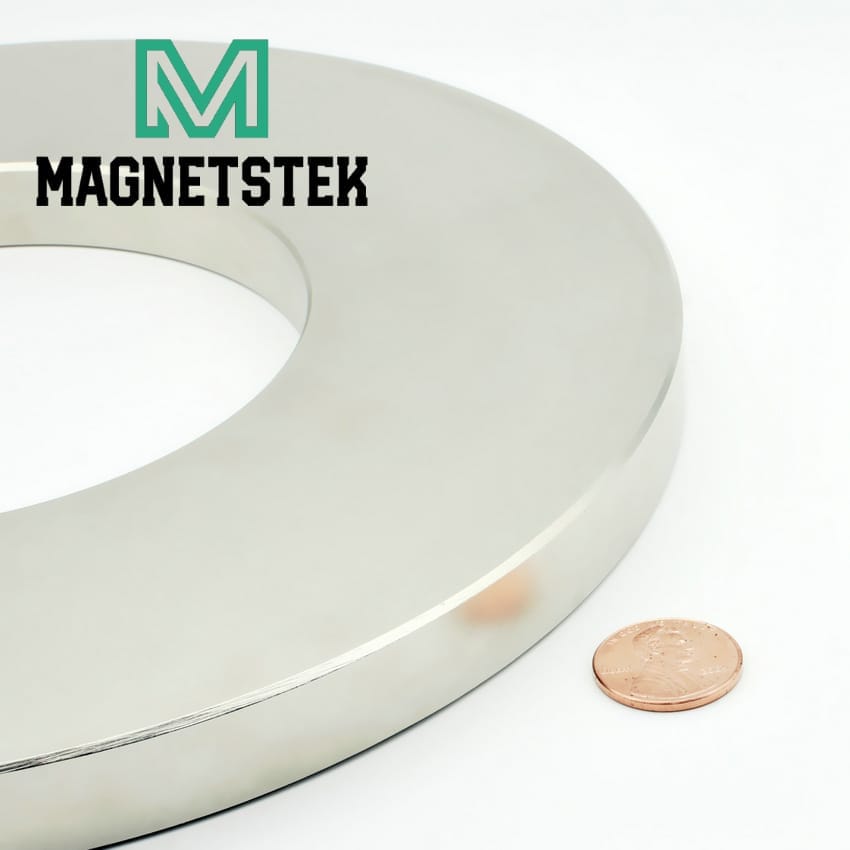
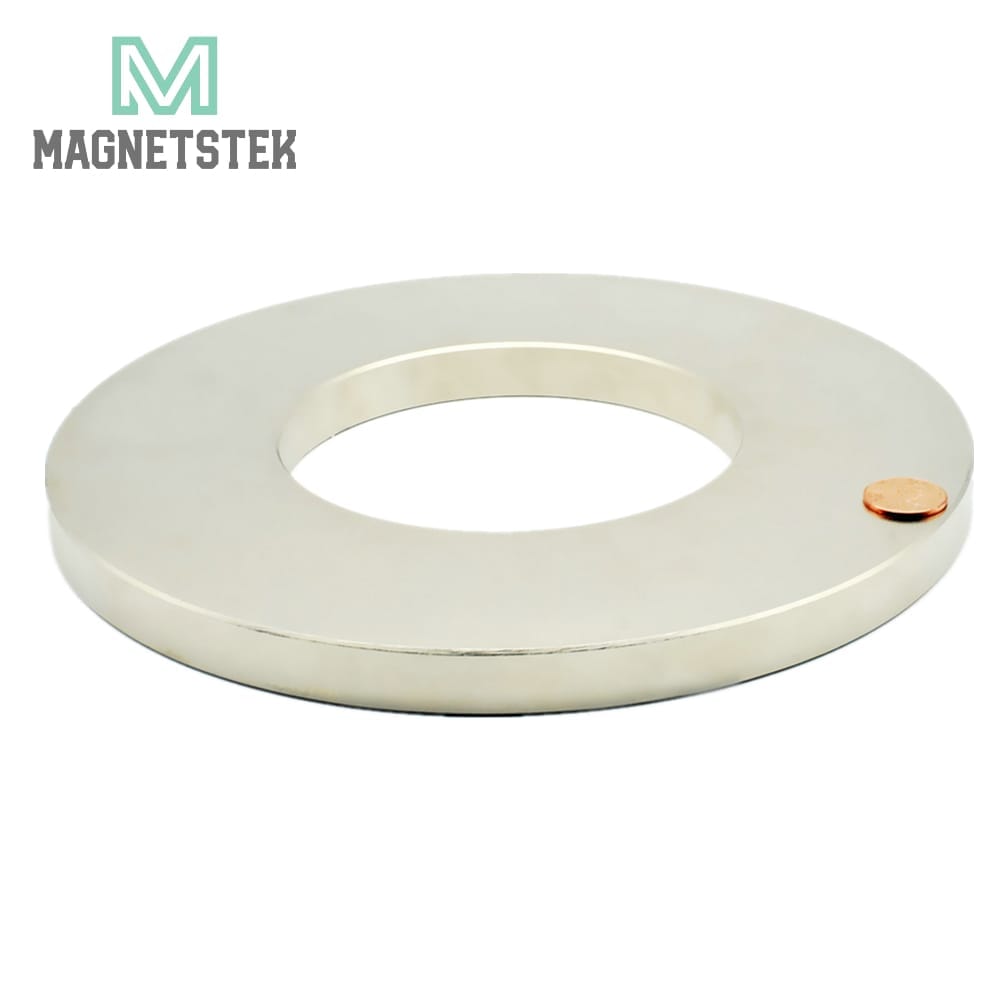
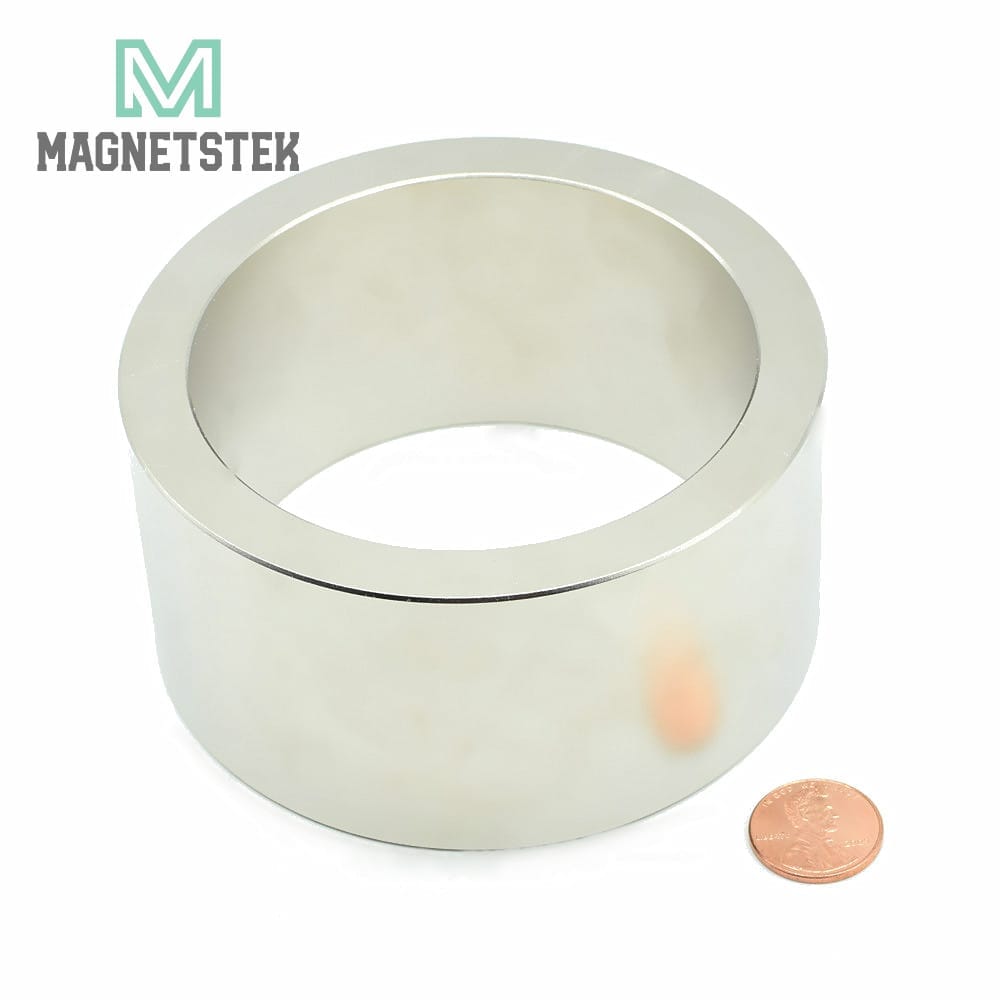
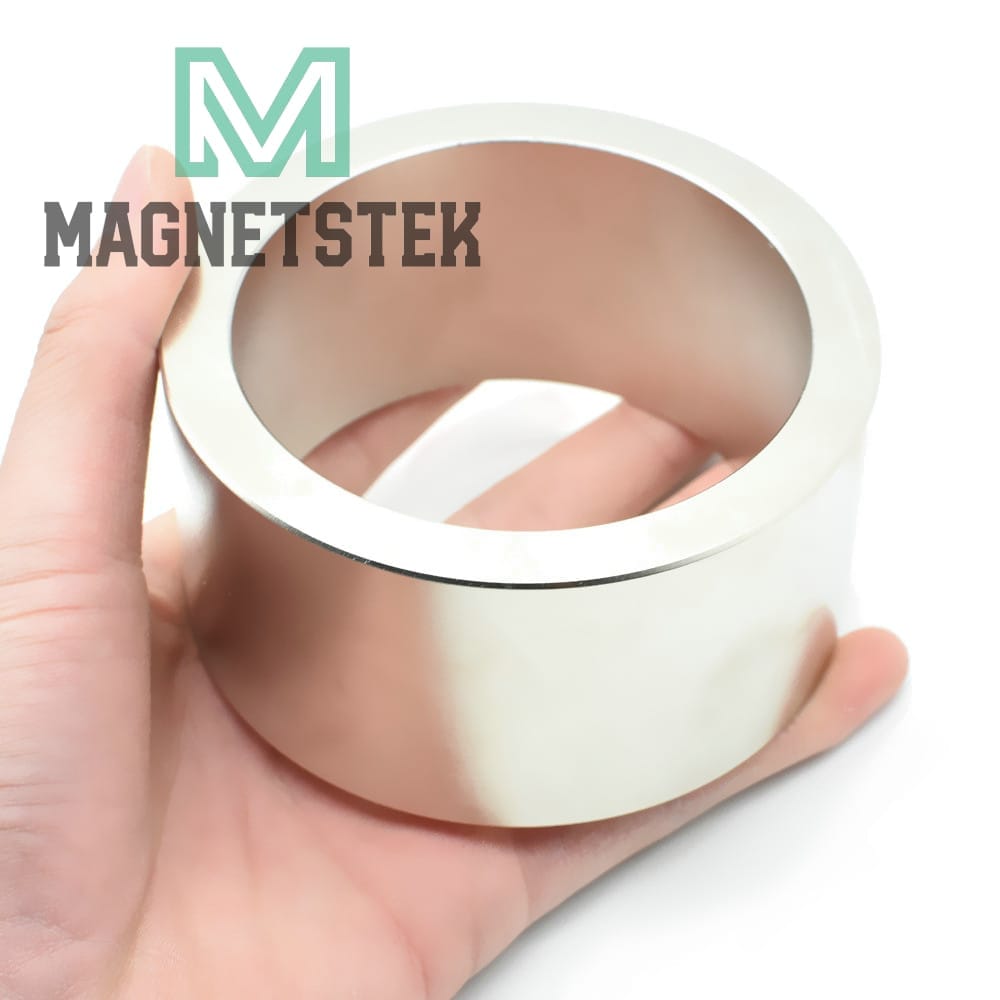
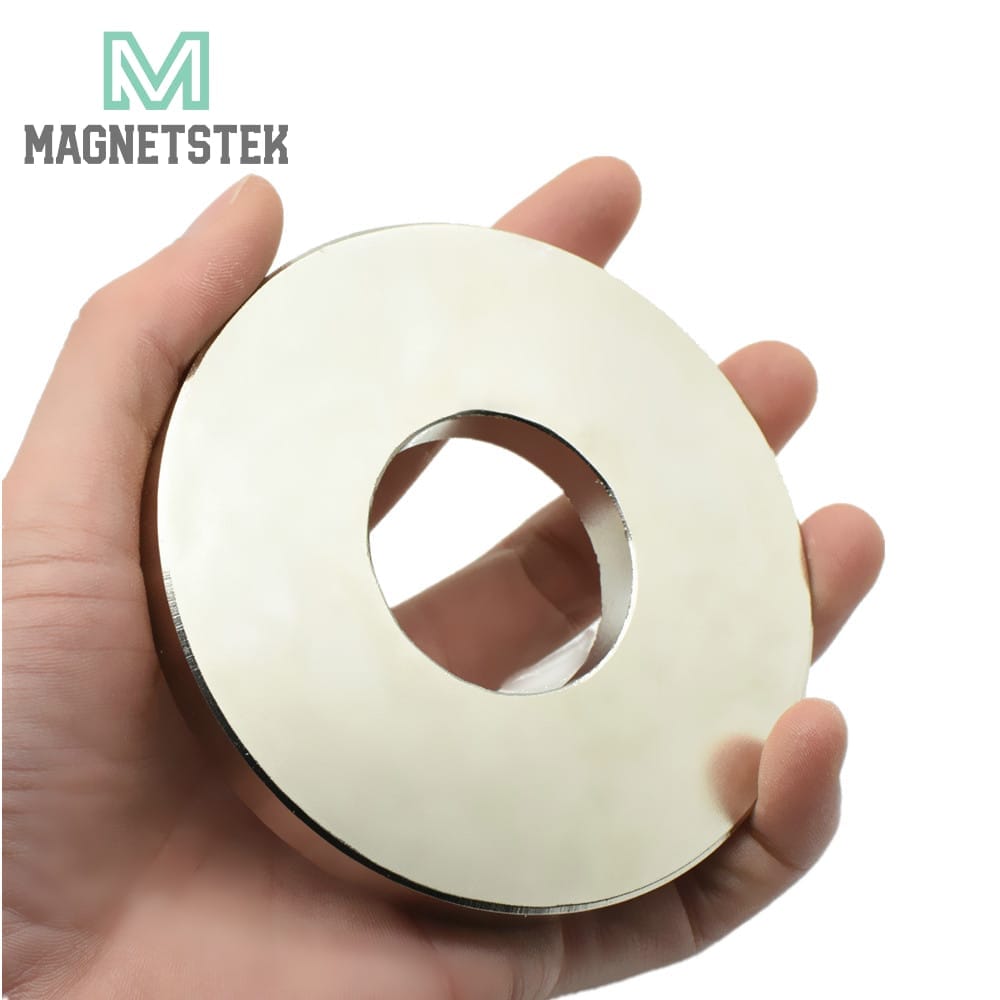
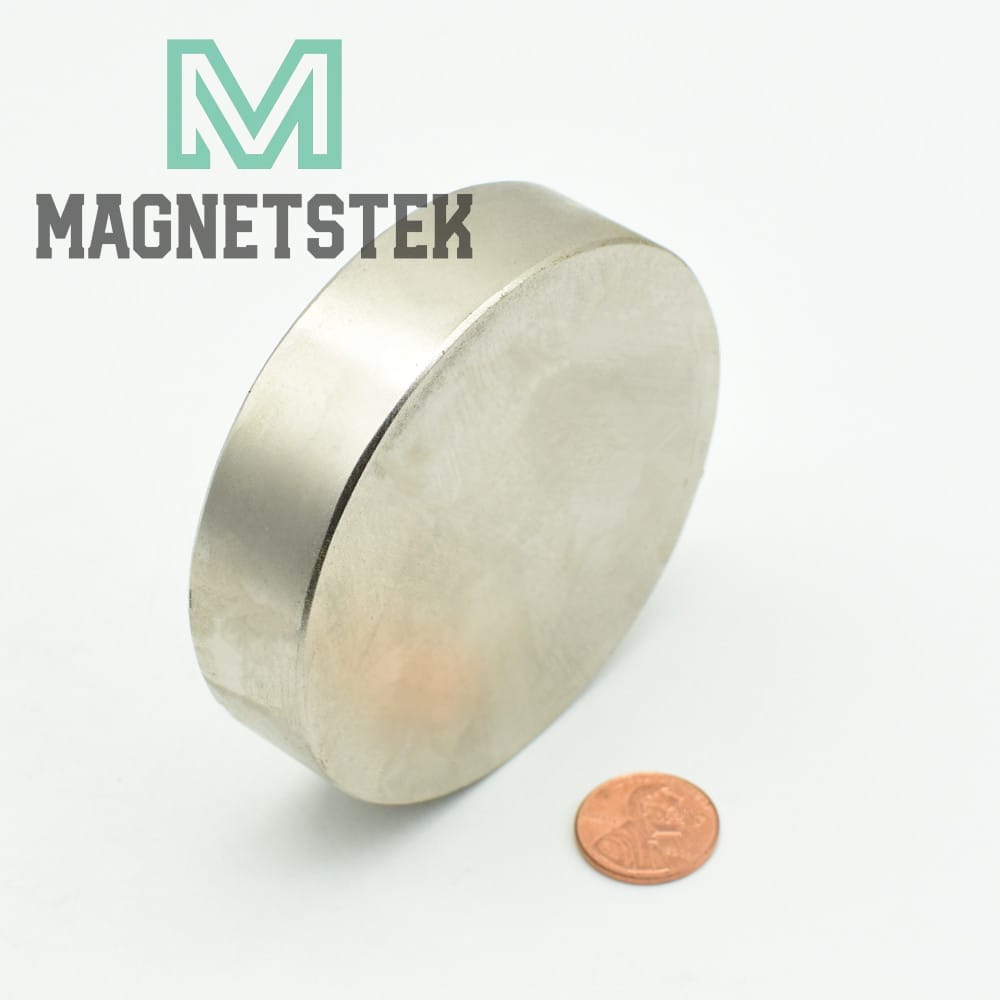
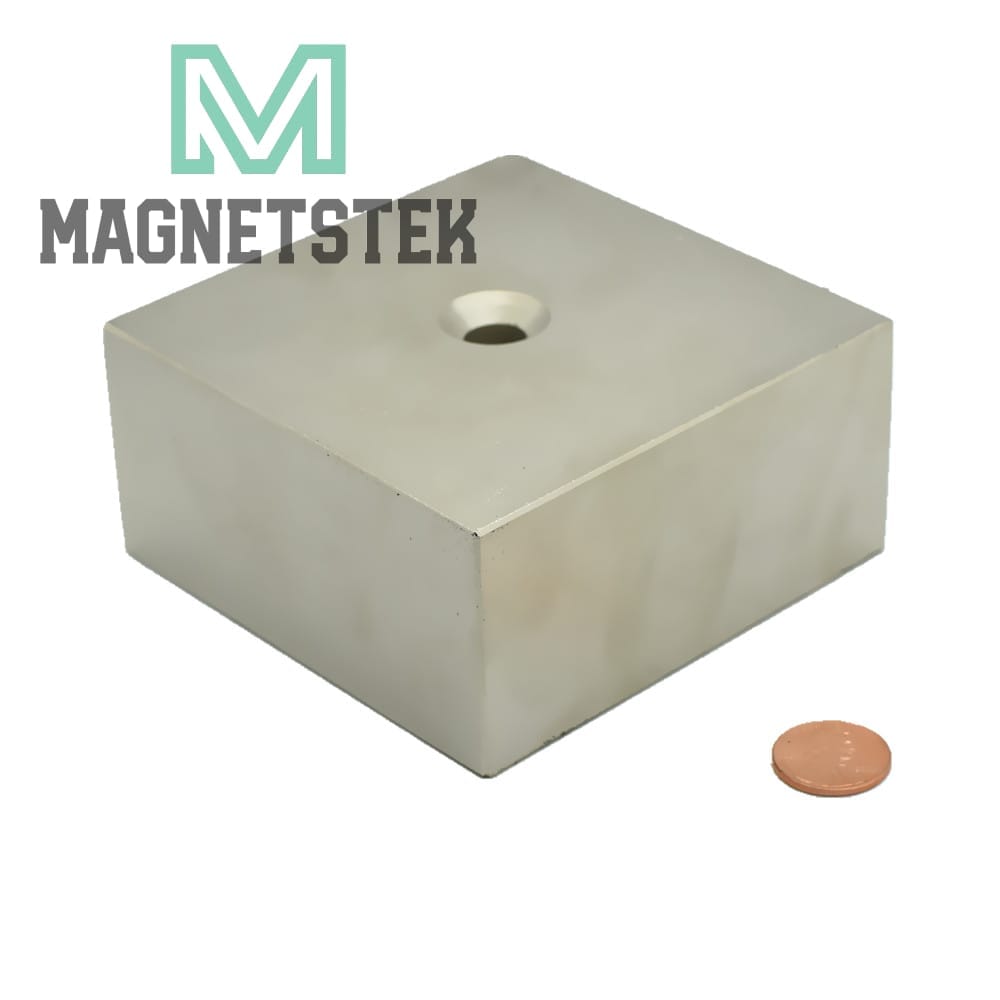

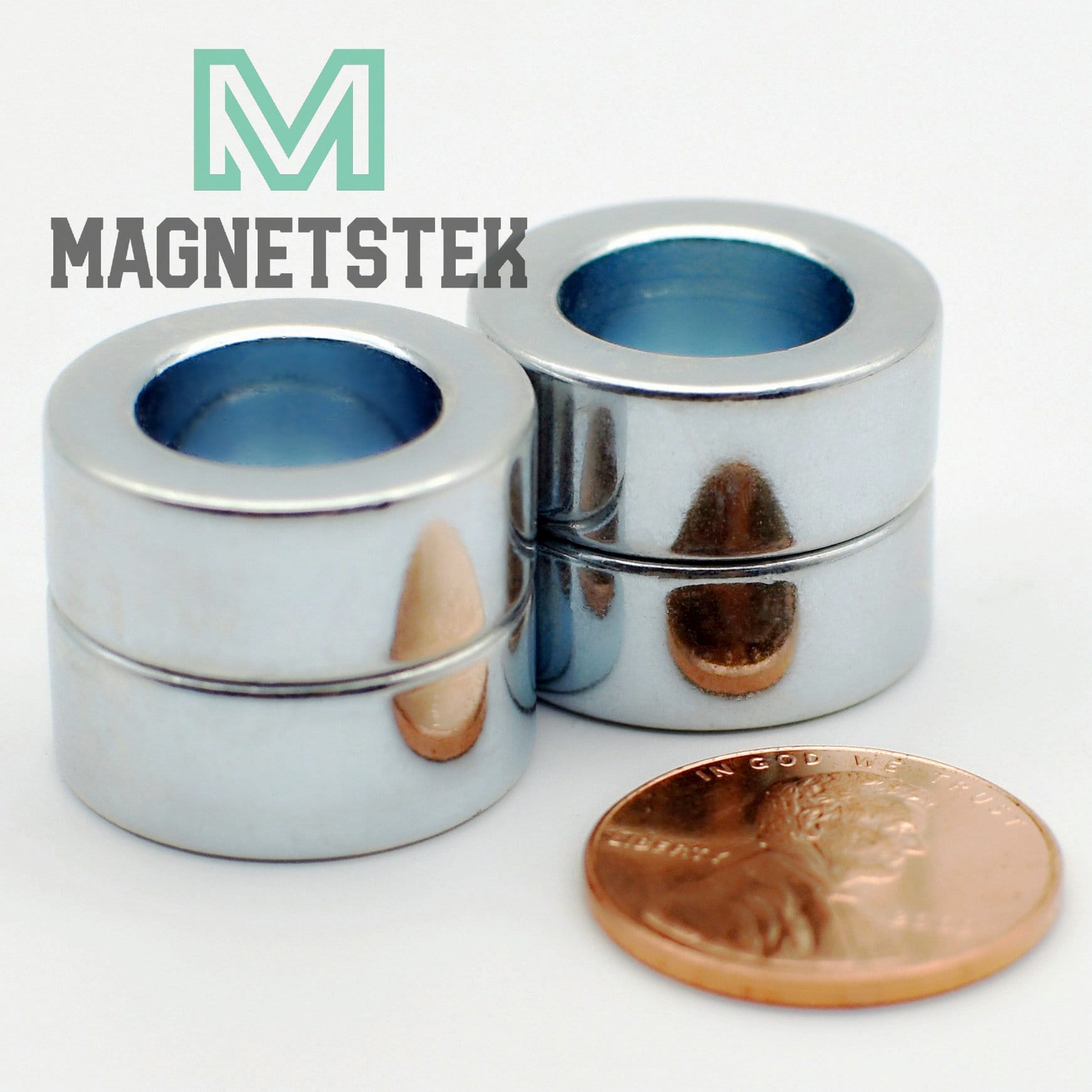
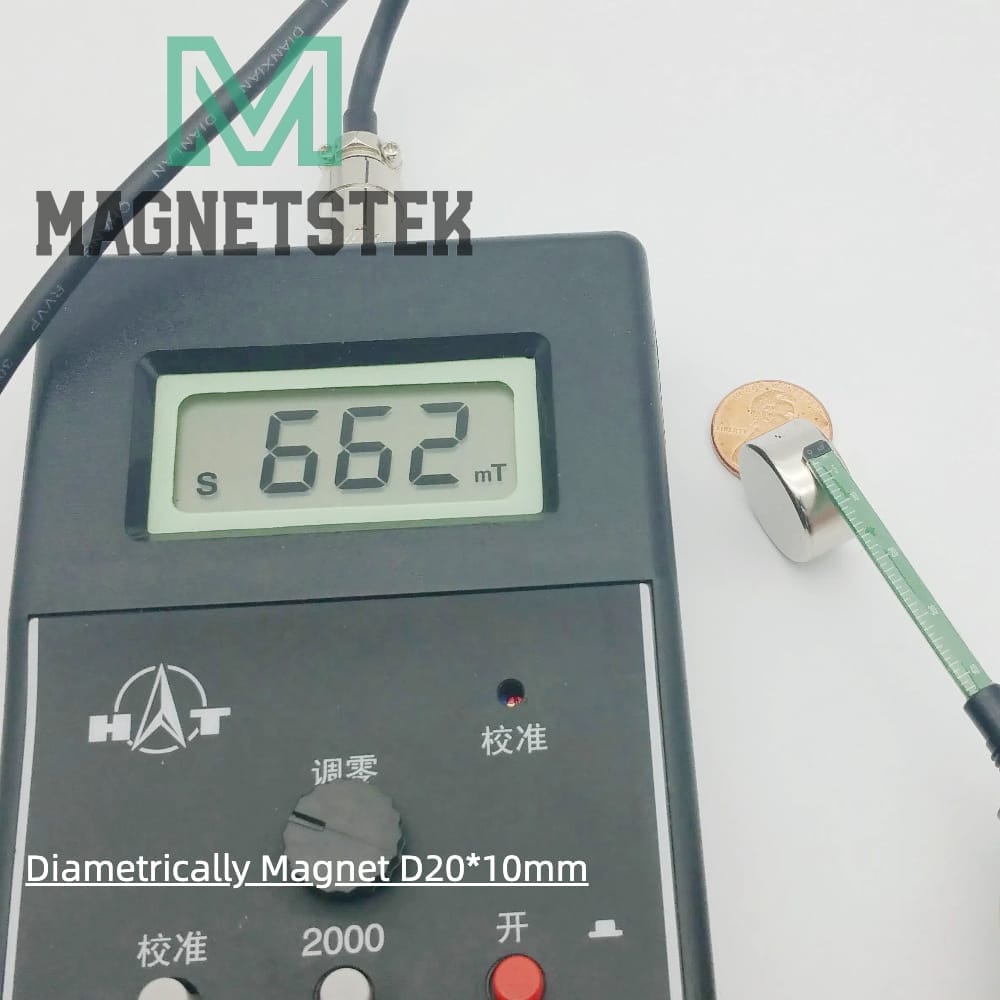
Custom neodymium magnets can be reviewed as discs, rings, blocks, arcs and other drawing-defined shapes. Size limits, edge features and magnetization feasibility depend on the geometry and grade. For especially small parts, see our micro magnet specification guide.
Send finished dimensions, tolerances, pole direction and operating conditions with your inquiry. Magnetstek can then confirm feasibility and the inspection plan for the specific design.

Magnetstek Engineering has been supplying Neodymium Magnets for over ten years. We offer Neodymium magnets with different coatings at highly competitive prices. From standard coating of NiCuNi (Nickel-Copper-Nickel) to gold coating, from zinc coating to black epoxy resin coating, Magnetstek is always your trustworthy partner.
Neodymium magnets are prone to oxidation when exposed to oxygen. They are commonly coated to prevent corrosion and improve durability. The coating also enhances the magnet’s appearance. Various coating options are available depending on the specific application and environmental conditions.
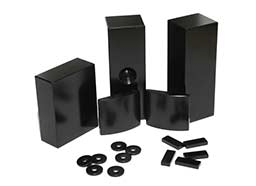
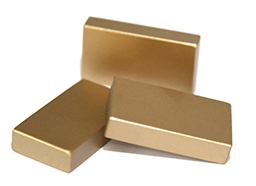
Neodymium magnets can be coated with different materials to protect them from corrosion and improve their durability.
Nickel (Ni-Cu-Ni): The most common coating is nickel (Ni-Cu-Ni), which involves a triple-layer coating of nickel, copper, and nickel. This coating provides excellent corrosion resistance and durability and gives the magnets a silver-like appearance.
Zinc (Zn): Another coating option is zinc (Zn), often used for cost-effective applications. However, zinc-coated magnets are more prone to corrosion than nickel-coated ones. Zinc-coated magnets generally appear dull gray or colorful.
Epoxy Resin: Neodymium magnets can also be coated with an epoxy resin, providing a layer of protection against corrosion and making them more resistant to chipping or breaking. Epoxy-coated magnets are often used in applications where they may be exposed to moisture.
Gold (Au): Gold coating provides excellent corrosion resistance and is often chosen for applications where aesthetics are essential. Gold-coated neodymium magnets have a distinctive gold appearance.
Black Epoxy: Besides clear epoxy coatings, neodymium magnets can be coated with black epoxy for a more discreet appearance. This coating also protects against corrosion.
Phosphating: Some neodymium magnets are coated with a phosphate layer to improve corrosion resistance. Phosphate coatings can be either black or gray.
| Plating Type | Overall Thickness | Salt Spray Test | Pressure Cooker Test |
|---|---|---|---|
| NiCuNi (Nickel Copper Nickel) | 15-21 μm | 24 hours | 48 hours |
| NiCu + Black Nickel | 15-21 μm | 24 hours | 48 hours |
| NiCuNi + Epoxy | 20-28 μm | 48 hours | 72 hours |
| NiCuNi + Gold | 16-23 μm | 36 hours | 72 hours |
| NiCuNi + Silver | 16-23 μm | 24 hours | 48 hours |
| Zinc | 7-15 μm | 12 hours | 24 hours |
| Everlube/Lowewe | 8-15 μm | 72-500+ hours | 96 hours |
When choosing a coating for neodymium magnets, it’s crucial to consider the operating environment, potential exposure to moisture, temperature conditions, and the specific requirements of the application. The coating protects the magnet and optimizes its performance in its intended setting.
Choose the coating for the finished magnet’s service environment and dimensional limits. Nickel-copper-nickel, zinc and epoxy are coating systems to discuss; suitability and available thickness are confirmed for each design.
Include humidity, chemicals, cleaning, handling wear and any coating inspection requirements in the RFQ. A coating should be assessed as part of the complete assembly.
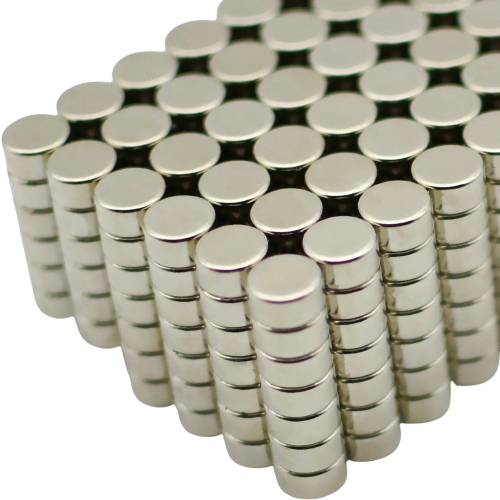
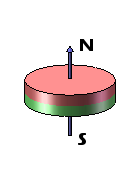
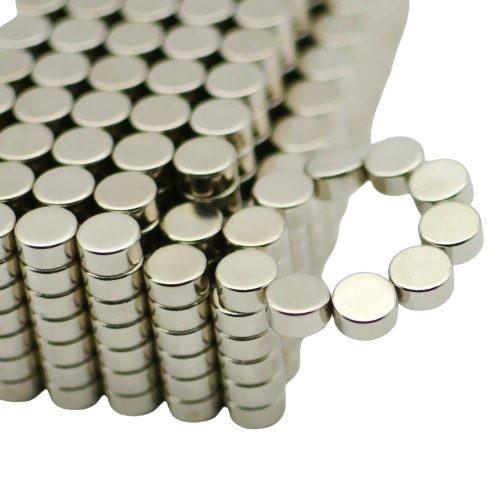
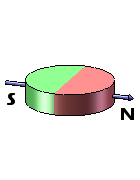
The magnetization direction sets the orientation of the field and should be marked on the finished-part drawing. It affects the field available at the working position. Include the operating gap and any field or pull-force test method when requesting a quote.
Common magnetization directions for rare earth magnets include:
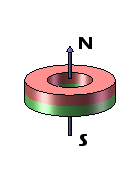
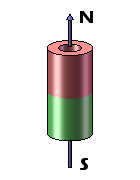
Discs & Cylinders
Disc and cylinder magnets can be specified with axial or diametric magnetization, subject to geometry and tooling review.
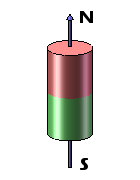
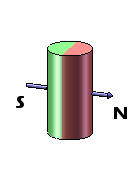
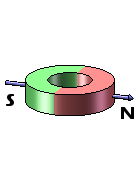
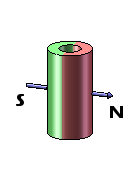
Rings&Tubes
Rings and tubes like discs and cylinders can be axially or diametrically magnetized.
Blocks&Cubes
Block magnets are characterized by their three dimensions: length, width, and thickness. We are occasionally asked if we can provide magnetized block magnets through their length or width. The answer is yes; some long “bar” magnets are magnetized in their longest dimension.
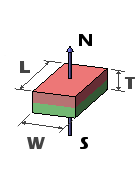
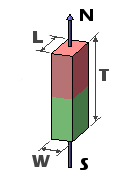
Arc Segments
Arc segments have usually been magnetized in pairs, SN-NS. So that they can be assembled to one ring on a rotor, there are two other possible magnetization directions.
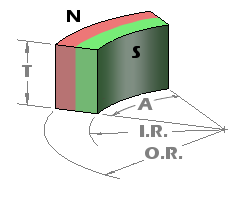
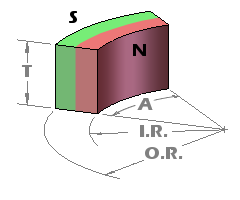
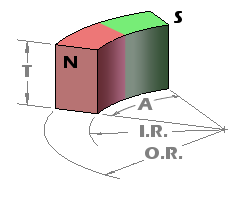
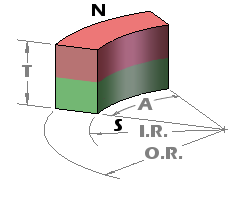
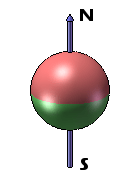
Special Magnetization
For spherical magnets, show the intended pole axis in the assembly. For mounting assemblies, show which face needs the working field and any required pole pattern. Magnetization feasibility is confirmed against the specific geometry and fixture.
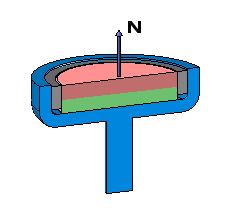
Multi-Pole Magnetization
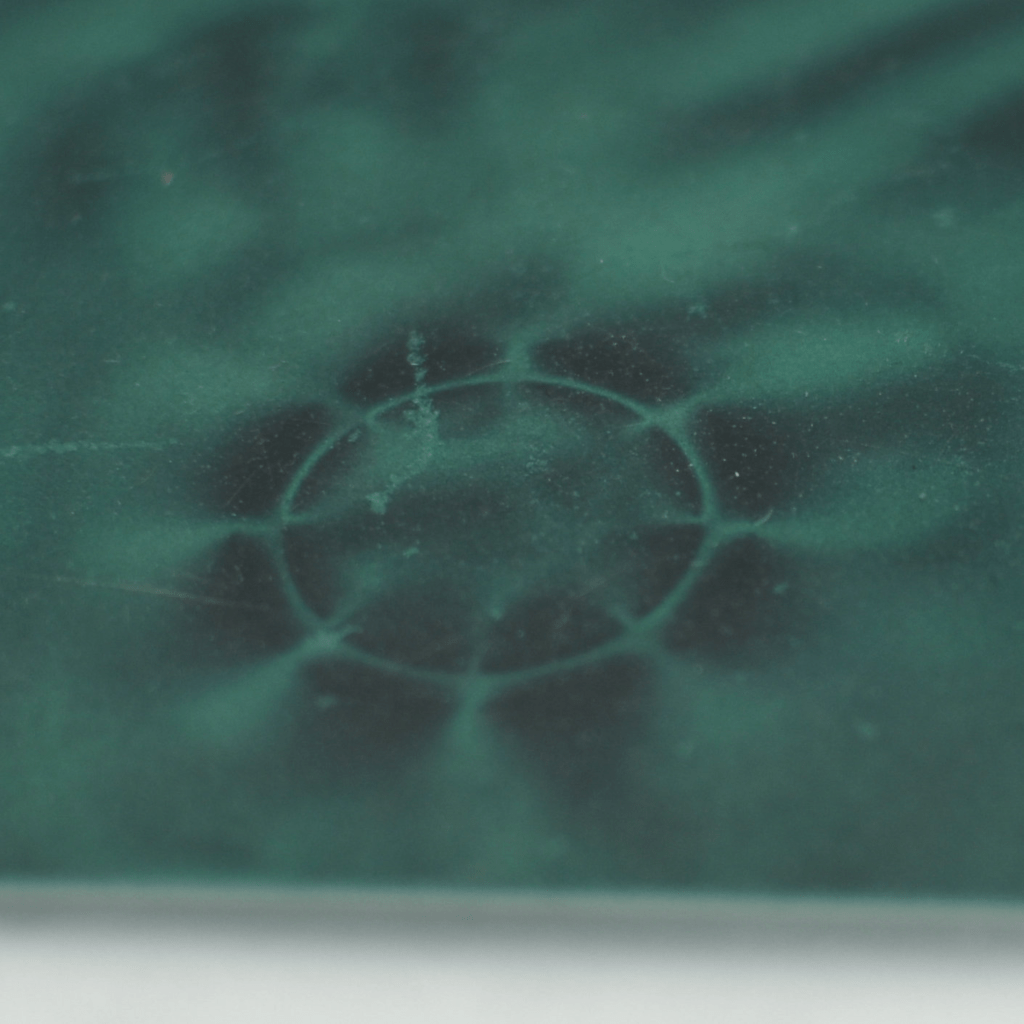
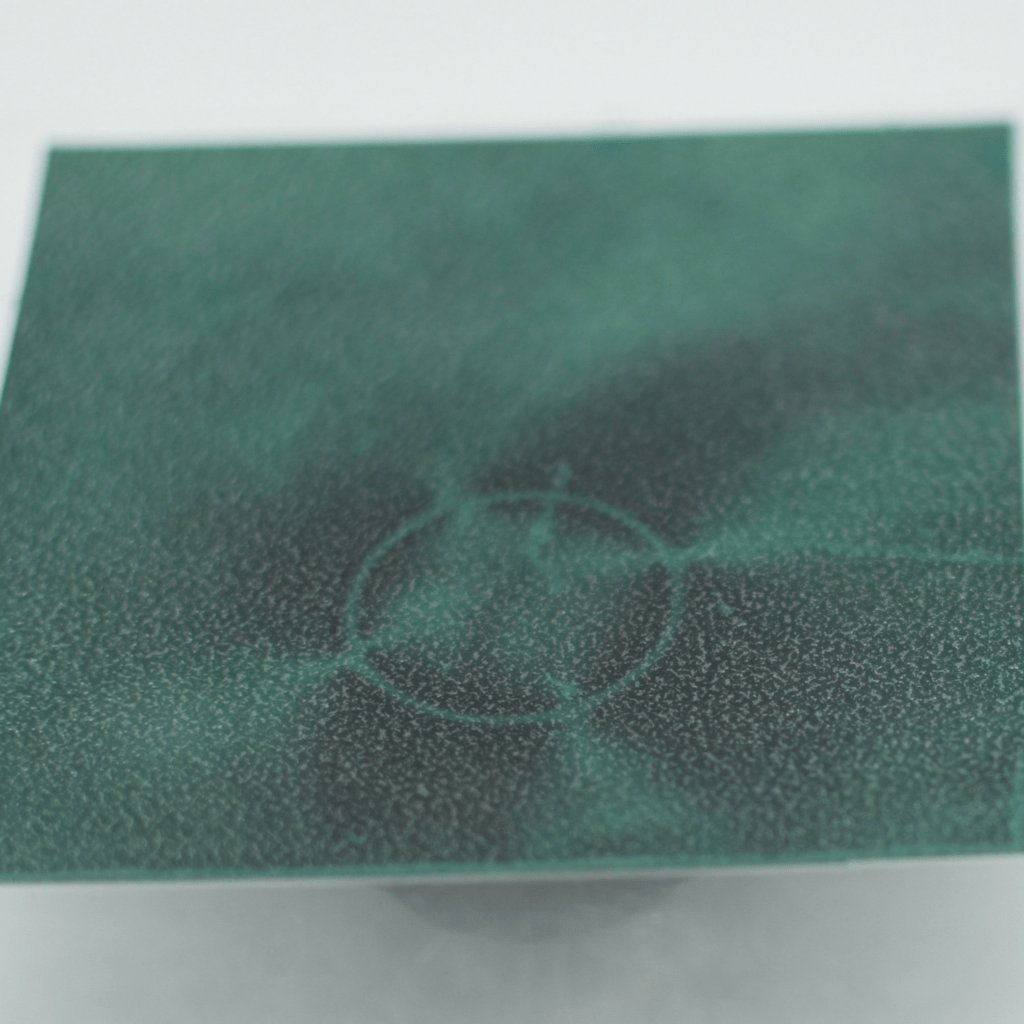
Multi-pole magnetization places alternating poles around or across a part. State the pole count, pitch, layout and required field at the working position. Feasibility depends on the material, dimensions and magnetizing fixture.
Radial Magnetization
A ring shape alone does not specify radial magnetization. Show the required field direction, whether the useful field is inside or outside the ring, and any pole pattern on the drawing. The geometry and tooling should be reviewed before quotation.
Show the intended pole faces or magnetization axis on the finished-part drawing. Axial, diametric and other pole patterns produce different fields at the working position; feasibility depends on the part geometry and tooling.
If you specify field or pull force, include the working gap, mating parts and test method. The magnetization direction can then be reviewed for the specific design.
Temperature significantly impacts the performance of neodymium magnets (NdFeB magnets). Understanding the effects of temperature is crucial for their proper application and longevity. Here are the critical temperature-related considerations for NdFeB magnets:
| MAGNET TYPE SUFFIX | Rev.Temp.Coef. of Induction (Br), a, %/°C (20-100°C) | Rev.Temp.Coef. of Coercivity (Hci), b, %/°C (20-100°C) | Max. Working Temperature |
|---|---|---|---|
| (based on High working point) | |||
| -0.12 | -0.6 | 80 ºC = 176 ºF * | |
| M | -0.12 | -0.58 | 100ºC = 212 ºF |
| H | -0.11 | -0.58 | 120ºC = 248 ºF |
| SH | -0.1 | -0.55 | 150 ºC = 302 ºF |
| UH | -0.09 | -0.52 | 180 ºC = 356 ºF |
| EH | -0.085 | -0.5 | 200 ºC = 392 ºF |
| VH / AH | -0.08 | -0.45 | 230 ºC = 446 ºF |
| * 60 ºC for N50 and N52 |
High temperature magnets, such as Al-Ni-Co, Ferrite, Sm-Co, and Neodymium Magnets, are designed to withstand elevated temperatures, making them ideal for high-temperature applications. These magnets exhibit impressive heat resistance, with specific grades capable of withstanding temperatures up to 650°C.
Neodymium Magnets, known for their exceptional strength, are available in various sizes and heat-resistant grades, offering a wide selection for high-temperature applications.
Samarium Cobalt Magnets, or SmCo magnets, are strong magnets that can work at even higher temperatures up to 500°C.
Ferrite Magnets, known for their cost-effective feature, are typical high temperature magnets.
Additionally, Alnico Magnets, composed of aluminum, nickel, cobalt, and other elements, are recognized for their superior heat resistance, boasting a working temperature of up to 650°C.
The unique properties of these high temperature magnets make them essential for demanding environments where conventional magnets would not be suitable.
NdFeB magnets have a specific temperature known as the Curie temperature (Tc), above which they start to lose their magnetic properties. The Curie temperature for NdFeB magnets is typically around 310 to 370 degrees Celsius (590 to 698 degrees Fahrenheit). Beyond this temperature, the material transitions to a paramagnetic state, diminishing its magnetic properties.
The magnetic properties of NdFeB magnets are influenced by temperature. The temperature coefficient of remanence (α) and the temperature coefficient of coercivity (β) describe how the remanence (Br) and coercivity (Hc) change with temperature, respectively. Generally, these coefficients are negative, meaning that as the temperature increases, the magnetic properties decrease.
Exposure to temperatures above or close to the Curie temperature can result in demagnetization. If NdFeB magnets are subjected to high temperatures without proper design considerations, they may permanently lose some or all of their magnetization.
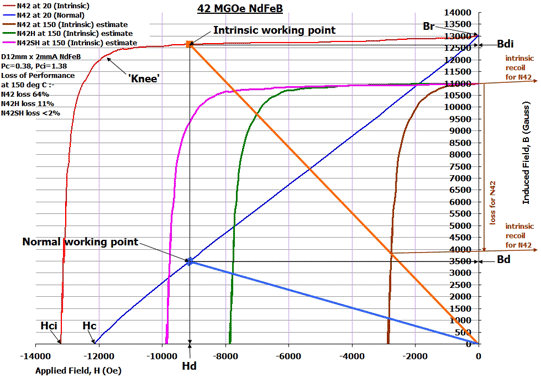
NdFeB magnets are affected by high temperatures and can also experience thermal demagnetization when subjected to thermal cycling. Repeated exposure to temperature variations can lead to a gradual loss of magnetic strength over time.
Choosing NdFeB magnet grade is critical for applications with specific temperature requirements. Higher-grade magnets may have better temperature stability but could be more expensive. It’s essential to select a grade that aligns with the temperature conditions of the application.
The choice of coating for NdFeB magnets is also important. Some coatings are more resistant to temperature-related degradation and corrosion. Coatings can provide an additional layer of protection against environmental factors.
In summary, it’s crucial to consider the temperature effects on NdFeB magnets when designing applications that involve exposure to different temperature ranges. Proper selection of magnet grade, design considerations, and environmental protection can help mitigate the impact of temperature on the performance and longevity of NdFeB magnets.
Temperature significantly impacts the performance of neodymium magnets (NdFeB magnets). Understanding the effects of temperature is crucial for their proper application and longevity.
The critical temperature-related considerations for NdFeB magnets are Curie Temperature, Temperature Coefficient of Remanence (Br), and Coercivity (Hc).
While strong rare earth magnets, such as NdFeB and SmCo magnets, are widely used for various applications due to their strong magnetic properties, it is essential to be aware of safety considerations when handling these magnets.
Here are some essential safety guidelines:

Rare earth magnets, such as neodymium and samarium cobalt magnets, are powerful, and if they come together suddenly, they can cause injuries. Be cautious of fingers or other body parts getting caught between attracting magnets.
With large magnets, severe injuries can be caused.

Rare earth magnets are not toys. Children should not be allowed to handle strong magnets. Choking small magnets or playing with large magnets are equally dangerous to children. If multiple magnets are swallowed, they can attach through intestine walls. This can cause a severe health risk, requiring immediate, emergency surgery if correctly diagnosed.

The strong magnetic fields near a neodymium or samarium cobalt magnet can affect pacemakers, ICDs, and other implanted medical devices. Therefore, you must take care to avoid inadvertently deactivating such devices.

Some people may have a nickel allergy, where an allergic reaction can cause redness and a skin rash. These people should avoid prolonged contact with nickel-coated magnets.

Strong magnets can interfere with electronic devices like credit cards, magnetic I.D. cards, VCRs, cassette tapes, floppy disks, and hard drives. Keep strong magnets away from these devices to prevent potential damage.

Magnetic fields can influence compasses or magnetometers used in air transport. They can also affect the internal compasses of smartphones and GPS devices. IATA (International Air Transport Association) and US Federal rules and regulations cover shipping magnets by air and ground delivery.

Rare earth magnets are made of hard and brittle material. They are not as durable as steel, even if they look like steel. Magnets can chip, peel, crack, or shatter if they are slammed together. Eye protection should be worn when handling magnets.
Rare earth magnets can not easily be re-machined.

Rare earth magnets, especially Neodymium magnets, can become demagnetized at high temperatures. You should know the magnet grade and the maximum operating temperature. A magnet should be stored and used below the maximum temperature.

Though most magnets are coated and protected, they are still not waterproof. In humid environments or even water, neodymium magnets can rust or corrode and lose magnetic strength.
*The icons used on this page are derivative works based on icons by Freepik from www.flaticon.com, licensed by CC BY 3.0.
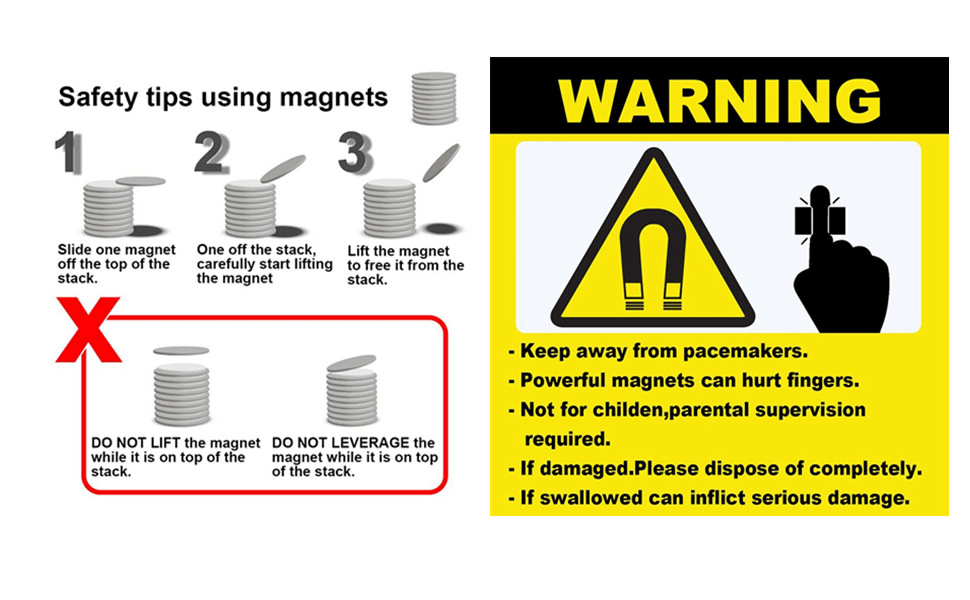
Handling Neodymium magnets with care is important, as they are brittle and can break easily. Additionally, precautions should be taken to avoid situations where the magnets could pose a danger, such as swallowing, as they can be hazardous if ingested.
Always keep away from pacemakers and children.

NdFeB magnets are widely used due to their exceptional magnetic properties. Their high strength and relatively low cost make them popular in various applications, from fridge magnets to magnetic levitation trains, magnet toys, and space crafts. Magnetstek Engineering, with over ten years of industrial experience, supplies quality NdFeB magnets to meet all applications.
Here are some typical applications of NdFeB magnets:
Electronics
NdFeB magnets are in numerous electronic devices, including headphones, speakers, microphones, and electric motors. Their high magnetic strength allows for compact and efficient designs in these applications.
Electric Motors and Generators
NdFeB magnets are widely used in electric motors and generators in automotive, aerospace, and renewable energy industries. Their strong magnetic field contributes to the efficiency and compactness of these devices.
MRI Machines
NdFeB magnets are widely used in electric motors and generators in automotive, aerospace, and renewable energy industries. Their strong magnetic field contributes to the efficiency and compactness of these devices.
Magnetic Separators
NdFeB magnets are used in magnetic separation equipment to separate ferrous and non-ferrous materials. This is common in recycling facilities and industries dealing with bulk materials.
Wind Turbines
NdFeB magnets are used in the generators of wind turbines. Their high strength allows for producing more powerful and efficient generators, contributing to the overall performance of wind energy systems.
Automotive Applications
NdFeB magnets are used in various automotive components, including electric power steering systems, windows, sensors, and door locks. Their compact size and strong magnetic field are advantageous in these applications.
Magnetic Couplings
In some mechanical systems, NdFeB magnets are used in magnetic couplings, transmitting torque without direct physical contact. This helps in sealing systems where preventing leaks is crucial.
Sensors and Switches
NdFeB magnets are utilized in various sensors and switches, including reed switches and hall effect sensors. Their magnetic sensitivity makes them suitable for detecting changes in magnetic fields.
Hard Disk Drives
NdFeB magnets are used in hard disk drives to control the movement of the actuator arm. Their magnetic solid force allows for precisely positioning the read/write head.
Consumer Electronics
NdFeB magnets are commonly found in a range of consumer electronics, including mobile phones, laptops, and electric appliances, contributing to the miniaturization and efficiency of these devices.
It’s important to note that while NdFeB magnets have numerous applications, considerations such as temperature stability, coating, and appropriate design are crucial to ensure optimal performance in specific environments.
| General Applications of Rare Earth Magnets | |||
|---|---|---|---|
| ABS systems | Generators, Wind Turbines | Magnetic Bearings | Motors, Rotors |
| Alternators | Halbach Arrays | Magnetic Clamps | MRI and NMR |
| Brakes | Headphones | Magnetic Levitation | Orthopedics |
| Computer Hard Drive, VCM | Healthcare | Magnetic Pump Couplings | Relays |
| Dentures | Jewelry | Magnetic Separators | Sensors |
| Door Latches | Lifting Apparatus | Magnetic Suspension | Starter motors |
| Electro-acoustic pick-ups | Limpet Pot Magnets | Meters | Switches |
| Fans Eddy Current | Loudspeakers | Microphones | TWT (Transverse Wave Tube) |
NdFeB magnets can be used in motor and generator assemblies, sensors, encoders, speakers, actuators and magnetic holding devices. The part specification should reflect the field at the working position, operating temperature, corrosion exposure and inspection method.
For a custom part, send your drawing and application details through the inquiry form.
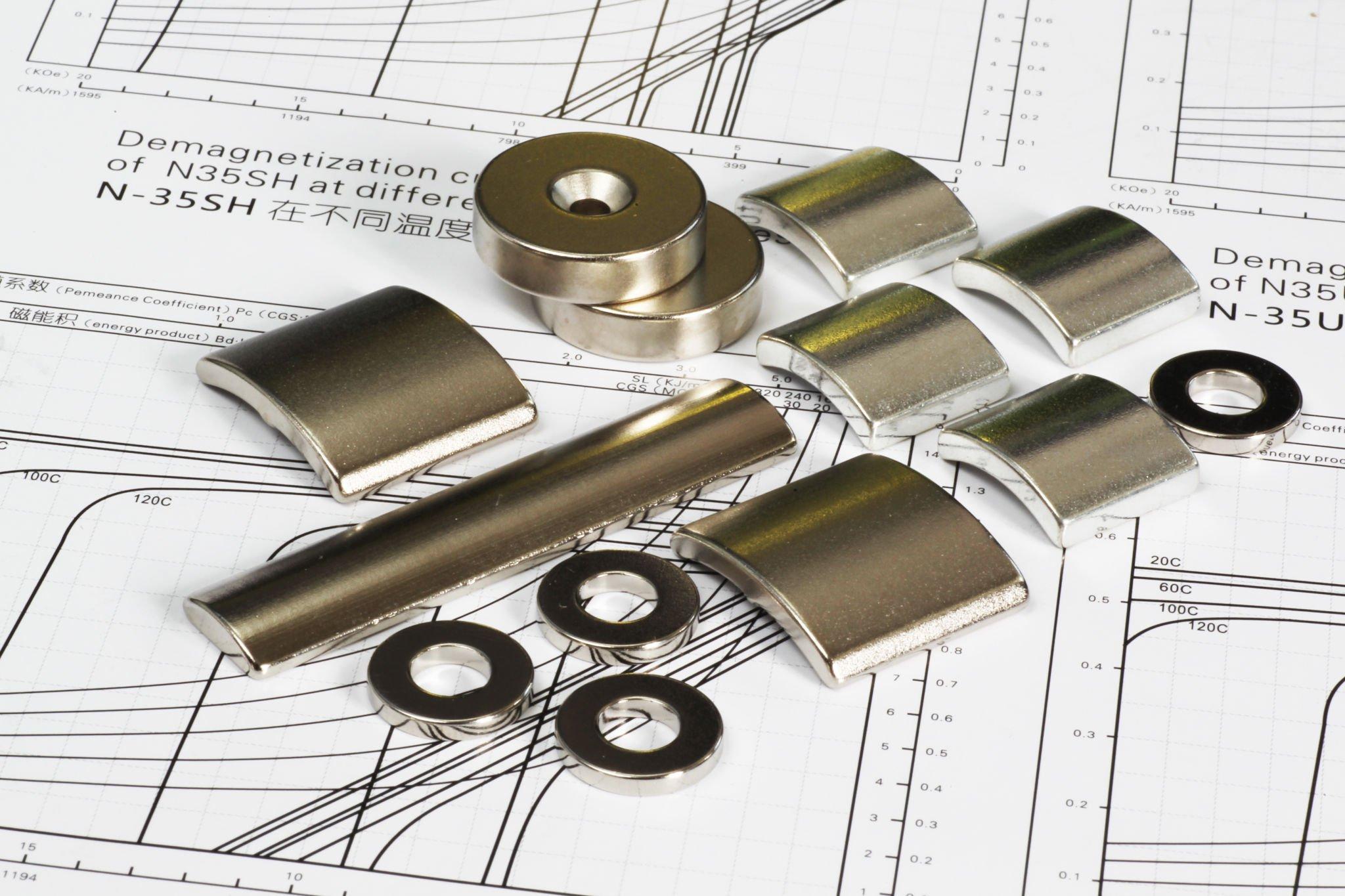
A custom NdFeB magnet is specified as a finished part, not only by material grade. Shape, thickness, coating and pole direction all affect the field at the working position. A drawing should identify the critical dimensions, tolerances and magnetization axis.
For a useful quote, include operating temperature, environment, target field or pull-force test method, expected quantity and any inspection requirements. If the magnet sits in an assembly, describe the working gap and nearby steel or other magnetic parts.
Magnetstek reviews feasibility and part-specific options before confirming price, minimum order and lead time. Send a drawing for review.
Sintered NdFeB offers a high energy product in a compact volume, but grade alone does not predict the field in an assembly. Thickness, working gap, nearby steel and operating temperature all affect the result. The finished geometry and magnetic circuit should be checked together.
NdFeB is brittle and can corrode if its protective coating is damaged or unsuitable for the environment. Temperature capability also depends on the selected grade, shape and operating point. Include environmental exposure, temperature range and the required test method in the RFQ.
Sintered NdFeB is an alloy based on neodymium, iron and boron. Magnetic properties depend on the specific grade and producer. Use the proposed material datasheet, including remanence and intrinsic coercivity, when setting acceptance criteria. Our N52 guide explains why the grade label alone is insufficient.
Surface protection matters when the finished part is exposed to humidity, chemicals or handling damage. Nickel, zinc and epoxy are coating systems to discuss; suitability and available thickness should be confirmed for the application and final dimensions. Chips or scratches can compromise a coating. Specify the environment and any coating inspection requirements on the drawing.

Custom NdFeB magnets are used in assemblies where the field must fit a limited space. The drawing and test conditions matter more than an application label.
Specify arc geometry, pole direction, operating temperature, coating and the interface with the rotor or stator. Check the grade in the complete magnetic circuit.
State the required field at the sensor, working gap, pole count and orientation. Include positional and dimensional tolerances that affect the assembled field.
Share the mating steel parts and air gap, along with the target force or field and the test method.
Pull force depends on the steel surface, thickness and gap. State the test setup and environmental exposure when requesting a quote.
Start with the required field or force at the working position. A grade number alone does not define the result in an assembly.
Use our drawing and RFQ checklist to prepare these details.
Proper handling and storage of neodymium magnets are crucial to maintain their strength and integrity, as well as to ensure safety due to their powerful magnetic properties. Here are some guidelines to help you manage neodymium magnets effectively:
Use Protective Gloves: Always wear protective gloves when handling larger magnets to avoid pinching your fingers between magnets or between a magnet and a metal surface.
Avoid Impact: Neodymium magnets are brittle and can crack or chip if they snap together or slam against a hard surface. Handle them gently to prevent collisions.
Keep Away from Electronics: The strong magnetic fields of neodymium magnets can damage electronic devices and magnetic media. Keep magnets away from computers, smartphones, credit cards, watches, and other sensitive equipment.
Secure During Transport: When transporting larger magnets, secure them firmly to prevent movement. The magnetic force can cause them to shift abruptly, which could be dangerous.
Use Spacers: If storing multiple magnets together, place a non-magnetic spacer between them to prevent them from snapping together and causing injury or damage.
Controlled Environment: Store magnets in a dry, mild temperature environment to prevent corrosion. High humidity and extreme temperatures can degrade the magnet’s protective coating, leading to corrosion.
Separate and Shielded Storage: Store strong magnets separately or in a way that their magnetic fields do not interfere with each other. For extremely powerful magnets, consider using steel sheeting or other magnetic shields to contain the magnetic field.
Avoid Mechanical Stress: Do not stack heavy objects on top of neodymium magnets. The mechanical stress can alter the magnet’s properties or cause physical damage.
Label Storage Areas: Clearly label the storage areas for magnets to warn people who might not be familiar with the strength of neodymium magnets about the potential hazards.
Pacemakers and Medical Devices: Keep neodymium magnets away from individuals with pacemakers or other medical devices. Magnets can interfere with the operation of such devices.
Children’s Safety: Keep neodymium magnets out of reach of children. Small magnets can pose a serious choking hazard, and if ingested, they can cause significant internal injury.
Eye Protection: Wear safety goggles when handling large magnets to protect your eyes from potential shrapnel if a magnet chips or shatters.
By following these guidelines for handling and storing neodymium magnets, you can prevent injuries, protect your equipment, and extend the life of the magnets.
Use the finished-part drawing to define what the magnet must do. The following choices are reviewed together because a change to one can affect the others.
Discs, rings, blocks and arcs are common starting geometries. Include holes, chamfers, edge conditions and the dimensions that matter to assembly. Thin sections and tight tolerances need a feasibility review for the selected material and size.
Give a target field or force at a stated working gap and test setup. Grade, coercivity and demagnetization margin should be assessed for the actual geometry, temperature and magnetic circuit. A higher grade number is not automatically a better choice.
Describe humidity, chemicals, handling and any cleaning process. Nickel, zinc and epoxy are examples of coating systems to discuss; suitability and availability are confirmed for the individual part. A coating does not make every NdFeB magnet corrosion-proof.
Show the required pole faces or axis on the drawing. Axial, diametric and other patterns have different tooling and geometry constraints, so magnetization feasibility is confirmed before quotation.
State continuous and peak temperatures, the expected duration, and the inspection method for dimensions, coating and magnetic output. The quoted specification should identify the agreed acceptance criteria.
If the magnet fits a rotor, sensor, speaker or holding assembly, include the mating parts and working gap. Send the drawing and application details for a part-specific review. ISO 9001 refers to the quality management system, not certification of an individual magnet design.
Use an assembly-level measurement to confirm that the finished magnet meets the design need. Record the fixture, working gap, temperature and acceptance range so prototypes and later parts are compared in the same way.
See the first article inspection checklist for a practical review sequence.
Several assumptions can lead to a poor custom NdFeB specification. Check these points while the drawing and test method are still open for review.
A grade number describes the material, not the field in your assembly. The finished thickness, working gap, nearby steel and operating temperature change the result. Specify the field or force you need at a stated position, then review the proposed grade’s datasheet and demagnetization curve.
Nickel, zinc and epoxy are different coating systems. Selection depends on moisture, chemicals, handling and finished dimensions. State the exposure and any coating inspection requirement on the drawing; the coating and housing should be reviewed together.
A pull-force figure needs a test setup. Steel thickness and condition, contact area, working gap and pull direction can change the measured force. Include the mating parts and acceptance method when force matters to the design.
Show the pole faces, axis or pole pattern on the drawing. Axial, diametric and multi-pole designs can need different fixtures. The magnetization plan should be checked with the finished geometry before quotation.
Sintered NdFeB is brittle. Include holes, slots, chamfers and critical tolerances in the original drawing so machining and inspection can be assessed before production. Avoid treating a finished, magnetized part as a blank for routine shop-floor rework.
Use the drawing and RFQ checklist to prepare these details, or send the drawing for a part-specific review.
To evaluate a custom NdFeB magnet, send the finished-part drawing or a dimensioned sketch, the required pole direction, operating temperature, environmental exposure and expected quantity. If performance is specified by field or pull force, include the working gap and test setup.
Magnetstek can review the design against available material, coating, magnetization and inspection options, then confirm feasibility, minimum order and lead time in a part-specific quotation. Send your RFQ and drawing.


Share your drawing, magnetic requirements and operating conditions. Magnetstek reviews grade, coating, magnetization and inspection options for each custom part.