

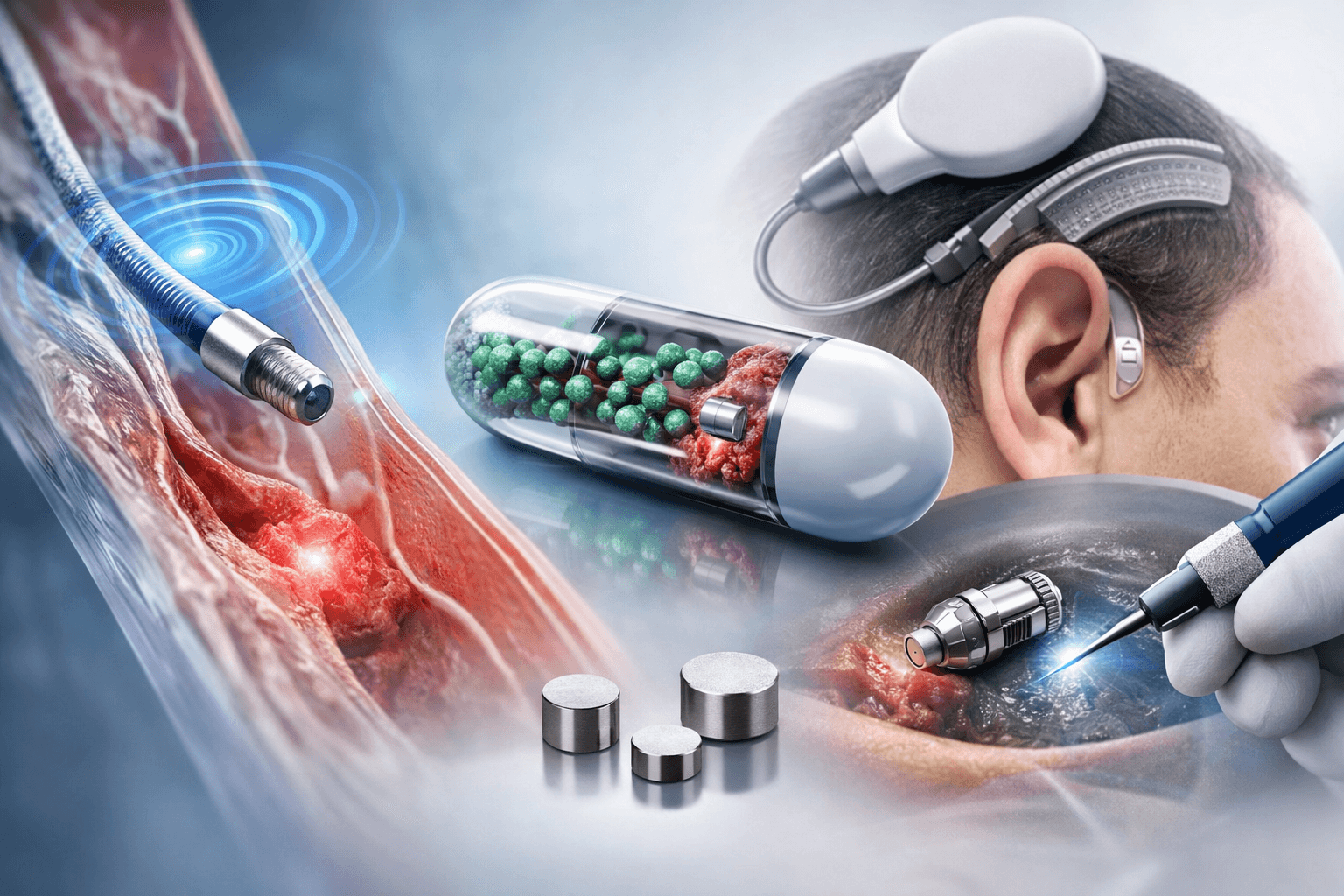
Micro magnets—also known as miniature or precision magnets—are playing an increasingly critical role in modern medical technology. As devices become smaller, smarter, and less invasive, the demand for high-performance magnetic components at the millimeter and even micron scale continues to grow. From catheter navigation to implantable systems, micro magnets enable new levels of precision, control, and functionality in minimally invasive procedures.
This article explores how micro magnets are transforming medical devices, the materials and design considerations involved, and why they are essential for next-generation healthcare technologies.
1. Why Micro Magnets Matter in Medical Devices
Minimally invasive medicine aims to reduce patient trauma, shorten recovery time, and improve surgical precision. Micro magnets contribute to these goals by enabling:
- Remote actuation and control
- Precise positioning inside the body
- Miniaturization of complex systems
- Reduced need for mechanical linkages
Unlike traditional mechanical components, magnetic systems can operate without direct contact, making them ideal for sterile, enclosed, or sensitive environments.
2. Key Applications of Micro Magnets in Healthcare
2.1 Magnetic Catheter Navigation


4
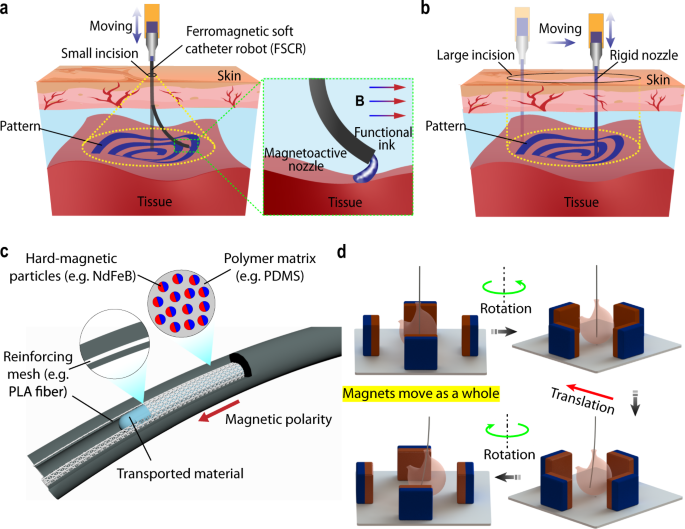
Micro magnets embedded in catheter tips allow physicians to steer devices through complex vascular pathways using external magnetic fields.
Benefits:
- Enhanced navigation precision in narrow vessels
- Reduced reliance on manual manipulation
- Lower risk of tissue damage
Typical Use Cases:
- Cardiac electrophysiology procedures
- Neurovascular interventions
- Targeted biopsy and diagnostics
2.2 Implantable Medical Devices

4
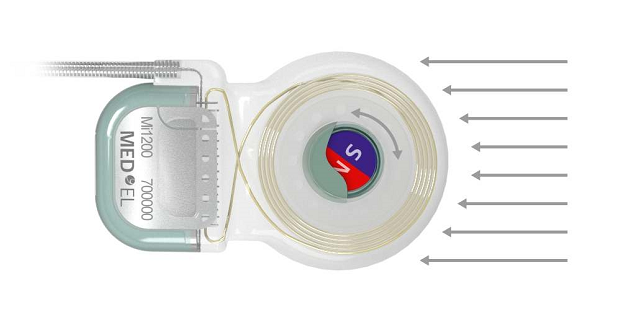
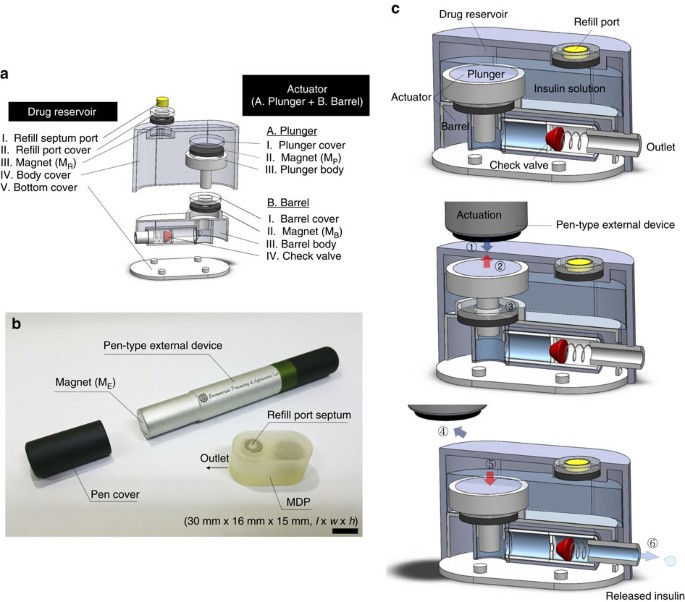
Micro magnets are widely used in implantable systems for positioning, coupling, and actuation.
Examples:
- Cochlear implants (magnetic alignment with external processors)
- Implantable drug delivery pumps
- Magnetically actuated valves and switches
Key Requirements:
- Biocompatibility
- Corrosion resistance
- Stable magnetic performance over time
2.3 Magnetic Drug Delivery Systems


4
Micro magnets enable targeted drug delivery, where therapeutic agents are guided to specific locations using magnetic fields.
Advantages:
- Higher drug concentration at target site
- Reduced systemic side effects
- Improved treatment efficiency
This approach is especially promising in:
- Oncology (tumor targeting)
- Localized infections
- Regenerative medicine
2.4 Micro Robotics and Surgical Tools


4
Magnetically controlled micro robots are emerging as a breakthrough technology.
Applications:
- Capsule endoscopy navigation
- Targeted microsurgery
- Internal diagnostics
Micro magnets allow these devices to be:
- Wirelessly controlled
- Extremely compact
- Highly maneuverable
2.5 Sensors and Diagnostic Equipment
Micro magnets are also essential in:
- Magnetic sensors (Hall effect, reed switches)
- Position detection systems
- Flow measurement devices
Their small size enables integration into compact diagnostic tools and wearable medical devices.
3. Materials Used in Medical Micro Magnets
Selecting the right magnetic material is critical for performance and safety.
| Material | Key Advantages | Limitations | Typical Medical Use |
|---|---|---|---|
| NdFeB (Neodymium) | Highest magnetic strength | Corrosion-sensitive | Catheters, sensors |
| SmCo (Samarium Cobalt) | High temperature & corrosion resistance | Higher cost | Implantable devices |
| Ferrite | Low cost, stable | Lower magnetic strength | Basic sensors |
Coating Options:
- NiCuNi – Standard industrial coating
- Gold (Au) – Biocompatible, corrosion-resistant
- Parylene – उत्कृष्ट for implantable use
- Epoxy – Chemical protection
4. Design Challenges in Micro Magnet Integration
Designing micro magnets for medical devices involves several engineering challenges:
4.1 Size and Tolerance
- Typical sizes: <5 mm, often <1 mm
- Tight tolerances required for precision applications
4.2 Magnetization Direction
- Axial
- Radial
- Multi-pole or custom patterns
👉 Correct magnetization is critical for device performance, especially in navigation and actuation systems.
4.3 Biocompatibility and Safety
- Materials must meet medical standards
- Coatings must prevent ion leakage
- MRI compatibility must be considered
4.4 Assembly Complexity
- Handling ultra-small magnets is difficult
- Requires automated or precision assembly processes
5. Advantages of Micro Magnets in Minimally Invasive Technologies
Micro magnets enable:
✔ Non-contact actuation
✔ High force in small volumes
✔ Precise control in confined spaces
✔ Integration into complex systems
These benefits make them ideal for:
- Next-generation surgical tools
- Smart implants
- Advanced diagnostic systems
6. Future Trends
The role of micro magnets in medical devices is expected to expand rapidly with advancements in:
- Micro robotics and AI-assisted surgery
- Smart implants with wireless control
- Magnetically guided therapies
- Wearable and implantable sensors
As devices continue to shrink, the demand for custom micro magnet solutions with precise specifications will grow significantly.
7. Conclusion
Micro magnets are at the heart of innovation in minimally invasive medical technologies. Their ability to deliver strong magnetic performance in extremely small sizes enables breakthroughs in navigation, actuation, and targeted therapy.
For engineers and medical device manufacturers, selecting the right material, coating, and magnetization configuration is essential to achieving optimal performance and reliability.
8. You May Also Want to Know
1. How small can a micro magnet be?
Micro magnets can be as small as hundreds of microns, depending on material and manufacturing capability.
2. Are micro magnets safe for implantable devices?
Yes, when properly coated (e.g., gold or Parylene) and designed for biocompatibility.
3. Which magnet is best for medical use?
SmCo is often preferred for implants due to corrosion resistance, while NdFeB is used when higher strength is required.
4. Can micro magnets be customized?
Yes, including size, shape, coating, and magnetization direction.
5. Do micro magnets interfere with MRI?
They can, so MRI compatibility must be carefully evaluated during design.
6. What coatings are used for medical magnets?
Gold, Parylene, and epoxy are commonly used for protection and biocompatibility.
7. How are micro magnets assembled into devices?
Using precision automation, adhesives, or micro-mechanical fixtures.
8. What industries use medical micro magnets?
Medical devices, biotechnology, robotics, and advanced diagnostics.
9. How long do micro magnets last in the body?
With proper coating, they can remain stable for many years.
10. Can magnets be used for targeted drug delivery?
Yes, magnetic guidance is an active area of research and development.